|
Getting your Trinity Audio player ready...
|
US Pauses Global Immigrant Visa Applications Amid H-1B Fee Hike and Tech Hiring Fallout
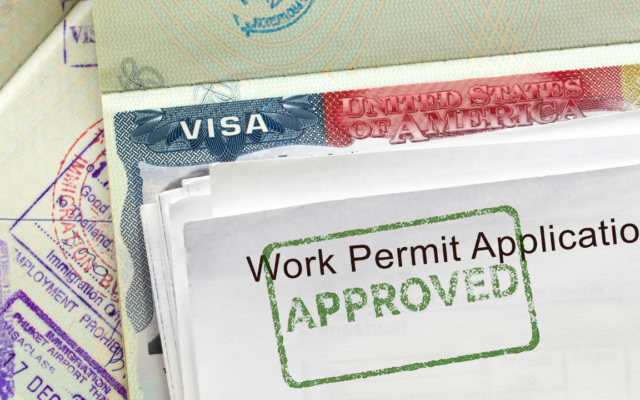
Tech employers scrambling to sponsor overseas engineers just got hit with a second blow in the same week. The State Department has paused immigrant visa appointments at American embassies and consulates worldwide, telling applicants their interviews are being rescheduled while consular officers complete what officials are calling an “in-depth training” program. The freeze, which began quietly in early August and became public this week, lands squarely in the middle of a broader immigration crackdown that has already rattled Silicon Valley’s hiring pipeline.
A State Department spokesperson said the training initiative is meant to make sure consular officers can consistently evaluate whether a visa applicant is likely to become a “public charge,” meaning someone who could end up dependent on US government assistance. That standard has existed in immigration law for decades, but the administration has leaned on it aggressively this year as a screening tool. The pause applies to immigrant visas, the category that leads to a green card and permanent residency, rather than the shorter-term work visas that most tech companies use to bring in talent. Still, for engineers, researchers and their families who had already booked flights and paid fees for long-awaited interview slots, the timing could not be worse.
The freeze follows a court decision that struck down an earlier, narrower version of this same approach. A federal judge in Manhattan ruled last week that a January policy blocking immigrant visa issuance to nationals of 75 mostly lower-income countries was unlawful, calling it “patently unlawful” because it ordered blanket denials without the individualized review that federal law requires. Rather than abandon the underlying goal, the administration appears to have pivoted to a worldwide pause dressed up as a training exercise, one that achieves a similar practical effect without singling out specific nationalities by name.
Immigration attorneys say the fallout is already visible. Applicants who spent thousands of dollars preparing for interviews, gathering documents, and in many cases relocating temporarily to attend them, have had appointments canceled with little notice and no firm date for rescheduling. The State Department has not said how long the pause will last, only that embassies and consulates will notify affected applicants directly as changes occur.
For the technology sector, this immigrant visa freeze is arriving on top of a much bigger shock. Just a day earlier, the Department of Homeland Security floated a proposal to charge $103,265 for new H-1B petitions, an eye-watering jump that builds on the $100,000 fee President Trump imposed by proclamation last September. That original fee was paused by a federal court in June, and the new proposed figure suggests the administration intends to push the policy through formal rulemaking instead, opening a 30-day public comment window before it can take effect. The H-1B program is the main channel through which US companies hire skilled foreign workers in software engineering, data science, semiconductor design and other technical fields, and a fee approaching six figures per hire would fundamentally reshape who can afford to sponsor talent.
Big tech firms, mid-size startups and outsourcing companies have relied on H-1B visas for years to fill specialized roles that domestic hiring alone hasn’t covered, particularly in AI research and advanced chip design where the talent pool is thin and globally distributed. A fee hike of this size would likely push smaller companies out of the sponsorship game entirely, concentrating access to foreign talent among the handful of firms with the balance sheets to absorb it. Some immigration lawyers expect litigation similar to what already halted the earlier $100,000 fee, arguing that DHS is using presidential proclamations and emergency rulemaking to bypass the normal legislative process for setting immigration policy.
Beyond the fee itself, DHS has also proposed restructuring how H-1B visas are allocated in the first place, shifting from a random lottery toward a system weighted by wage level. Under that plan, employers offering higher salaries would have better odds of winning a slot in the annual cap, a change meant to prioritize senior, highly paid specialists over entry-level applicants. Combined with the visa pause and the proposed fee increase, the cumulative effect is a much narrower, more expensive path for companies trying to bring international talent into the United States.
The administration frames all of this as consistent with its broader immigration enforcement push, which this year has included ending most refugee resettlement, tightening rules for international students, and revoking more than 175,000 visas from individuals accused of criminal violations. Officials describe the visa pause and fee changes as protecting American workers and taxpayers, arguing that public resources should go to citizens and lawful residents rather than newcomers who might need assistance. Critics, including immigration attorneys and business groups, counter that the policies are being implemented in ways that sweep up legitimate applicants and disrupt companies that have followed the rules for years, sometimes with little advance notice or clear guidance on when normal processing will resume.
For the tech industry specifically, the timing compounds an already tense hiring environment shaped by AI-driven layoffs, a competitive global race for machine learning talent, and rival countries actively courting skilled workers the US may be turning away. Countries including Canada, the UK and several EU nations have rolled out fast-track visa programs targeting AI researchers and engineers in the past year, positioning themselves as more predictable alternatives for global talent unsettled by shifting US rules. If the visa pause drags on and the H-1B fee proposal survives legal challenges, some recruiters expect more companies to expand engineering teams abroad rather than fight to bring talent stateside, a shift that could quietly reshape where the next wave of AI and hardware innovation actually happens.
Applicants currently caught in the immigrant visa pause can check the State Department’s travel and visa updates directly through the official State Department website, while employers navigating H-1B changes are watching for further guidance from US Citizenship and Immigration Services. Until either agency sets a firm timeline, the practical advice from immigration lawyers remains the same: keep documentation ready, expect delays, and don’t book non-refundable travel around a rescheduled interview date that hasn’t been confirmed yet.