|
Getting your Trinity Audio player ready...
|
DreamWorks’ ‘Forgotten Island’ Puts Filipino Folklore Center Stage, and Critics Are Calling It a Career Best
DreamWorks Animation has spent decades mining fairy tales, dragons and ogres for its biggest hits, but its newest film, “Forgotten Island,” opening in US theaters September 25, marks the studio’s first real dive into Philippine mythology, and early reviews suggest it might be one of the strongest original stories DreamWorks has put out in years.
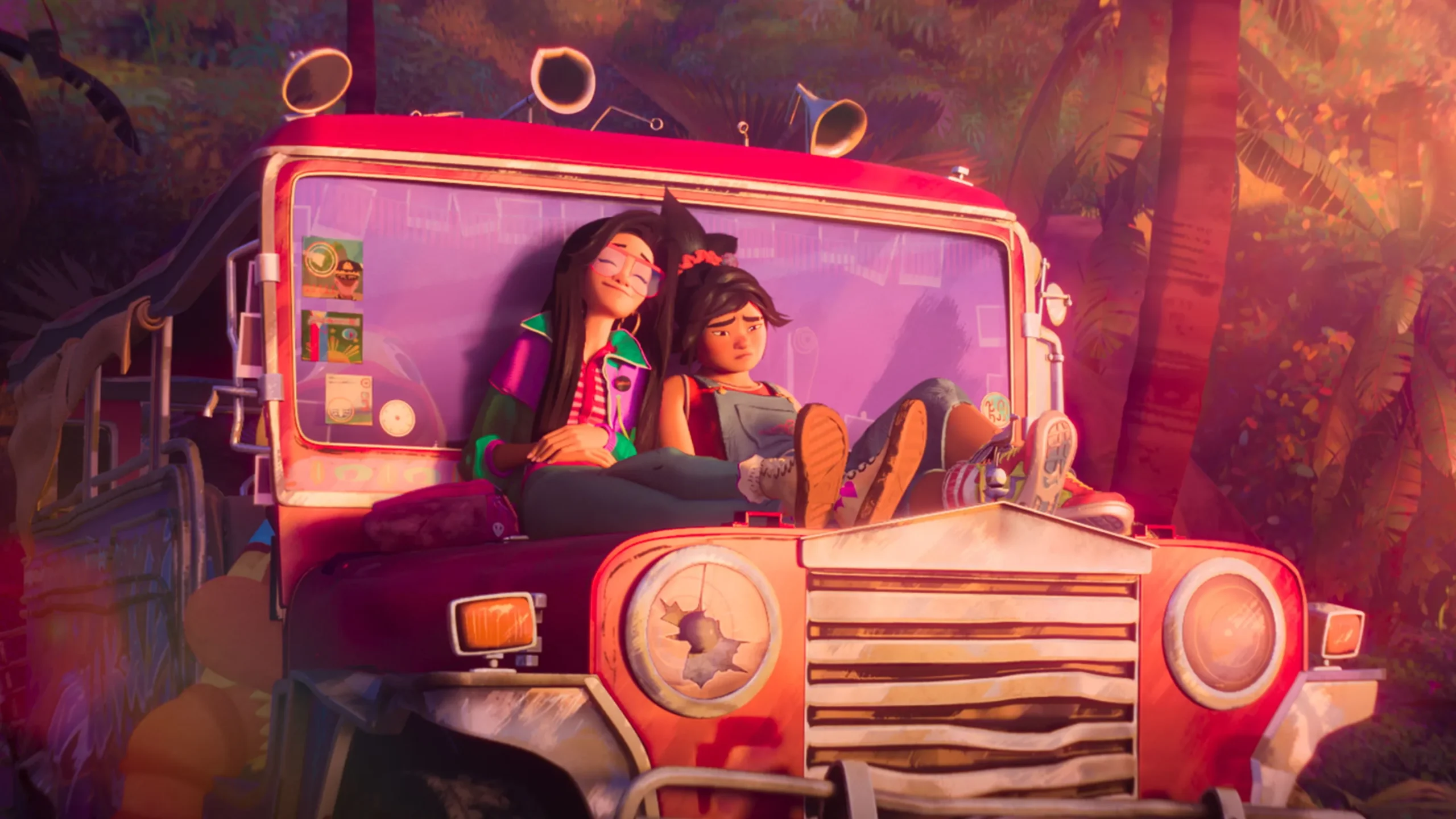
Directed by Joel Crawford and Januel Mercado, the duo behind 2022’s critically praised “Puss in Boots: The Last Wish,” the film tells an entirely original story rather than adapting existing material, something increasingly rare in an animation landscape dominated by sequels and established franchises. Set in the 1990s Philippines, it follows lifelong best friends Jo and Raissa on the eve of their high school graduation, just as adulthood is about to pull them in different directions. Raissa’s parents are pushing her toward studying at Caltech in the United States, a future she’s reluctantly accepting even as it means leaving Jo behind. On what’s meant to be their final night together before that separation, the two stumble through a mysterious portal into Nakali, a supernatural island drawn directly from Philippine mythology and populated by shapeshifters, demons, witches and monsters pulled from stories both women grew up hearing from their families. The twist that gives the film its emotional stakes is that the longer Jo and Raissa remain on Nakali, the more their memories of the outside world, including their own friendship, start slipping away.
The voice cast leans heavily on Filipino talent and Filipino-American performers. Singer-songwriter H.E.R., born Gabi Wilson, voices Jo in what’s her first-ever foray into voice acting, alongside Liza Soberano as Raissa. In an amusing bit of casting trivia, Soberano actually auditioned for the role of Jo first, before the filmmakers decided she was a better fit for Raissa instead. Dolly de Leon, known internationally for “Triangle of Sadness,” voices the girls’ grandmother, whose folklore stories set the entire adventure in motion. Dave Franco plays Raww, a well-meaning but hapless weredog the girls encounter on the island, while Broadway and Disney veteran Lea Salonga, whose credits include “Miss Saigon” and providing the singing voices for Mulan and Jasmine, voices a character called Manang, drawn from the Manananggal, a well-known figure in Philippine folklore capable of splitting its body in half at the waist and flying through the night in search of prey. Jenny Slate, Manny Jacinto, Jo Koy, Ronny Chieng and Amielynn Abellera round out the rest of the cast.
What sets “Forgotten Island” apart from a typical folklore-inspired kids’ movie, according to both directors, is that the mythology isn’t just window dressing draped over a generic adventure plot. Crawford and Mercado have said repeatedly that they wanted Filipino audiences to genuinely recognize the stories and creatures they grew up with, while still making the film accessible and emotionally resonant for viewers encountering this mythology for the very first time. Asked about finally getting the chance to bring this kind of story to a major studio release, the filmmakers put it simply: if not now, then when. For Mercado specifically, the project represents a chance to introduce Filipino culture and mythology to a genuinely global audience through one of animation’s biggest studio platforms.
H.E.R. described the material as deeply personal, recalling a trip to the Philippines in 2019 where her mother told her many of the same frightening folk tales that eventually found their way into the film, stories she says she quite literally grew up on. Soberano, for her part, called it a long-held dream to appear in a project that represents the Philippines accurately while still connecting with audiences well beyond it, adding that seeing Filipino culture showcased by a major studio feels like a genuinely exciting moment.
Visually, the film pushes further into hand-drawn, painterly textures than the directors’ previous work on “Puss in Boots: The Last Wish,” aiming for a look that leans into fantasy while still feeling grounded, with cinematography built around wider lenses and deliberate light leaks meant to echo the film’s broader themes of memory, nostalgia and the imperfect nature of old photographs. Critics reviewing the finished film have compared its more surreal, psychedelic visual passages to everything from Disney’s “Fantasia” to “Rick and Morty,” while also drawing lines to anime, Studio Ghibli, and the distinctive visual language of “Spider-Man: Into the Spider-Verse.” The Hollywood Reporter singled the film out as a genuinely rare example of original animated storytelling amid an industry increasingly built on existing intellectual property, praising its wit, visual invention and the emotional core built around the two central friendships. A soundtrack stacked with covers of 1990s pop staples, including tracks originally by INXS and Tina Turner, adds another layer of nostalgia tying the story’s era to its present-day audience.
Perhaps the clearest sign of how well the film is landing critically comes from its early Rotten Tomatoes standing, with Forbes reporting the film has become DreamWorks Animation’s best-reviewed release to date, debuting with a perfect early aggregate score. Coverage has also noted the film carries what’s being described as the largest Filipino voice cast ever assembled for a major studio animated release, a distinction that matters well beyond box office numbers for a Filipino and Filipino-American audience that’s rarely seen its own mythology treated with this level of care and scale in mainstream American animation.
With “Forgotten Island” hitting theaters September 25, DreamWorks appears to be betting that authenticity and originality, rather than another round of sequels or established characters, can still find a genuinely enthusiastic audience, and early reactions suggest that bet may be paying off in a bigger way than the studio anticipated.