|
Getting your Trinity Audio player ready...
|
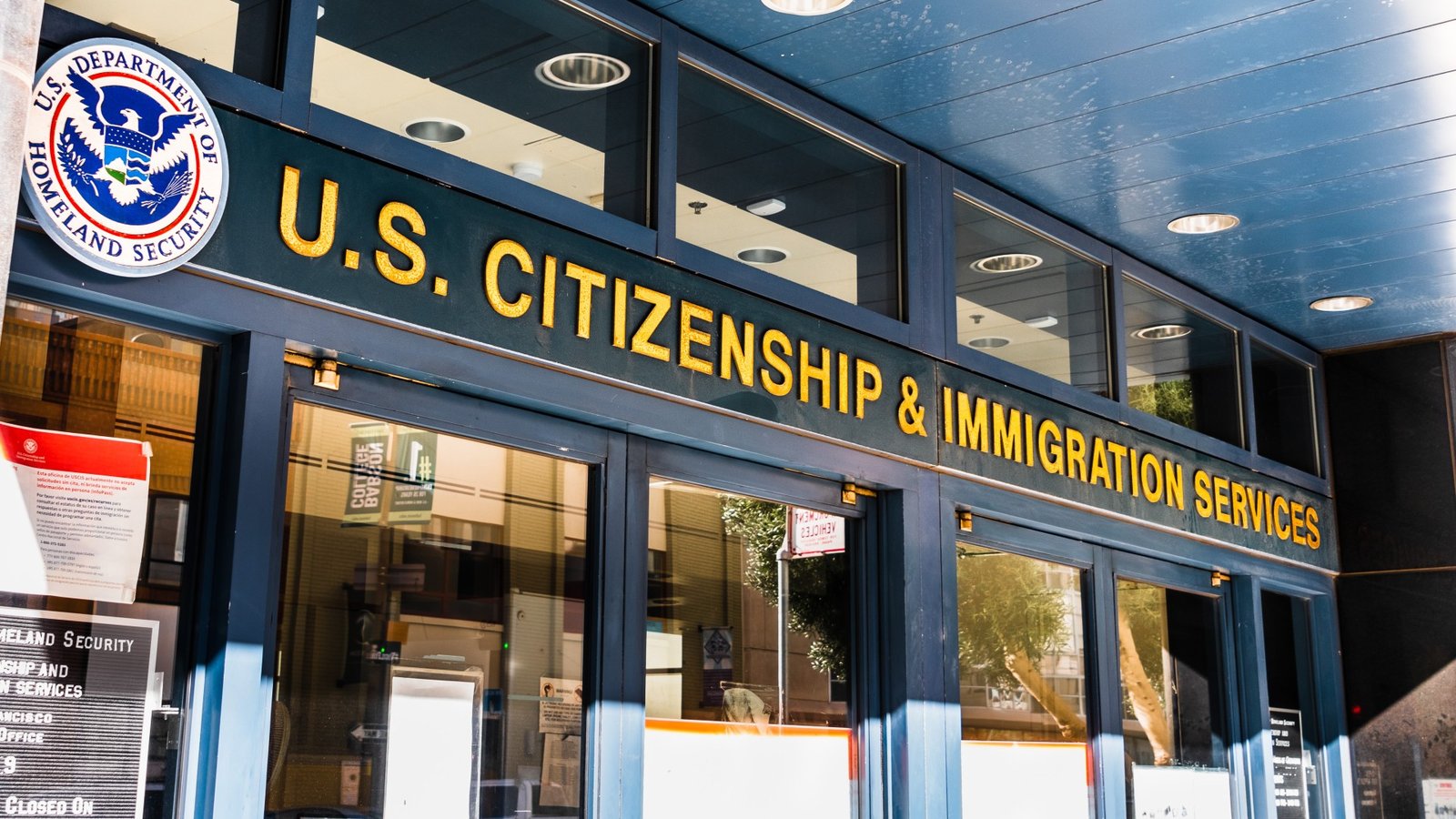
U.S. Citizenship and Immigration Services (USCIS) has published a Federal Register notice confirming annual inflation adjustments to a specific set of immigration fees created under H.R. 1, the One Big Beautiful Bill Act that President Trump signed into law on July 4, 2025. The updated fees, which affect asylum, parole, work permit and Temporary Protected Status applicants, take effect October 16, 2026, and apply only to the narrow category of H.R. 1 fees rather than the broader fee schedule USCIS charges for most employment-based and family-sponsored immigration benefits.
The increases themselves are modest in dollar terms but carry real consequences for anyone who misses the new amounts. The annual asylum application fee rises from $102 to $105. The immigration parole fee tied to Form I-131, used for travel documents, parole documents and arrival and departure records, climbs from $1,020 to $1,050. Initial Form I-765 employment authorization applications filed by asylum applicants, parolees and Temporary Protected Status holders increase from $560 to $570, and the Form I-821 fee for Temporary Protected Status applications rises from $510 to $520. USCIS has been explicit that any request postmarked on or after October 16 without the correct, updated fee will be rejected outright, leaving no grace period for applicants who submit using the old fee amounts after the effective date.
The legal basis for these yearly adjustments traces directly back to H.R. 1 itself, which requires the Department of Homeland Security to recalculate this specific set of fees every fiscal year based on changes to the Consumer Price Index for All Urban Consumers. This round of adjustments reflects inflation measured between July 2025 and July 2026, which came in at approximately 3.36 percent according to the Department of Homeland Security’s own calculation. That inflation figure explains why some fees moved while others stayed flat. The statute includes a rounding mechanism, and in cases where the calculated inflation adjustment rounds down to the same dollar figure as the current fee, no increase gets applied for that particular year. The I-94 arrival and departure record fee, for instance, remains unchanged at $24 for FY2027 specifically because its calculated adjustment rounded down to zero.
That same inflation-linked mechanism extends to several other travel-related fees DHS oversees outside the core USCIS benefit applications. The Electronic System for Travel Authorization fee, used by visa-exempt travelers entering the United States, will rise from $40.27 to $40.62, while the Electronic Visa Update System fee, which applies to certain Chinese passport holders traveling to the U.S., increases from $30.75 to $31.75. These travel authorization adjustments follow the same annual CPI-U recalculation process as the core USCIS benefit fees, even though they are processed through a separate system from standard immigration petitions and applications.
It’s worth emphasizing what this announcement does not cover, since the scope of H.R. 1 fees is considerably narrower than USCIS’s overall fee schedule. These inflation adjustments apply specifically to fees tied to asylum, parole, Temporary Protected Status, and a limited set of related employment authorization categories. They do not change the regular USCIS fees charged for standard employment-based petitions, family-sponsored green card applications, naturalization, or the broader slate of immigration benefit requests that make up the bulk of the agency’s overall fee schedule. Applicants and immigration attorneys working on cases outside this specific H.R. 1 category should continue referencing USCIS’s standard Form G-1055 fee schedule rather than assuming these particular increases apply to their filings.
The practical stakes of getting the new fee amounts right are higher than the modest dollar increases might suggest. Because USCIS has stated plainly that it will reject any affected filing postmarked on or after October 16 that does not include the updated fee, even a $3 or $10 shortfall could result in a rejected application, forcing applicants to refile, potentially losing valuable time in categories where priority dates and filing windows carry significant weight. Immigration attorneys have specifically flagged this risk for clients with asylum, parole or TPS applications pending around the effective date, advising that anyone filing close to October 16 double-check which fee schedule applies based on their exact postmark date rather than assuming last year’s figures remain valid.
For communities with large populations of asylum seekers, parolees and TPS holders, including Cuban nationals and other groups with active humanitarian protection cases in the United States, the fee changes carry particular relevance given how directly these categories intersect with the updated amounts. Advocacy organizations and immigration law firms have been working to get the word out quickly given the relatively short window between the September 30 announcement and the October 16 effective date, a gap of just over two weeks that leaves limited time for applicants with cases in progress to adjust their filing plans accordingly.
This is not expected to be a one-time event. Because H.R. 1 requires DHS to recalculate these fees annually using the same CPI-U methodology, applicants and practitioners should expect another round of adjustments, however modest, to arrive again for Fiscal Year 2028, with the possibility that any individual fee could rise, stay flat, or in theory even see the rounding mechanism work in the opposite direction depending on how inflation trends over the coming year. USCIS has also separately signaled it is reviewing the EB-5 Immigrant Investor Program fee structure to ensure it fully covers the cost of running that program, including audits, site visits and integrity measures, suggesting further fee-related announcements affecting other immigration categories may follow in the coming months.
With the October 16 effective date now set, the immediate priority for anyone preparing an affected filing is straightforward: confirm the correct fee amount based on the submission’s postmark date, since USCIS has made clear it will not make exceptions for filings that fall short, however small the shortfall. Continuing coverage of USCIS policy and fee updates is available on Business Tech. The complete, official fee adjustment notice and full list of affected forms is available through USCIS’s official newsroom.