|
Getting your Trinity Audio player ready...
|
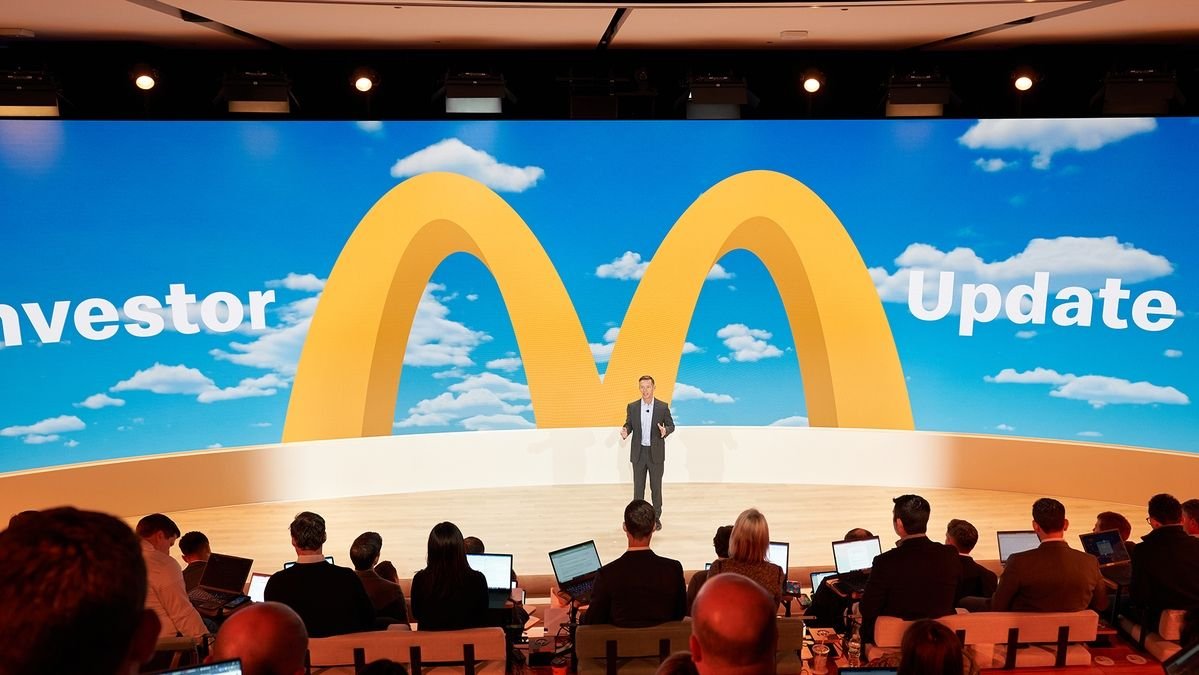
For decades, the fast-food promise was simple: more food for your money. McDonald’s built part of its identity on that idea, from the Super Size era to the Big Mac combo. Now the world’s best-known burger chain is talking about something close to the opposite, a menu that offers more protein, more control over portion size and food that leaves people satisfied without leaving them overfull. The shift was laid out at the company’s investor day in September, and it has set off a wider conversation about how weight-loss drugs are changing what Americans order.
The headline number is $8.5 billion, but it needs context. McDonald’s says it plans to spend that sum over 10 years modernizing restaurants around the world, in a program Fortune has described as “McDonald’s Next.” The menu changes are one part of that larger overhaul, not the whole of it, and the company has described them as options it is exploring rather than finalized plans. In other words, the figure covers a decade of restaurant upgrades and strategy, with the protein and portion work sitting inside it.
The reasoning behind the menu thinking comes from GLP-1 medications, the class of drugs that includes Ozempic, Wegovy and similar treatments for diabetes and obesity. McDonald’s USA president Skye Anderson told investors that company research estimates about 30 million Americans use these drugs, and that roughly 60 million more are actively looking for extra protein in their diets. According to CBS News, she said those customers want more protein, greater portion flexibility and food that feels satisfying without feeling like too much. Axios noted that about one in eight American adults now take the medication, and Gallup data cited by CBS-affiliated reporting shows use of the drugs for weight loss has nearly quadrupled in two years.
Anderson laid out what that might look like on the menu. She said the company is exploring bowls, grilled chicken and egg bites to broaden protein-forward choices across breakfast, lunch and dinner. CBS News reported that the options could include grilled chicken sandwiches and wraps, as well as egg bites. McDonald’s has not said when any of these items might reach restaurants, or which of them will actually launch, so shoppers should treat the list as a direction of travel rather than a rollout calendar. The company has also not announced which existing items might be shrunk or removed.
Some of the groundwork is already in place. In April, McDonald’s added protein callouts to 17 items in its app and ordering kiosks, a small badge that tells customers at a glance which items carry a meaningful amount. An Egg McMuffin, for example, is listed with 17 grams. Reports citing the company say more than 30 menu items contain at least 15 grams of protein. That is a quiet but clever move. It does not change the food, yet it changes how the menu reads, and for a customer scanning a kiosk screen the protein number can steer the choice.
What stands out in the investor commentary is how little McDonald’s expects these customers to disappear. CEO Chris Kempczinski told CNBC that people on GLP-1s still crave the food, though what they buy and how much changes. Anderson said the company’s menu already offers built-in choice, and that GLP-1 customers are gravitating toward items that combine protein with portion flexibility, such as Chicken McNuggets, Filet-O-Fish and Happy Meals. One report citing the company said 84 percent of households with a GLP-1 user still visit McDonald’s, and data from the research firm Circana found these users cut the average number of items per visit by only about 1 percent. Those are company-linked and secondary figures, but they point to a customer who is eating out less in volume rather than abandoning the category.
That distinction matters for the business. If customers on these drugs still show up but order smaller baskets, chains lose revenue per visit unless they find ways to offset it. A menu with smaller portions at sensible prices, and with protein-heavy items that command a premium, is one answer. A 2026 study in the journal Food Policy, cited by Fortune, found that GLP-1 use increased consumers’ willingness to pay for most of the protein products it examined. Another projection cited in the same coverage expects global protein demand to climb about 11 percent between 2024 and 2029, with GLP-1 users, older adults and people who do resistance training sustaining it. Taken together, the argument is that protein is becoming the new premium in the grocery aisle and at the drive-through.
Not everyone is convinced about the cost. Moneywise reported that investors were wary of the price tag and that the company’s shares fell about 6 percent after the announcement, though that figure comes from a single outlet and market moves can have many causes. Analysts typically weigh a decade-long spending plan against near-term returns, and a company with thousands of restaurants has a lot of renovation and technology to pay for. The more interesting question is whether menu changes alone can deliver growth, or whether they mostly defend existing sales against a shifting customer base.
McDonald’s is far from alone. CBS News noted that Chipotle and Shake Shack are among the chains revamping menus for customers on weight-loss drugs, with more protein and lower-calorie choices. A researcher quoted in local CBS coverage said the habits associated with GLP-1 users, such as smaller portions and a focus on protein, are also appearing among consumers who are not on the medications. That spillover effect is probably the most important insight for the wider food and lifestyle industry. A trend that starts with a medical treatment can quickly become a general preference, much as gluten-free and plant-based options moved from niche to mainstream.
For everyday diners, the changes may be welcome, but a note of caution is in order. Higher protein is not automatically healthier, and calorie, sodium and fat content still vary widely across fast-food items. People who take GLP-1 medications do so under medical supervision and have individual dietary needs, so menu badges are a convenience, not a substitute for advice from a doctor or dietitian. The new focus is best read as a signal about demand, not as a health claim from the chain.
The cultural shift is also worth noting. Social media creators now share their “lower-calorie McDonald’s orders,” with calorie and protein totals, as casually as they once shared secret-menu hacks, and wellness has become something people treat as a daily lifestyle rather than a January resolution. A brand like McDonald’s cannot ignore that, because its customers are posting about it. Whether the company leans into smaller portions loudly or quietly will say a lot about how it wants to be seen in the next decade.
What to watch next is straightforward. Look for pilot programs or test markets for the bowls, grilled chicken and egg bites, for any changes to portion sizes or pricing, and for further data on how GLP-1 households actually order. The company’s quarterly results will show whether the strategy is supporting sales or merely defending them. More details about the company’s plans are published on McDonald’s corporate site, and CBS News has a useful overview of how GLP-1 drugs are changing fast-food menus.
Readers who follow business, technology and lifestyle trends can find more coverage at BusinessTech Nigeria. For now, the signal from one of the world’s biggest food brands is clear: the era of bigger is better is giving way to one where better-fitting is the goal.