|
Getting your Trinity Audio player ready...
|
Chevron and Egypt Move Closer to a Final Deal on a $4 Billion Pipeline Linking Cyprus’s Aphrodite Gas to Egyptian Plants
A decision that has been years in the making is edging toward a signature. Chevron and the Egyptian government are working through the last technical, legal and commercial points on a roughly $4 billion project to bring gas from Cyprus’s Aphrodite field to Egypt, where it would be processed and sold abroad as liquefied natural gas.
Egypt’s Petroleum Minister, Karim Badawi, met Chevron executives in Athens on October 8, at the end of a visit to Greece, to review what remains before a final investment decision, known in the industry as an FID. According to a statement from the ministry, both sides agreed to speed up their work so that orders for long-lead items, the specialised equipment that takes the longest to build and deliver, can be placed ahead of the formal go-ahead. Joint working teams have been dealing with the project’s technical, commercial and legal procedures, the ministry said. No FID has been taken, and no start date for construction or production has been announced, according to Cypriot and industry reports.
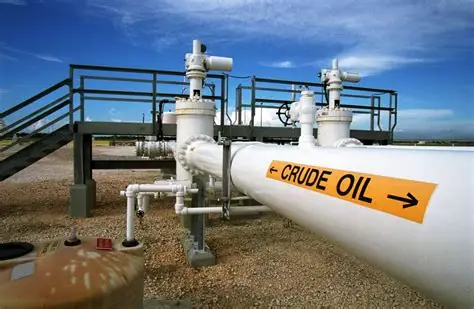
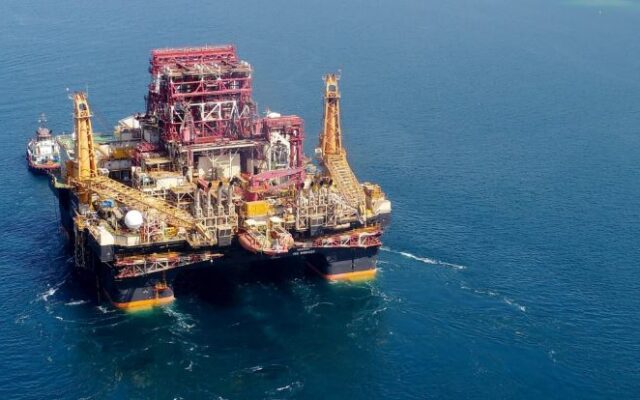
The plan itself is straightforward. A floating production unit would sit above the Aphrodite field in Block 12 of Cyprus’s offshore zone, and a 280-kilometre subsea pipeline would carry the gas to Egypt’s onshore network. Because Egypt already has gas-processing plants and LNG export terminals, the partners aim to use them rather than build new standalone facilities, which should lower the cost and shorten the schedule. Once in Egypt, the gas would be processed and shipped to buyers through existing LNG plants.
Chevron operates Aphrodite with a 35 percent working interest. Shell also holds 35 percent, and the Israeli company NewMed Energy has 30 percent. The field was discovered in 2011 and is regarded as one of the larger undeveloped gas resources in the Eastern Mediterranean. Cyprus granted Chevron a licence for a pipeline survey between Aphrodite and Egypt in March 2025, which kept the project moving.
For Egypt, the appeal is about using idle capacity and earning fees as a transit and processing hub. Badawi described maximising the country’s ability to receive, process and handle regional gas as a national priority, and said regional cooperation would strengthen Egypt’s role as a Mediterranean energy trading centre. Egypt has installations that were built to handle larger volumes than its own fields now supply, and imported gas could fill them. For Cyprus, which has proven reserves but no way to export them on its own, a link to Egypt offers a route to market. Chevron’s interest in Egypt is also widening: on October 6, trade publication Upstream reported that the company finalised a deal to explore an untouched ultra-deepwater block offshore Egypt.
Several conditions remain before ground is broken. Binding agreements on transit and processing with Egypt are described as the last regulatory hurdle before partners commit full capital. The project’s economics also depend on construction costs, the price buyers agree to pay under long-term contracts and how it is financed, factors that analysts say will decide whether the $4 billion figure holds. Until an FID is signed, the pipeline remains a proposal and not a built asset, and earlier plans for Aphrodite have slipped repeatedly over the years, so readers should treat timelines with caution.
What to watch next is simple. Does the partners’ announcement of long-lead orders come first? Do Egypt and the Aphrodite partners sign their final transit and processing agreements? And does the FID follow in the coming months? A yes to all three would put Eastern Mediterranean gas on a path to world markets through Egyptian terminals.