|
Getting your Trinity Audio player ready...
|
Singapore is facing mounting pressure to tighten oversight of its semiconductor trade after investigations into cloud computing company Megaspeed exposed how Chinese businesses could access restricted Nvidia AI chips through overseas data centres. Washington is responding with tougher export controls, raising concerns about Singapore’s reputation as a global technology hub and its business relationship with both the United States and China.
Singapore is working to contain the fallout from a growing Nvidia chip scandal that has drawn international attention to the country’s role in the global semiconductor supply chain and potential loopholes in US restrictions on advanced artificial intelligence hardware.
The controversy centres on Megaspeed International, a Singapore-based cloud computing company suspected by US authorities of helping Chinese businesses access advanced Nvidia chips despite Washington’s restrictions on technology exports to China.
The investigation has also attracted attention because of Alice Huang, a former senior Megaspeed executive whose reported relationship with Nvidia’s former chief executive, Jensen Huang, has added a personal dimension to the controversy. US authorities have examined whether Alice Huang had connections to Chinese intelligence, although the allegations remain unverified. Beijing has rejected claims that she was a spy.
The case has intensified scrutiny of Singapore’s position as an international technology and business centre. It has also prompted Washington to move against a loophole that allows companies in restricted countries to obtain computing power from advanced chips located in overseas data centres.
Singapore now faces the challenge of protecting its reputation as a trusted trading destination while maintaining its economic relationships with the world’s two largest economies.
Singapore Responds to Growing Nvidia Chip Export Scandal
Singapore’s government has reaffirmed its commitment to maintaining the country’s reputation as a reliable international business hub.
The Ministry of Home Affairs has said Singapore does not condone businesses using their association with the country to circumvent or violate other nations’ export controls through fraudulent or dishonest practices.
The government has also clarified an important distinction in its regulatory approach. Singapore does not automatically enforce unilateral export restrictions imposed by foreign governments, but it expects companies operating within its jurisdiction to consider applicable international regulations when conducting cross-border business.
Authorities have maintained that they will investigate and prosecute activities that violate Singaporean laws.
Investigations involving Megaspeed and six other individuals have continued since February 2025. The government has also confirmed that it agreed to continue discussions with Washington about the company and the wider investigation.
The controversy is particularly sensitive because Singapore has spent decades developing its reputation as a secure location for international trade, financial services and technology investment.
Any perception that businesses can use Singaporean companies to bypass international trade restrictions could undermine confidence among major technology suppliers and foreign investors.
How Megaspeed Exposed a Loophole in US Nvidia Chip Restrictions
The Megaspeed investigation has highlighted a challenge facing Washington as it attempts to restrict China’s access to advanced artificial intelligence technology.
The United States has imposed restrictions on the export of powerful Nvidia processors to China, arguing that access to advanced computing technology could strengthen China’s military and strategic capabilities.
However, restricting physical shipments does not necessarily prevent Chinese businesses from accessing the computing power generated by those chips.
One potential route involves overseas data centres. Companies can purchase advanced Nvidia processors, install them in facilities outside China and then provide computing services to customers through remote internet connections.
This arrangement can allow businesses in China to access powerful AI computing resources without physically importing restricted processors into the country.
It is this distinction between owning restricted hardware and remotely accessing its computing capacity that has complicated US export enforcement.
Megaspeed became a focus of the investigation because of allegations that it helped Chinese businesses access advanced Nvidia technology through overseas computing infrastructure.
The case has also drawn attention to the use of intermediaries, international corporate structures and cloud computing arrangements in the semiconductor trade.
For Washington, the challenge is no longer limited to tracking where advanced processors are shipped. Authorities also want to establish who ultimately uses the computing resources generated by those processors.
US Tightens Nvidia AI Chip Export Controls on Singapore and Other Countries
The United States has moved to address the overseas computing loophole through tougher export controls.
The new measures require data centres worldwide to obtain US licences before providing large volumes of computing power from advanced chips to companies headquartered in China or other countries subject to US arms embargoes.
Washington is also tightening licensing requirements for shipments of advanced AI chips to Singapore, Malaysia, Thailand, Indonesia and Brazil. US authorities consider these markets to present a higher-than-normal risk of diversion of sensitive semiconductor technology.
The measures reflect a broader shift in American export policy. Instead of concentrating exclusively on the physical movement of restricted processors, Washington is increasingly targeting the computing services that make those processors valuable.
This approach could affect cloud computing providers, data centre operators, semiconductor distributors and companies that purchase advanced processors for international customers.
Singapore said it was carefully studying the new American measures.
The restrictions could create additional compliance responsibilities for companies operating in the country, particularly businesses that purchase large quantities of advanced processors and provide computing services to international customers.
They could also increase the time required to approve technology transactions and establish the final destinations and users of sensitive hardware.
Megaspeed Investigation Raises Questions About Alice Huang and Nvidia
The Megaspeed controversy has attracted additional attention because of Alice Huang, a former senior executive at the Singapore-based company.
US authorities have investigated allegations surrounding her possible connections to Chinese intelligence. However, the claims have not been independently established, and Singapore’s government has specifically rejected reports suggesting that its officials investigated her for suspected espionage or alleged intelligence links.
Singaporean authorities have separately investigated Megaspeed over possible false declarations involving server purchases and their intended destinations.
The government said police found insufficient evidence that Alice Huang had committed offences relating to the suspected inaccurate declarations. However, authorities concluded that she had knowingly provided inaccurate information that understated her role at the company.
She received a stern warning and was barred from re-entering Singapore.
The controversy has also drawn attention to her reported relationship with Jensen Huang, who stepped down from his leadership roles at Nvidia on November 12 following the wider scandal.
The relationship allegations and questions about possible intelligence connections have intensified scrutiny of Nvidia’s business relationships and its exposure to sensitive international transactions.
However, the personal controversy should be distinguished from the separate investigations into Megaspeed’s commercial activities and possible violations of export controls.
US intelligence agencies are still assessing Alice Huang’s relationship with China’s Ministry of State Security, according to reporting by Reuters. Beijing has rejected the allegations.
Megaspeed has said Alice Huang left the company on August 30, 2025, and that its business activities were legitimate and lawful. The company has also maintained that it takes export control requirements seriously.
Singapore’s Semiconductor Industry Faces Greater Regulatory Pressure
The scandal presents a difficult challenge for Singapore because semiconductors have become an important part of its economic strategy.
The country has positioned itself as a major centre for semiconductor manufacturing, packaging, testing, equipment production and international distribution.
Its economic development efforts have attracted substantial investments from global technology companies seeking access to Asia’s growing electronics and artificial intelligence markets.
Singapore attracted more than $23 billion in semiconductor-related investments between 2022 and 2025. The country accounts for approximately one in every 10 chips and one in five semiconductor equipment units produced worldwide, according to its economic development board.
These figures demonstrate why maintaining confidence among international technology companies is important to Singapore’s long-term economic ambitions.
However, the Megaspeed investigation could make technology suppliers more cautious about selling advanced processors to companies operating in the country.
Businesses may face more demanding checks involving corporate ownership, shipment destinations, server installations and the identities of their ultimate customers.
Such requirements could increase operating costs and delay legitimate transactions.
Analysts have also warned that additional restrictions could affect Singapore’s ability to attract certain data centre investments, particularly as neighbouring Malaysia continues to develop its own digital infrastructure industry.
Nevertheless, the controversy does not automatically threaten Singapore’s established semiconductor manufacturing base. Its manufacturing, packaging and testing operations have taken decades to develop and serve a much wider range of customers than the companies involved in the investigation.
The greater immediate risk concerns semiconductor trading, cloud computing and the distribution of advanced AI processors.
Singapore Caught Between US Technology Controls and China’s AI Ambitions
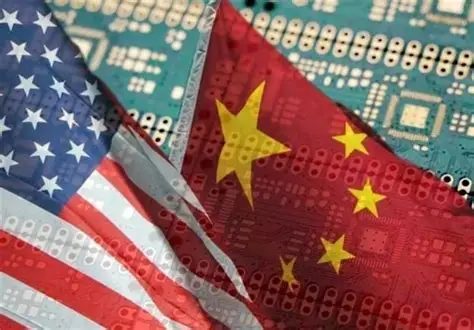
Singapore’s position in the dispute reflects the wider economic consequences of growing US-China technology competition.
The United States wants to limit China’s access to advanced processors that can support artificial intelligence development, high-performance computing and military applications.
China, meanwhile, is investing heavily in domestic semiconductor production and artificial intelligence capabilities to reduce its dependence on American technology.
Singapore has maintained strong commercial relationships with both countries. Its open trading environment has helped attract multinational companies that use the city-state as a regional headquarters, investment centre and distribution base.
However, the Nvidia controversy demonstrates how difficult it can be for a small, internationally connected economy to remain commercially open while navigating increasingly restrictive technology policies.
Companies operating in Singapore may have to satisfy American export requirements even when their transactions involve customers and facilities located in several different countries.
Technology suppliers could also demand more detailed information about the final users of their products before approving sales.
The consequences may extend beyond Nvidia. Other semiconductor manufacturers, cloud computing providers and data centre operators could face similar scrutiny as governments attempt to control access to advanced computing resources.
For Singapore, maintaining its competitive position will require stronger oversight without creating unnecessary obstacles for legitimate international businesses.
What the Nvidia Scandal Means for Global AI and Semiconductor Trade
The Megaspeed investigation highlights an important weakness in traditional export control systems.
Advanced AI processors are valuable not only because of the hardware itself but also because of the computing capacity they provide. Restricting physical shipments may therefore be insufficient when overseas companies can offer remote access to powerful processors through cloud services.
Washington’s latest measures signal an effort to close that gap by extending regulatory attention to computing services and the businesses that provide them.
For semiconductor companies, the changes could make international sales more complicated. For data centre operators, they could introduce additional licensing obligations and customer verification requirements.
For Singapore, the challenge is protecting its reputation as a trusted global business hub while responding to increasing pressure from the United States over technology exports.
The outcome will also matter to other countries seeking to attract semiconductor investment while maintaining commercial relationships with both Washington and Beijing.
The Nvidia-Megaspeed controversy is therefore about more than one company’s business activities. It illustrates how artificial intelligence, international trade and national security are becoming increasingly interconnected.
As governments tighten controls over advanced computing technology, companies operating across international markets will face growing pressure to demonstrate where their hardware goes, who uses it and whether their commercial arrangements comply with applicable export restrictions.