
|
Getting your Trinity Audio player ready...
|
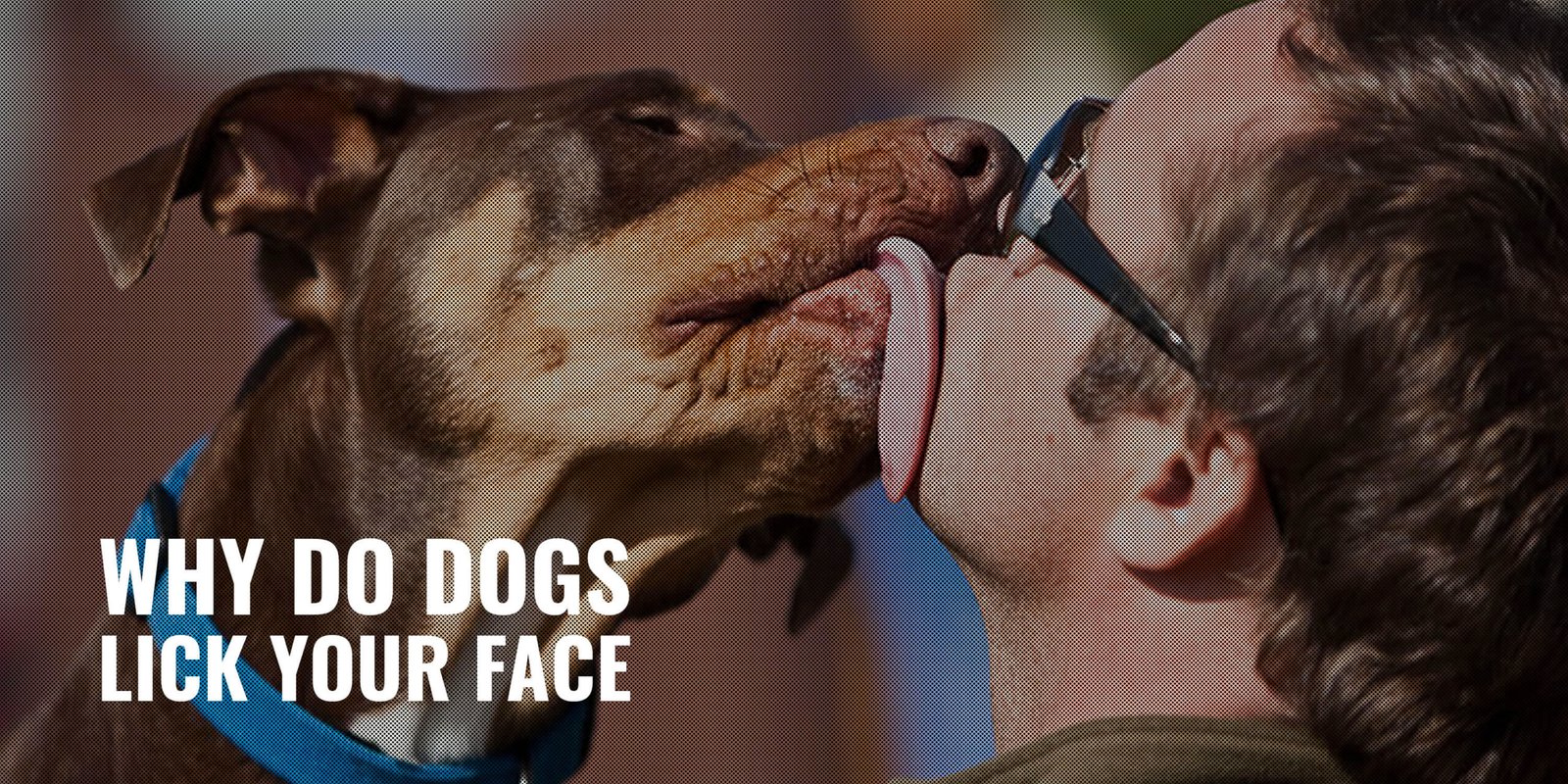
Dog owners have long assumed that a lick on the cheek or a slobbery greeting at the door is simply their pet’s version of a kiss. It feels affectionate, it happens constantly, and it is easy to read as a straightforward expression of love. But according to veterinarians and animal behaviorists, the truth behind why dogs lick you is far more layered than a simple gesture of affection, and understanding it can actually tell you a lot about what your dog is thinking, feeling, or needing in that moment.
Licking is one of the very first behaviors a dog ever learns. Mother dogs lick their puppies immediately after birth to clean them and stimulate breathing, and they continue licking after nursing to help stimulate the puppies’ digestive and urinary systems, since newborn pups cannot relieve themselves without that stimulation. From the earliest days of life, licking is tied directly to survival and comfort, which is likely why the behavior becomes so deeply ingrained in a dog’s instinctive repertoire well before it ever becomes a habit directed at humans.
As puppies grow, licking takes on an additional social function. Young dogs lick their mother’s face to beg for regurgitated food, a behavior inherited from their wild ancestors. That instinct does not disappear once dogs are living in human households, it simply gets redirected. When an adult dog licks your face after you walk through the door, veterinarians note that the behavior often echoes this same ancient food-solicitation instinct, even though your dog obviously is not expecting you to regurgitate a meal. The gesture has essentially been repurposed into a greeting ritual, carried out of pure habit and social bonding rather than any real expectation of food.
Affection genuinely plays a role too, and there is no need to strip all the warmth out of the behavior. Licking has long been recognized as part of how dogs express closeness with the people and animals they consider part of their social group. Dogs that grew up around littermates often licked one another as a bonding gesture, and many carry that same instinct into their relationships with human family members. If your dog leans in for a lick after a long day apart, there is a legitimate case that affection and simple happiness to see you are part of what is driving that.
What surprises a lot of pet owners is how much of licking behavior actually comes down to biology rather than emotion. Veterinary sources point out that licking triggers the release of endorphins in a dog’s brain, chemicals associated with calm and pleasurable feelings, which in turn can trigger a release of dopamine as well. In other words, licking quite literally feels good to a dog on a neurological level, independent of any message they might be trying to send you. That is part of why licking can become such a persistent habit. It is genuinely self-rewarding, similar to how a person might bite their nails or twirl their hair when they are anxious, except that a dog’s version of that habit happens to be aimed directly at your hand or face.
Taste is another factor that rarely gets enough credit. Dogs experience the world largely through smell and taste, and human skin offers plenty for a curious tongue to investigate. Sweat carries salt, and remnants of food, lotion, or sunscreen can linger on skin long after you have washed your hands. Certified animal behaviorists have pointed out that dogs are often simply drawn to the taste of a person’s skin, particularly after exercise or a meal, which explains why some dogs seem to intensify their licking at very specific moments rather than doing it constantly throughout the day.
Attention-seeking is a more practical explanation, and one that many dog owners inadvertently reinforce without realizing it. If a dog licks your hand and you respond by petting them, talking to them, or simply looking their way, you have just taught them that licking gets a reaction. Dogs are quick learners when it comes to behaviors that reliably produce a response from their favorite humans, and licking is an easy, low-effort way to generate exactly that kind of engagement.
Not all licking is quite so benign, however. Excessive licking, particularly when a dog repeatedly licks themselves, an object, or a person in a way that seems compulsive rather than casual, can be a signal of anxiety, stress, or an underlying medical issue. Veterinary behaviorists describe licking as a self-soothing mechanism, meaning some dogs turn to it as a coping strategy in stressful situations, much like a nervous habit in humans. A dog that suddenly starts licking far more than usual, especially in a way that seems difficult for them to stop, is often worth a trip to the veterinarian to rule out pain, skin irritation, allergies, or gastrointestinal discomfort before assuming the behavior is purely emotional or habitual.
There is also a practical health consideration that gets overlooked amid all the talk of affection and bonding. A dog’s mouth is not actually cleaner than a human’s, despite the popular myth, and saliva can carry bacteria capable of causing infection, particularly if it comes into contact with an open wound or broken skin. People with weakened immune systems, along with very young children and older adults, face a higher risk from this kind of contact. Veterinarians generally advise against letting dogs lick directly around the mouth, nose, or eyes, where bacteria have an easier path into the body, even though the occasional lick on intact skin poses minimal risk for most healthy adults.
So the next time your dog showers you with what looks like an enthusiastic kiss, the honest answer is that it could be several things happening at once. It might be genuine affection built on years of bonding, an old instinct inherited from puppyhood, a simple response to the taste of your skin, a bid for attention that has worked before, or a small dose of self-soothing after a stressful moment. Reading the context, including your dog’s body language and the situation surrounding the behavior, will usually tell you far more than the lick itself ever could. Pet owners looking for more guidance on interpreting everyday dog behavior can find detailed resources through the American Kennel Club and VCA Animal Hospitals, both of which offer science-backed explanations for common canine habits. For more lifestyle and pet-related coverage, visit the TechChora Lifestyle section.