|
Getting your Trinity Audio player ready...
|
Startup Launches Twitter.now, Betting Trademark Fight With Elon Musk’s X Won’t Stop It
A small Virginia startup just did something few companies would attempt while still tangled up in federal court. Operation Bluebird, the company behind the effort to revive the old Twitter identity, has launched a new social platform called Twitter.now, even though it remains locked in an active trademark battle with Elon Musk’s X Corporation. The move marks one of the boldest gambles in recent tech industry history, betting that a name Musk walked away from in 2023 is still worth fighting for in court and in the marketplace.
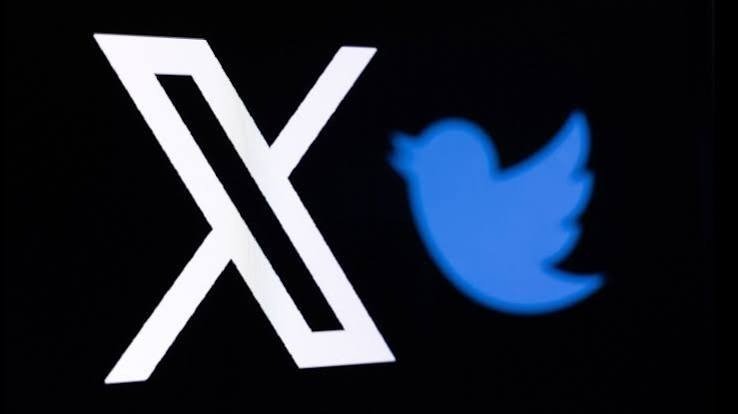
The backstory stretches back to Musk’s $44 billion acquisition of Twitter in 2022. About a year later, he rebranded the company as X, retiring the bird logo and the Twitter name that had defined the platform for more than fifteen years. Stephen Coates, who once served as Twitter’s general counsel before Musk’s takeover, saw an opening. He and his colleagues at Operation Bluebird argued that once X dropped the Twitter branding, it effectively abandoned the trademarks tied to it, including the word Tweet itself. The startup filed an application to claim those trademarks and later petitioned the U.S. Patent and Trademark Office to cancel X’s existing marks altogether.
X Corporation was not willing to let that argument go unanswered. Late last year, the company sued Operation Bluebird in a federal court in Delaware, asking a judge to block the startup from launching any new platform under the Twitter name. The lawsuit leaned on the position that, rebrand or not, X still owns and actively uses the Twitter identity in ways that matter under trademark law. For months, the case sat in limbo while both sides waited for a written ruling.
That waiting period is what ultimately pushed Coates to act. According to Coates, the company had investors and a working product, and had waited long enough without a decision from the court. Rather than continue sitting on the sidelines, Operation Bluebird pointed to comments a judge made earlier this year, in April 2026, suggesting the Twitter and Tweet trademarks might no longer carry full legal protection. Coates and his team treated that tentative signal as enough justification to move forward, launching Twitter.now on August 27 despite the lawsuit still being unresolved.
Twitter.now is designed to feel familiar to anyone who used the platform before Musk’s rebrand. It supports replies and reposts, mirroring core mechanics that longtime Twitter users will recognize instantly. But the startup has been careful to draw a clear line between itself and Musk’s company, stating directly on its website that it has no affiliation with X Corp and is not a continuation of X in any form. That distinction matters both legally and practically, since Operation Bluebird needs to convince both a judge and the public that it is building something separate rather than simply riding on X’s coattails.
The platform’s standout feature is something neither the original Twitter nor Musk’s X ever had. Called Vera, it is an automated fact-checking system built on Google’s Gemini technology, designed to analyze posts in real time and flag questionable claims as they spread. Coates has framed the tool as central to the platform’s identity, describing the broader goal as building a safer version of the public square, one where speech remains open but harmful misinformation doesn’t travel unchecked. It’s a notable contrast to X’s Community Notes system, which relies on crowdsourced context from users rather than an automated verification layer.
For now, the numbers are modest. Twitter.now counts its user base in the hundreds rather than millions, a far cry from the scale Twitter once commanded before its rebrand. That’s not surprising for a platform that just launched under the shadow of active litigation, but it does raise questions about whether Operation Bluebird can grow fast enough to matter before the legal fight resolves one way or another.
Trademark attorneys watching the case say Operation Bluebird’s legal argument isn’t as far-fetched as it might sound, but it’s far from a guaranteed win. Washington-based trademark attorney Josh Gerben, who has followed the dispute closely, has acknowledged the startup may have a workable legal theory, while cautioning that the situation has changed dramatically now that the platform is actually live rather than just a filed application. Launching the product effectively raises the stakes for both sides, since X now has a functioning competitor to point to in court rather than a hypothetical one.
That shift is likely to prompt a response from X Corporation, which has yet to comment publicly on the launch. Given the company’s history of aggressively defending its brand and legal positions, few expect X to let the matter rest quietly. The Delaware court will ultimately have to decide whether Musk’s 2023 rebrand, and his own public statements at the time about retiring the Twitter name, amounted to a genuine abandonment of the trademark under U.S. law, or whether X retained enough ongoing use and brand recognition to keep its legal claim intact.
The outcome could carry weight beyond this single case. Trademark abandonment disputes involving major, culturally significant brand names don’t come around often, and how this one plays out may influence how future companies think about walking away from an established name versus holding onto it defensively. For everyday users, the more immediate question is simpler: whether a scrappy startup with a fact-checking twist can carve out space in a social media landscape already crowded with alternatives like Bluesky, Threads, and Mastodon, all of which emerged in the wake of Musk’s Twitter takeover chasing some of the same disaffected users.
Whether Twitter.now becomes a meaningful competitor or a footnote in a trademark dispute will likely depend on how quickly the Delaware court moves, and how much patience Operation Bluebird’s investors have for a fight that shows no signs of ending soon. For now, the startup has made its bet, launching first and letting the legal argument play out in parallel rather than waiting for permission that might never come.