|
Getting your Trinity Audio player ready...
|
Apple has set the date for its next big product reveal, and this year’s gathering carries more weight than usual. The company will hold its annual iPhone-focused event on Wednesday, September 9, at the Apple Park campus in Cupertino, California, starting at 10:00 a.m. Pacific Time, with select media invited to attend in person. Invitations went out to press on August 26 carrying the tagline “Surprise and Shine,” paired with an image of a glowing Apple logo, and the keynote will be streamed live through Apple’s website, the Apple TV app, and YouTube.
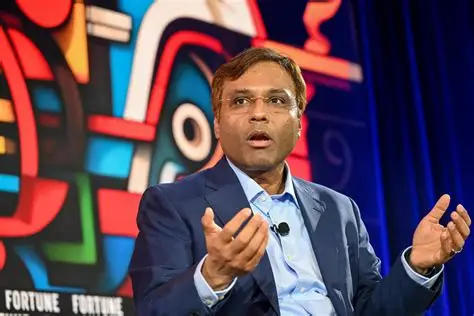
What makes this particular event stand out has less to do with the calendar and more to do with who will be standing on stage. This will be the first Apple product launch led by John Ternus, who officially takes over as chief executive from Tim Cook on September 1. Ternus spent years as Apple’s senior vice president of hardware engineering before stepping into the top role, and his debut keynote arrives at a moment when the company is trying to convince buyers that its most expensive iPhones yet are worth the price jump.
The headline hardware this time around skips a generation that many shoppers were expecting. Apple is not planning to release a standard iPhone 18 this September. Instead, the company is holding that more affordable model back until spring 2027, focusing this fall’s lineup entirely on premium devices: the iPhone 18 Pro, the iPhone 18 Pro Max, and a foldable iPhone that insiders believe will carry the name iPhone Ultra. Reports suggest the two Pro models will bring iterative rather than dramatic changes, continuing a pattern where Apple saves its biggest design shifts for years with genuinely new hardware.
That new hardware is the foldable iPhone, and it is shaping up to be the most consequential Apple product launch in nearly a decade. It would mark Apple’s first new iPhone form factor since the original iPhone X arrived in 2017, and current expectations point to a book-style hinge design that measures roughly 5.5 inches when closed and unfolds to about 7.6 inches, wider than it is tall and closer to using a small iPad than a traditional phone. Getting the device that thin appears to have required some trade-offs. Rumors indicate the foldable will rely on Touch ID rather than Face ID for authentication and will skip a telephoto lens entirely, at least in this first generation.
Price is where the foldable iPhone conversation gets interesting for anyone actually planning to buy one. Estimates place the baseline 256GB configuration somewhere between $2,000 and $2,300, and analysts have flagged that going all the way to $2,300 could push Apple’s foldable above Samsung’s Galaxy Z Fold 8 Ultra, which is expected to sit around $2,099.99. The standard Pro models aren’t escaping the price pressure either. Industry chatter points to the iPhone 18 Pro carrying a $200 to $300 premium over last year’s iPhone 17 Pro, driven largely by rising memory chip costs that have rattled the entire smartphone industry this year. On the technical side, all three new iPhones are expected to run on Apple’s next-generation A20 Pro chip, built on a 2-nanometer manufacturing process aimed at improving both speed and battery efficiency, and the Pro line could also gain an upgraded variable aperture rear camera.
Buyers hoping to grab one on day one may want to temper expectations. Supply chain rumors have suggested the iPhone 18 Pro models could face tight availability at launch, which historically translates into longer shipping estimates for anyone who doesn’t preorder within the first hour or two of sales opening.
Phones won’t be the only hardware on stage. Apple is also expected to introduce the Apple Watch Series 12 and Apple Watch Ultra 4, alongside a batch of smart home products that have been rumored for months, including a long-awaited home hub, a refreshed Apple TV 4K, and an updated HomePod mini. The home hub in particular has generated significant buzz among longtime Apple watchers, since it would represent the company’s most direct entry into the smart display category currently dominated by Amazon and Google. Whether it actually ships this fall or gets pushed into 2027 remains one of the bigger open questions heading into the keynote.
On the software front, Apple typically uses its September event to firm up release timing rather than unveil new features from scratch, since most of that groundwork already happened at WWDC earlier in the year. Expect confirmed launch dates for iOS 27, iPadOS 27, and macOS Golden Gate, rolling out alongside the new hardware in the days following the event.
The September 9 date itself wasn’t much of a surprise to anyone paying close attention to Apple’s habits. The company’s last two fall events also landed on that exact date, and Apple has increasingly avoided holding iPhone events on Tuesdays that fall right after Labor Day weekend, pushing instead to the Wednesday that follows. With Labor Day falling on September 7 this year, September 9 lined up almost perfectly with Apple’s recent scheduling pattern, and the invitation sent to press on August 26 confirmed what most industry watchers had already penciled in.
For everyday consumers weighing whether to wait, the calculus this year is a bit more complicated than usual. Anyone currently using an iPhone 12, 13, or older is looking at a meaningful upgrade regardless of which model they choose, but the absence of a standard iPhone 18 means budget-conscious buyers will either need to stretch for a Pro model, settle for last year’s iPhone 17, or hold out until spring 2027 when the more affordable lineup arrives. That’s a longer wait than Apple shoppers are typically asked to make, and it says something about how much the company is leaning into premium pricing this cycle.
Whether the foldable iPhone lives up to nearly a decade of speculation will be the real story to watch when the keynote streams live from the Steve Jobs Theater. Apple has a habit of under-promising on early foldable rumors and then delivering something that reshapes how the rest of the industry designs its own devices, and with a new CEO taking the stage for the first time, there’s added incentive for the September 9 event to leave a lasting impression.