|
Getting your Trinity Audio player ready...
|
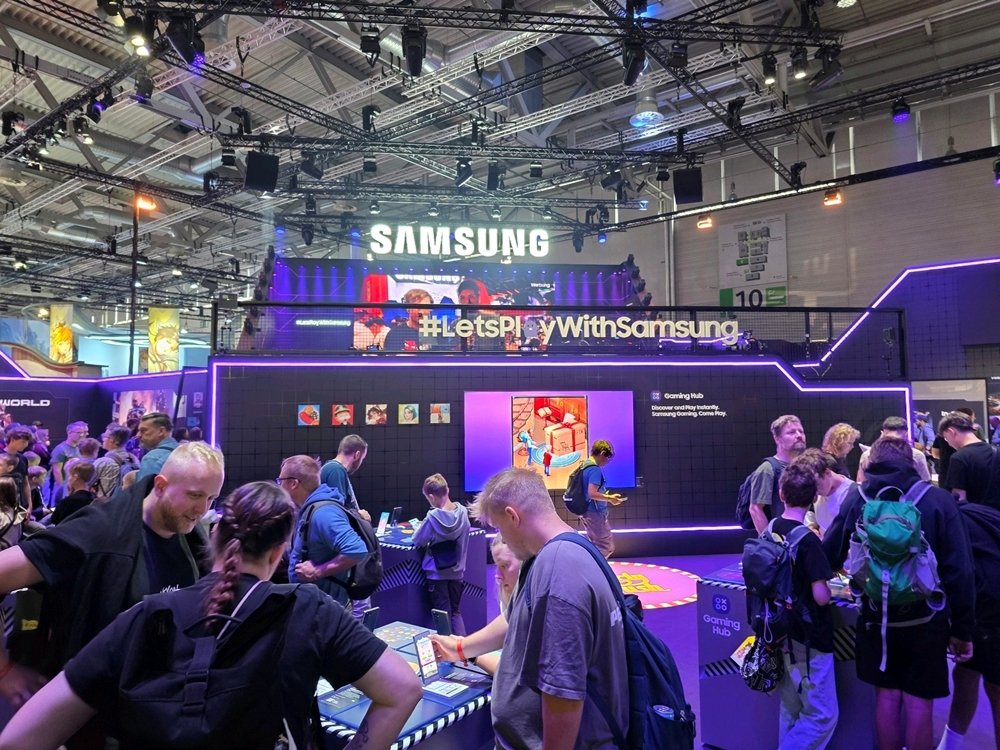
Samsung Electronics capped off its Gamescom 2026 presence with the World Final of its #PlayGalaxy Cup, a global mobile esports tournament that reached a new scale this year by shifting into a full regular league format for the first time. The final, held August 27 and 28 at Samsung’s exhibition booth during the broader Gamescom event at Koelnmesse in Cologne, Germany, saw a Malaysian squad claim the championship after a season-long competitive run that began back in February.
Now in its sixth year, the #PlayGalaxy Cup has grown from a standalone showcase event into something closer to a genuine esports league, with regional qualifiers feeding directly into a single global championship. This year’s competition kicked off with a Global Open event held in San Francisco on February 26, an occasion Samsung used to launch the tournament’s new year-long league structure in partnership with PUBG Mobile. From there, regional qualifiers ran across five separate territories, North America, Southwest Asia, Southeast Asia, Central and South America, and Europe, drawing a total of 32 teams representing 17 different countries into the competitive pool.
The top two teams from each of those five regions, ten squads representing nine countries in total, advanced to the World Final held during Gamescom’s main event week. That structure marks a meaningful departure from previous editions of the tournament, which had typically run as more compact, standalone events rather than a sustained competitive season spanning several months and multiple continents. Samsung’s decision to restructure the tournament this way reflects a broader push within the mobile esports space to build more durable, ongoing competitive ecosystems rather than one-off exhibition matches, a model that more closely mirrors how traditional PC and console esports leagues have operated for years.
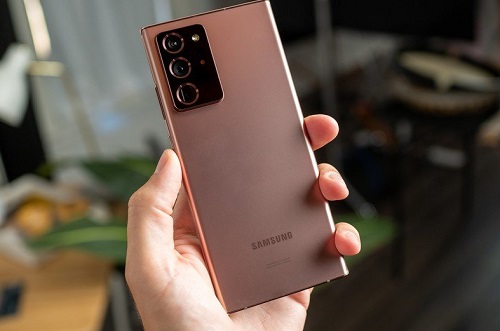
Every finalist competed using the Galaxy S26 Ultra, Samsung’s current flagship smartphone, putting the device through an extended stretch of high-intensity competitive gaming in front of both a live Gamescom audience and a substantial global online viewership. According to Samsung, the phone’s processing performance and thermal management were specifically built to sustain stable, immersive gameplay through exactly this kind of prolonged, high-pressure use case, the sort of scenario that tends to expose whether a smartphone’s marketed gaming credentials hold up under genuinely demanding conditions rather than a brief demo.
The championship itself was livestreamed globally through the YouTube channel of streamer Ludwig, who also hosted the World Final proceedings directly from Samsung’s Gamescom booth. That stream drew a combined total of 12.1 million views, a figure that underscores just how much reach mobile esports content can command when paired with an established streaming personality and a competitive format built around a genuinely popular title. PUBG Mobile, the game featured throughout this year’s league, has crossed 1.75 billion total downloads across all its regional variants as of earlier this year and has distributed more than 100 million dollars in competitive prize money over its history, making it the first mobile title to reach that particular milestone and giving Samsung’s tournament a built-in audience already deeply invested in the game’s competitive scene.
Malaysia’s winning roster, San Gaming, VRT1CAA, ADIKBOY and ACAD, took the championship trophy after the tournament’s second and final day of competition, capping a run that began with their qualification through the Southeast Asia regional bracket months earlier. Kiwook Moon, head of the Influencer Marketing Group within Samsung Electronics’ Mobile eXperience Division, described this year’s shift into a full league format as allowing gaming fans around the world to follow the entire competitive arc, from the earliest regional qualifiers through to the climactic World Final, rather than only tuning in for a single isolated event. Moon added that Samsung intends to keep offering diverse gaming experiences globally, framing the tournament’s continued growth around the company’s broader push to showcase Galaxy hardware’s mobile gaming performance credentials.
Beyond the tournament itself, Samsung used its Gamescom footprint to run a broader Galaxy experience zone at the venue, giving visitors hands-on access to try a range of Galaxy devices, including the company’s foldable lineup, in various gaming-oriented demo setups. That combination of a marquee competitive tournament alongside a hands-on product showcase reflects a fairly deliberate strategy on Samsung’s part, using esports as a proof point for hardware capability while simultaneously giving Gamescom’s massive attendee base direct physical access to the devices being showcased in competition.
The broader significance of Samsung’s approach here extends beyond a single tournament win for one regional team. Mobile esports has historically carried outsized popularity across Southeast Asia and China while remaining something closer to a secondary category within North American and European gaming culture, where PC and console esports have traditionally dominated attention and sponsorship dollars. Running a global final at one of the world’s largest gaming conventions, alongside a Western streaming personality commanding a substantial international audience, represents a deliberate attempt to build broader legitimacy for competitive mobile gaming in markets where it has historically struggled to command the same cultural weight it already holds elsewhere.
With the 2026 season now complete and Samsung having proven out its expanded league format across five regions and nine countries, the more interesting question heading forward is whether this structure becomes a permanent fixture of Samsung’s mobile gaming strategy or an experimental format the company continues refining in future years. Given the scale of viewership this year’s final generated and the growing global infrastructure already built around PUBG Mobile’s competitive scene, there’s a reasonable case that Samsung has found a genuinely repeatable model for demonstrating its flagship hardware’s gaming performance to audiences who might otherwise never encounter a traditional smartphone marketing campaign.
Full tournament details and results are available through Samsung’s official Global Newsroom. For more coverage of gaming hardware and esports developments, visit Business Tech.