|
Getting your Trinity Audio player ready...
|
Albert Einstein on Why Simple Work Satisfies Us More Than Complicated Success
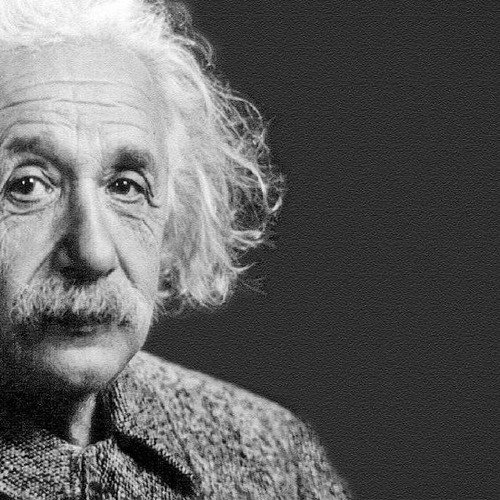
Most people associate Einstein with the theory of relativity, not with firewood. Yet this small, almost playful remark carries one of his most practical observations about human nature. It has none of the fame of “imagination is more important than knowledge,” and it rarely appears on inspirational posters, but it quietly explains something that shows up in offices, startups and homes across Lagos every single day: people crave visible progress, and they grow restless when they cannot see it.
The story behind the quote
Unlike the physics that made him famous, this line did not come from a lecture hall or a scientific paper. It belongs to the more human, offhand side of Einstein, the observations he made about ordinary life rather than the universe. Historians of his quotations note that Einstein was fond of drawing simple, almost domestic comparisons to explain complex ideas about motivation and satisfaction. Chopping wood was, for him, a stand-in for any task where cause and effect are easy to see: you swing the axe, the log splits, and the pile of firewood grows in front of you. There is no ambiguity about whether the work is paying off.
That contrasts sharply with the kind of work Einstein spent most of his life doing. A physicist can labour for years on a theory with no guarantee it will ever be proven, let alone understood by anyone outside a small circle of experts. The remark reads almost like a private joke about his own profession, an admission that even a mind built for abstract thought still understood the pull of a task you can finish and see with your own eyes.
What the quote actually means
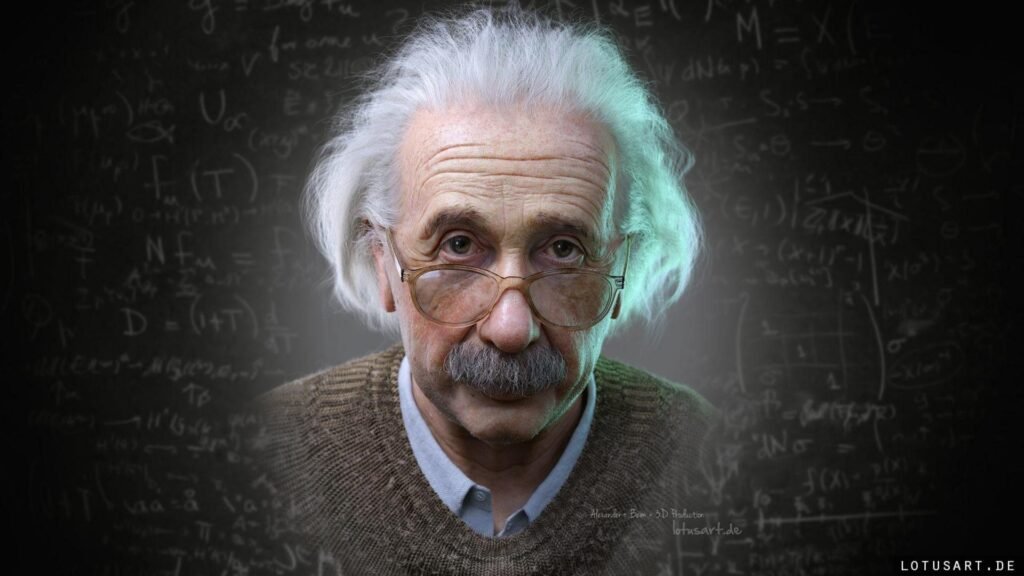
At its core, this is a quote about feedback. Human beings are wired to enjoy work when they can measure their own progress. A pile of split logs tells you exactly how much you have done. A half-finished business strategy, a pending loan application, or a marketing campaign that has not yet shown results does not offer that same comfort, even if it may end up mattering far more in the long run.
Einstein was not saying that simple work is more valuable than complex work. He was pointing out why it feels more rewarding. The satisfaction people chase is not always tied to importance. It is often tied to visibility. This is why a person can spend a whole day on strategic planning and feel drained and unsatisfied, then spend twenty minutes tidying a desk and feel unexpectedly good about it.
Why this idea matters in business today
Nigerian entrepreneurs and professionals live this tension constantly. Building a company, scaling a product, or growing a career rarely offers the instant gratification of chopping wood. Revenue targets take months to hit. Trust with customers is built slowly. A brand does not become recognisable overnight, no matter how much effort goes into it behind the scenes.
This is exactly why so many businesses fall into the trap of chasing visible activity instead of real progress. It is tempting to spend the day answering emails, tweaking a logo, or rearranging a spreadsheet, because these tasks produce something you can point to immediately. Meanwhile, the harder work, the work that actually grows a business, often produces no visible result for weeks. Understanding Einstein’s observation helps explain why so many teams feel busy without feeling productive, and why discipline matters more than motivation when the results are slow to appear.
Applying the lesson without losing sight of the bigger goal
The point is not to avoid long, difficult, low-feedback work. It is to manage the discomfort that comes with it, so that discomfort does not quietly steer decisions toward easier but less meaningful tasks.
Break big goals into visible milestones
A target that takes six months to reach will always feel abstract. Splitting it into weekly or monthly markers gives the brain something closer to a pile of split logs, a way to see that effort is actually accumulating into something.
Separate “busy” from “productive”
Before filling a day with tasks, it helps to ask which of them move the business forward and which simply feel satisfying because they are quick to finish. Both have their place, but only one should dominate the calendar.
Build small feedback loops into long projects
Weekly reviews, short check-ins, or simple tracking sheets can turn an otherwise invisible process into something a team can actually watch move. This keeps morale steady even when the finish line is still far away.
Recognise when the “easy win” is a distraction
Chopping wood feels good precisely because it avoids the harder, murkier work sitting nearby. In business, that harder work is usually the one with the biggest payoff, so it deserves the bulk of the attention even when it resists quick wins.
Other lesser-known Einstein Quotes
- “The difference between stupidity and genius is that genius has its limits.”
- “Never memorise something that you can look up.”
- “A clever person solves a problem. A wise person avoids it.”
- “Nothing happens until something moves.”
The bigger picture
Einstein’s remark about chopping wood is a reminder that satisfaction and importance do not always move together. The most valuable work a person or a business does is frequently the least visible in the short term. Recognising that gap, rather than being ruled by it, is what allows people to keep showing up for slow, difficult work long enough for it to eventually pay off. That, more than any single motivational quote, tends to separate businesses that last from ones that simply stay busy.