|
Getting your Trinity Audio player ready...
|
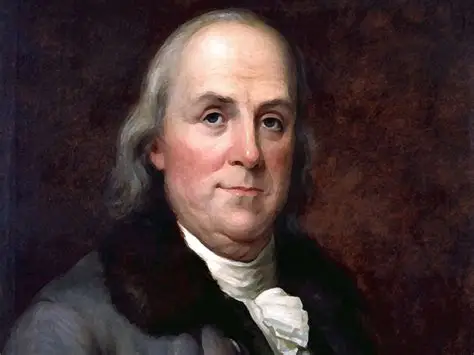
Benjamin Franklin understood the difference between making promises and producing results. His famous statement, “Well done is better than well said,” appeared in Poor Richard’s Almanack in 1737. The message remains relevant to business owners, entrepreneurs and leaders who must turn their words into measurable action.
In business, people often judge success by what an organisation delivers rather than what its leaders promise. A company may announce ambitious plans, promote its values and make bold commitments to customers. However, its reputation depends on the quality of its products, the reliability of its services and the way it treats people.
Franklin’s quote offers a straightforward lesson about execution and accountability. Good intentions matter, but they cannot replace consistent performance. Leaders must demonstrate their commitments through decisions, actions and results.
“Well Done Is Better Than Well Said.
Benjamin Franklin, Poor Richard’s Almanack, 1737
What Does “Well Done Is Better Than Well Said” Mean?
Franklin’s quote means that actions carry more weight than words when people evaluate performance. Speaking confidently about an ambition can inspire others, but actual achievement requires effort, discipline and follow-through.
Consider an entrepreneur who promises customers fast delivery and excellent service. Those promises may attract attention and generate sales. Yet customers will judge the business by whether orders arrive on time and products meet their expectations.
The same principle applies to leadership. A manager may tell employees that their welfare matters, but workers will look for evidence in fair treatment, clear communication and practical support. If the manager repeatedly makes promises without acting on them, trust will decline.
The quote does not suggest that communication is unimportant. Businesses need clear plans, honest explanations and persuasive ideas. Franklin’s point is that words should lead to meaningful action rather than serve as a substitute for it.
Why Business Execution Matters More Than Promises
A business strategy provides direction, but execution determines what the organisation achieves. Companies can spend considerable time discussing expansion, innovation and customer satisfaction without making meaningful progress.
Execution requires leaders to translate broad objectives into specific responsibilities. Teams need clear priorities, appropriate resources and deadlines. They also need a way to measure progress and identify problems before those problems become costly.
For example, a company may decide to improve customer service. That goal becomes meaningful when management trains employees, reduces response times, reviews complaints and fixes recurring problems. Without those actions, the commitment remains a statement rather than an improvement.
Execution also demands consistency. One successful product launch or a single excellent customer experience cannot guarantee lasting success. Businesses must maintain standards across different teams, locations and periods of growth.
Franklin’s advice encourages leaders to focus on what their organisations actually deliver. It asks them to judge progress by results rather than the strength of their presentations.
How Entrepreneurs Can Put the Quote Into Practice
Entrepreneurs often work with limited time, money and staff. They cannot afford to let planning consume the resources needed to serve customers and improve their businesses.
A practical approach begins with choosing a clear objective. Instead of saying, “We want to grow our business,” an entrepreneur can set a measurable target, such as increasing repeat purchases or reducing delivery delays. The owner can then identify the actions needed to reach that target.
Regular reviews help keep the work on track. Entrepreneurs should examine sales, customer feedback, operating costs and other relevant measures. These indicators can reveal whether a strategy works or needs adjustment.
Small businesses can also build trust by keeping their promises. If a seller commits to delivering an order on Friday, the seller should meet that deadline or communicate promptly when circumstances change. Reliability encourages customers to return and recommend the business to others.
Most importantly, entrepreneurs must distinguish activity from achievement. Holding meetings, writing plans and launching campaigns can keep a team busy. However, these activities matter only when they contribute to the outcomes the business needs.
Four Leadership Lessons From Franklin’s Quote
1. Let your actions demonstrate your values
A leader’s values become credible when daily decisions reflect them. A company that claims to value integrity must handle mistakes honestly. An organisation that promotes fairness must apply its rules consistently.
Employees notice the difference between stated values and actual behaviour. When leaders act according to their principles, they build credibility. When their actions contradict their words, people become less willing to trust future commitments.
2. Take responsibility for results
Accountability means accepting responsibility for decisions and outcomes. Leaders should explain what happened, identify the factors that affected performance and take corrective action when necessary.
Blaming employees, customers or market conditions does not solve a problem. External factors can create genuine difficulties, but responsible leaders still examine what they can change.
This approach also applies to employees and entrepreneurs. People strengthen their professional reputations when they acknowledge mistakes, meet commitments and learn from setbacks.
3. Measure progress instead of celebrating promises
Clear measures help businesses distinguish real progress from optimistic claims. A company that wants to improve customer satisfaction can track complaints, response times, repeat purchases and customer feedback.
These measures give leaders practical information for decision-making. They can identify what works, where resources are being wasted and which problems need immediate attention.
Not every valuable result can be reduced to a number. Trust, creativity and employee morale also matter. However, businesses should still seek evidence that their actions are producing the intended benefits.
4. Build trust through consistent delivery
Trust develops when people experience reliability over time. Customers want products that meet expectations. Employees want managers who honour commitments. Business partners want organisations that communicate honestly and fulfil their agreements.
A single successful outcome may create a good impression, but consistency strengthens that impression. Businesses that deliver dependable service give people fewer reasons to look elsewhere.
When a company cannot meet a commitment, honest communication matters. Leaders should explain the problem, provide a realistic update and take responsibility for resolving it.
What Happens When Leaders Say More Than They Do?
Leaders who repeatedly make promises without delivering can damage their organisations in several ways. Employees may lose confidence in management, customers may take their business elsewhere, and partners may become reluctant to commit resources.
The damage often develops gradually. A missed deadline may seem minor at first. However, repeated delays can suggest that the organisation lacks effective planning or accountability.
Overpromising can also create pressure inside a business. Employees may struggle to meet unrealistic targets, while managers spend more time explaining missed commitments than improving performance. This cycle can weaken morale and distract the organisation from its priorities.
Leaders can avoid these problems by making realistic commitments. They should assess available resources, understand potential risks and communicate what their teams can reasonably deliver.
When circumstances change, they should update stakeholders rather than remain silent. Honest communication does not eliminate every disappointment, but it helps preserve trust and creates room for practical solutions.
Why This Advice Still Holds True Today
Modern businesses have more ways than ever to promote their plans. Social media, websites, advertising and public announcements allow companies to reach large audiences quickly. Yet visibility does not guarantee performance.
Customers can compare products, share experiences and discuss poor service with other buyers. Employees can also evaluate whether an organisation’s culture matches its public image. As a result, the gap between what a business says and what it does can become difficult to hide.
Technology can support execution, but it cannot replace sound judgement and accountability. A company may invest in advanced software, artificial intelligence or automated systems. Those tools will produce limited value if the business fails to understand its customers or organise its work effectively.
Franklin’s quote remains useful because it places attention on the relationship between intention and delivery. Businesses need good ideas and clear communication, but they must also follow through.
For entrepreneurs, that means serving customers well and managing resources carefully. For managers, it means supporting employees and meeting commitments. For business owners, it means building an organisation whose results reflect its promises.
Conclusion
Benjamin Franklin’s quote, “Well done is better than well said,” reminds business leaders that credibility grows through action. Plans and promises can establish expectations, but delivery determines whether people continue to trust an organisation.
Entrepreneurs can apply this lesson by setting clear goals, measuring progress and keeping their commitments. Leaders can strengthen their teams by taking responsibility for outcomes and aligning their actions with their stated values.
In business, words can open doors, explain a vision and bring people together. Consistent execution is what turns that vision into something customers, employees and partners can trust.