|
Getting your Trinity Audio player ready...
|
Dollar to Naira Exchange Rate Today, October 22, 2026: Official Rate Near ₦1,333.65, Street Dealers Sell Around ₦1,380
The naira is still barely moving at the official window, while the street market continues to ask a premium of roughly ₦45 for each dollar.
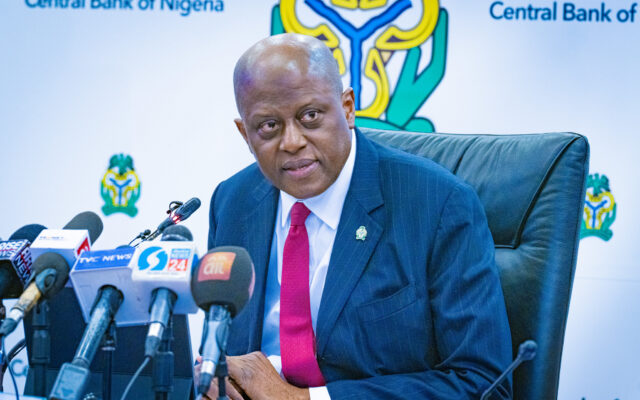
The latest published close in the official market is Tuesday, October 20, when the dollar finished at ₦1,333.65, according to figures attributed to the Central Bank of Nigeria. That was a gain of 11 kobo for the naira from Monday’s close of ₦1,333.76. The previous week’s closes were ₦1,332.59 on October 14, ₦1,331.61 on October 15 and ₦1,332.26 on October 16, so the rate has stayed inside a band of about ₦2 for ten days. Trackers differ slightly on a few dates: one outlet put Friday’s close at ₦1,334.20 and another recorded Tuesday at ₦1,334.99, so readers who need an exact figure should check the Central Bank’s own release. Figures for October 21 and 22 had not been published at the time of writing.
In the parallel market, Bureau De Change operators were quoting about ₦1,365 for buying and ₦1,380 for selling on Wednesday, October 21. Other reports for Tuesday show selling quotes as high as ₦1,390, and one report said the dollar rose from ₦1,360 on Monday to ₦1,365 on Tuesday, an increase of ₦5, or 0.37 percent, in the street rate. The spread between the street selling price and the official rate therefore ranges from about ₦36 to ₦56 depending on the dealer, or roughly 2.7 to 4.2 percent.
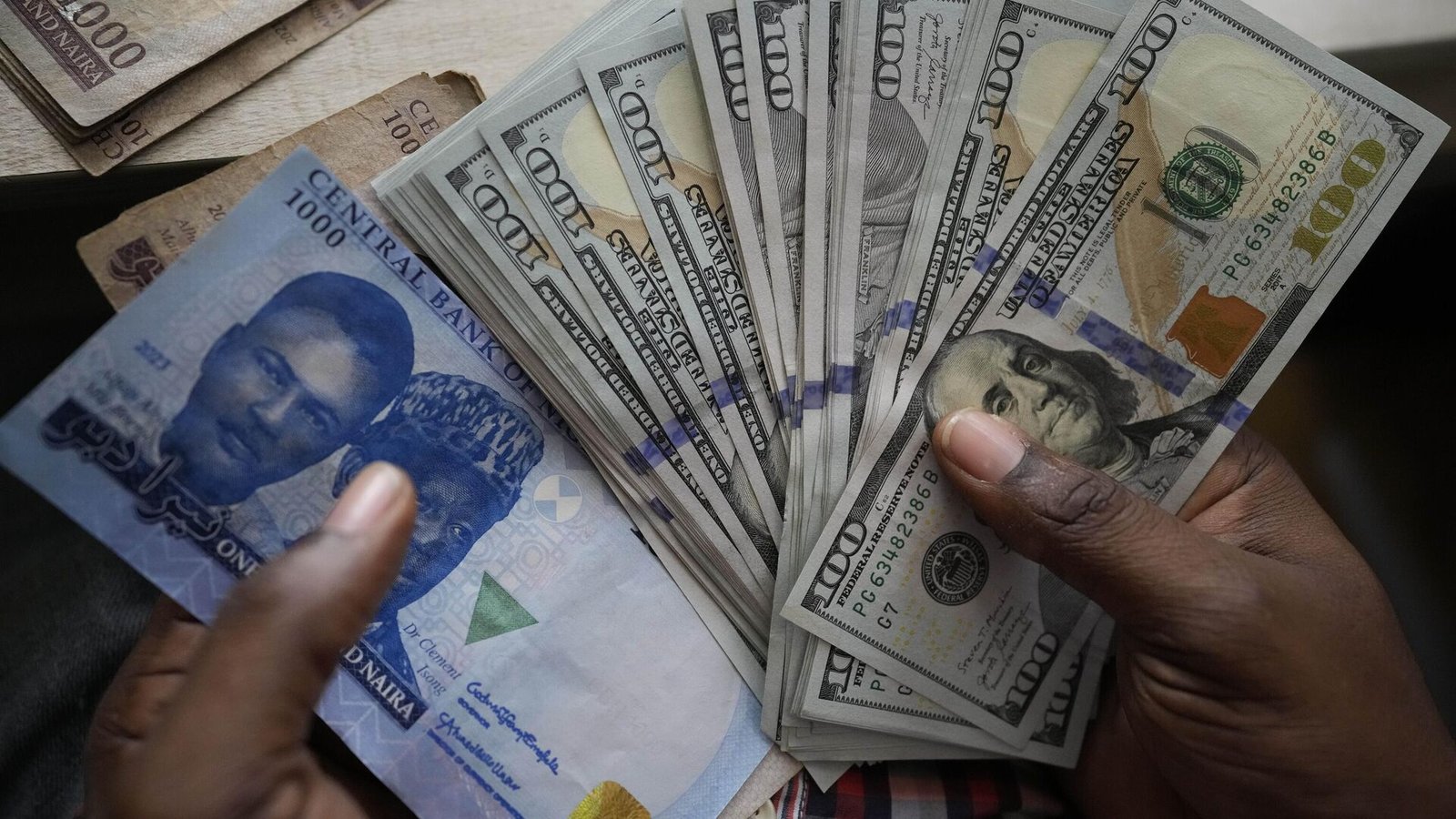
For anyone converting cash, $100 costs about ₦133,365 at the official rate and ₦138,000 at ₦1,380 on the street, while $1,000 comes to about ₦1.33 million officially and ₦1.38 million at the street rate. Banks and licensed operators add their own margins, so the amount actually paid will differ.
Over a longer period, the naira is firmer than it was earlier in the year, with the official rate roughly ₦85 stronger than in January, though it has drifted about ₦4 weaker since the start of October. Market commentary points to the same factors as before: the availability of dollars, import demand and the central bank’s management of liquidity.
What to watch: whether the official rate stays within roughly ₦1,331 to ₦1,336, and whether the street rate holds near ₦1,380 or moves back toward ₦1,390. Quotes change during the day, so compare at least two sources before a large transaction.