|
Getting your Trinity Audio player ready...
|
A burst pipe gets fixed today. A weak pension plan gets postponed for another year. A fire in the kitchen gets everyone’s full attention. A slow decline in soil health, customer loyalty or personal health barely registers at all, until it suddenly does.
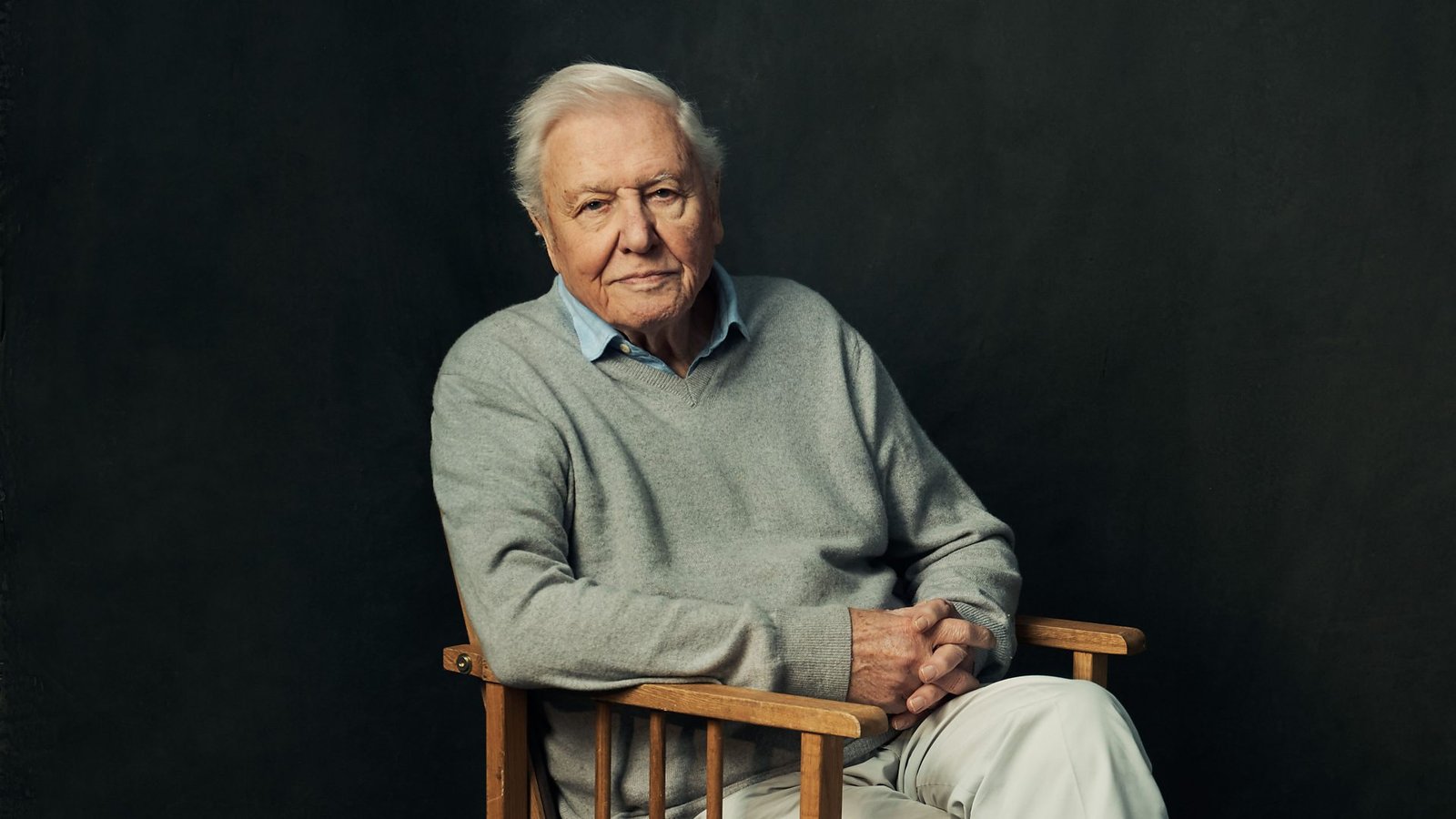
Naturalist and broadcaster David Attenborough was describing this pattern in the context of climate change, but the observation reaches far beyond it. Human attention is wired for whatever is loud and immediate, not for whatever is quietly building in the background. The crisis five years away always loses to the crisis happening tonight, right up until the five years run out.
Here’s where this idea gets genuinely useful. People often assume that whatever feels most urgent must also be the most important thing to deal with. Attenborough’s quote quietly challenges that assumption.
Picture two business owners. One spends every week firefighting: a late supplier, an angry customer, a broken system, all handled quickly and visibly. The other spends part of each week on something less dramatic but far more consequential: building a second revenue stream, training a successor, fixing a process that keeps causing the same problems. The first owner looks busy and important in the short term. The second owner is the one still standing when a real shock eventually arrives. Urgency earns attention by shouting. Importance rarely shouts at all.
Ask What You’re Ignoring Because It Isn’t Loud Yet
Instead of only asking “what needs handling today,” it helps to ask a second, less comfortable question: what slow-moving problem am I avoiding simply because it hasn’t become an emergency yet? Rising costs that haven’t hit crisis levels, a skill gap that hasn’t caused a failure yet, a relationship that’s cooling but hasn’t broken down, these rarely feel urgent until the moment they suddenly are.
One of the quiet costs of long-term thinking is that it doesn’t come with much applause. Nobody throws a party because a disaster didn’t happen. The reward for early action is usually invisible: the crisis that never arrived, the cost that never spiraled, the relationship that never collapsed. That invisibility is exactly why so many people and organisations keep choosing the loud emergency over the quiet one.
If the slow-building problem has already been ignored for a while, that isn’t a reason to keep ignoring it. Every year of delay simply raises the eventual cost, it doesn’t erase the option to act. The real risk isn’t having missed the early window, it’s deciding that because the window was missed, there’s no point starting now.
This isn’t something to fix with one big decision and then forget about. The pull toward the immediate disaster shows up again and again, in weekly priorities as much as major ones. People and businesses that manage this well tend to build a regular habit of stepping back and asking what’s quietly building, rather than waiting for it to become loud enough to demand attention on its own.
More Quotes Worth Knowing From David Attenborough
- “No one will protect what they don’t care about, and no one will care about what they have never experienced.”
- “It seems to me that the natural world is the greatest source of excitement.”
- “An understanding of the natural world and what’s in it is a source of not only a great curiosity but great fulfillment.”
- “There are still so many places and creatures to see, and I still have the great curiosity about them that I had as a child.”
You don’t need a complete overhaul to live by this idea, you just need to protect a little space each week for the problems that aren’t shouting yet.
At work: are you spending any real time on the risk that could hurt the business in a few years, or only on what’s on fire today?
In business: is there a slow decline, in a customer segment, a process or a market, that keeps getting pushed to next quarter because nothing urgent is forcing the conversation?
In personal life: is there a slow-building issue, in health, finances or a relationship, that you’ve been putting off simply because it hasn’t turned into an emergency yet? The disaster five years away is still avoidable today. It only becomes inevitable once tonight’s disaster has used up all the attention it needed.
Attenborough’s quote challenges a habit most people never notice they have: treating loudness as a stand-in for importance. In reality, the problems that eventually do the most damage are usually the quiet ones that were visible all along, just never urgent enough to win the day’s attention.
Choosing to face the slow disaster doesn’t mean ignoring today’s fires. It means making sure the quiet, important ones get a seat at the table too, which is likely why a lifelong observer of the natural world ended up describing one of the most accurate truths about how people actually make decisions.