
|
Getting your Trinity Audio player ready...
|
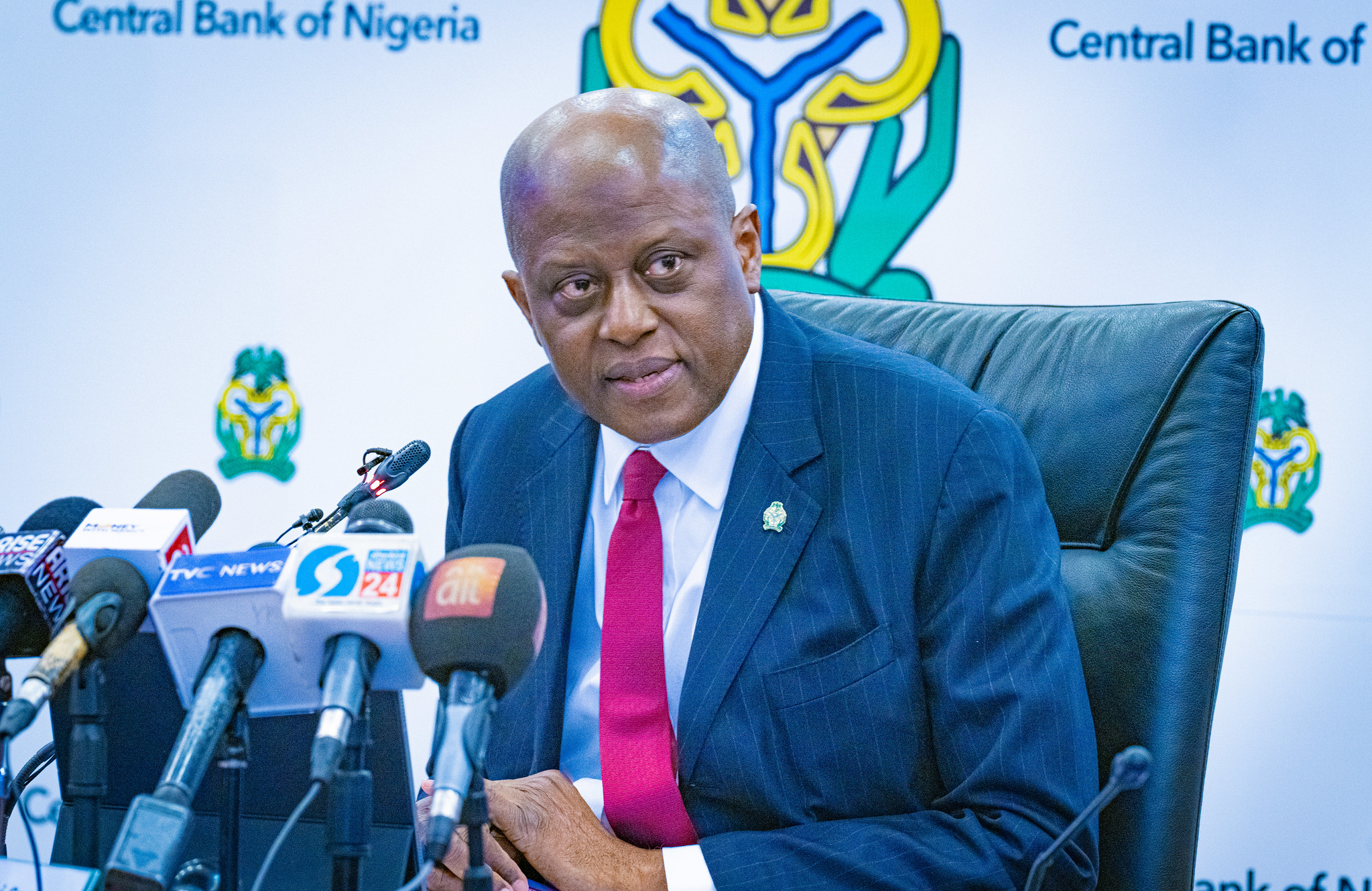
Nigeria’s central bank has put a fresh number on how far the country’s external finances have recovered. Governor Olayemi Cardoso said on Thursday that net foreign reserves have climbed to $46 billion, while gross reserves have reached an all-time high of $55 billion. He made the disclosure at the Nigeria-Asia Connectivity Dialogue, and he linked the improvement to a more stable foreign exchange market, which he said is giving investors the confidence to bring money into the country and take it out again when they choose.
The distinction between the two figures matters. Gross reserves are the total foreign currency assets the Central Bank of Nigeria (CBN) holds. Net reserves subtract near-term liabilities, such as foreign exchange swaps and forward contracts owed to counterparties, and they are widely regarded as a better guide to how much money the central bank can actually use to defend the naira or meet obligations. According to Nairametrics, the net figure is $11 billion above the $34.80 billion reported at the end of 2025, and Economy Post calculated the increase at $11.2 billion, or 32.2 percent. Several outlets describe the $46 billion as a record for net reserves, though the CBN has only published this measure for a short period, so comparisons across long stretches of history should be treated with care.
Cardoso placed the number against the low point of the last few years. He said net reserves stood at about $3 billion in 2023, and that at the height of the foreign exchange crisis they fell below $1 billion. Those figures show how little cushion the central bank had when the naira was under heavy pressure and when parallel market rates were far from the official rate. The $46 billion reading is a different situation entirely, with a buffer large enough to meet short-term obligations and absorb shocks.
The gross figure has been rising steadily. The CBN’s data, as reported by ANNAHDA, shows gross reserves at $54.08 billion on September 3 and $54.61 billion by September 14, which was $12.76 billion higher than a year earlier. The new $55 billion level is above the roughly $51.04 billion the CBN had projected for the end of 2026, which means the target was passed with nearly three months of the year still left. Reserves have risen through most of 2026, supported by stronger capital inflows and, according to the governor’s earlier remarks, by crude oil tax receipts.
What is driving the inflows is the question that investors and economists will ask next. The World Bank’s latest Nigeria Development Update, published this week, said gross external reserves exceeded $54 billion in September, supported largely by portfolio inflows, and that improvements in foreign exchange market functioning followed recent reforms. It also reported a current account surplus of $12 billion, or 7.1 percent of GDP, in the first half of 2026, compared with $8.6 billion, or 6.7 percent of GDP, a year earlier. A surplus means Nigeria earned more from the rest of the world, through exports, services and remittances, than it paid out, which is a healthier source of reserves than borrowing. Higher crude prices have helped, with Brent trading above $100 a barrel this month, though Nigeria’s own oil output of about 1.68 million barrels a day in August limits how much it can capture.
The mention of portfolio inflows deserves attention. These are investments in bonds, treasury bills and stocks, which can arrive quickly when returns are attractive and leave just as fast when conditions change. The CBN has kept interest rates high, which Streamlinefeed’s summary describes as sustained monetary tightening, and that makes naira-denominated assets more appealing to foreign investors. If global yields rise or sentiment sours, the same investors may move their money elsewhere. The US Federal Reserve raised interest rates last month, and the 10-year US Treasury yield has risen above 5 percent, which increases the competition for global capital. This is analysis rather than a statement from the CBN, but it explains why economists tend to look at the composition of reserves as closely as the headline total.
For ordinary Nigerians, the effects are indirect but real. A larger reserve buffer lets the central bank supply dollars to the market when demand spikes, which can reduce volatility in the naira exchange rate. Stability makes it easier for importers to plan, for manufacturers to price goods that rely on foreign inputs, and for businesses to borrow in foreign currency without fearing sudden swings. It also supports Nigeria’s standing with creditors and rating agencies, which can lower the cost of borrowing abroad. Cardoso said stability gives investors the confidence to plan, bring in funds and repatriate capital when necessary, a point that matters for the foreign investors who stayed away after earlier restrictions on moving money out.
The picture is not entirely straightforward. Strong reserves do not automatically lower prices at the pump or in the market. This week the federal government announced a 30-day petrol discount at NNPC stations, and opposition parties criticized it as inadequate, which shows that households are still feeling the effect of high fuel costs even as the macro numbers improve. Inflation, wages and the cost of living are shaped by many factors beyond the reserve level, including food supply, energy prices and exchange rate pass-through. The World Bank also noted in its update that states’ windfall revenues have gone mostly into infrastructure rather than education, another reminder that stronger national finances do not guarantee better services.
There are also questions about how long the trend can continue. Reserves rose in part because of favorable conditions: elevated oil prices, a stronger current account and appealing yields. If oil falls back, if the Fed keeps tightening or if the conflict in the Middle East changes global risk appetite, the inflows could slow. The CBN has said it is seeking deeper and more liquid markets and is courting Asian investors, as Nairametrics reported, which could diversify the sources of capital. Cardoso’s presence at an Asia-focused dialogue fits that strategy.
What to watch next is the weekly and monthly data the CBN publishes on its website, particularly whether gross reserves hold above $55 billion and whether the net figure continues to climb. Analysts will also want to see the composition of inflows, the size of outstanding forward obligations and the evolution of the naira in the official market. Official statements and data are available on the Central Bank of Nigeria website, and Economy Post has a detailed summary of the governor’s remarks in its report on the record net reserves.
Readers who follow Nigeria’s economy, markets and technology stories can find more coverage at BusinessTech Nigeria. The short version is that Nigeria’s external position is the strongest it has been in years, and the next test is whether the strength comes from sources that last.