Deutsche Bank’s €500 million buyback to begin on Tuesday as record profits fuel shareholder returns
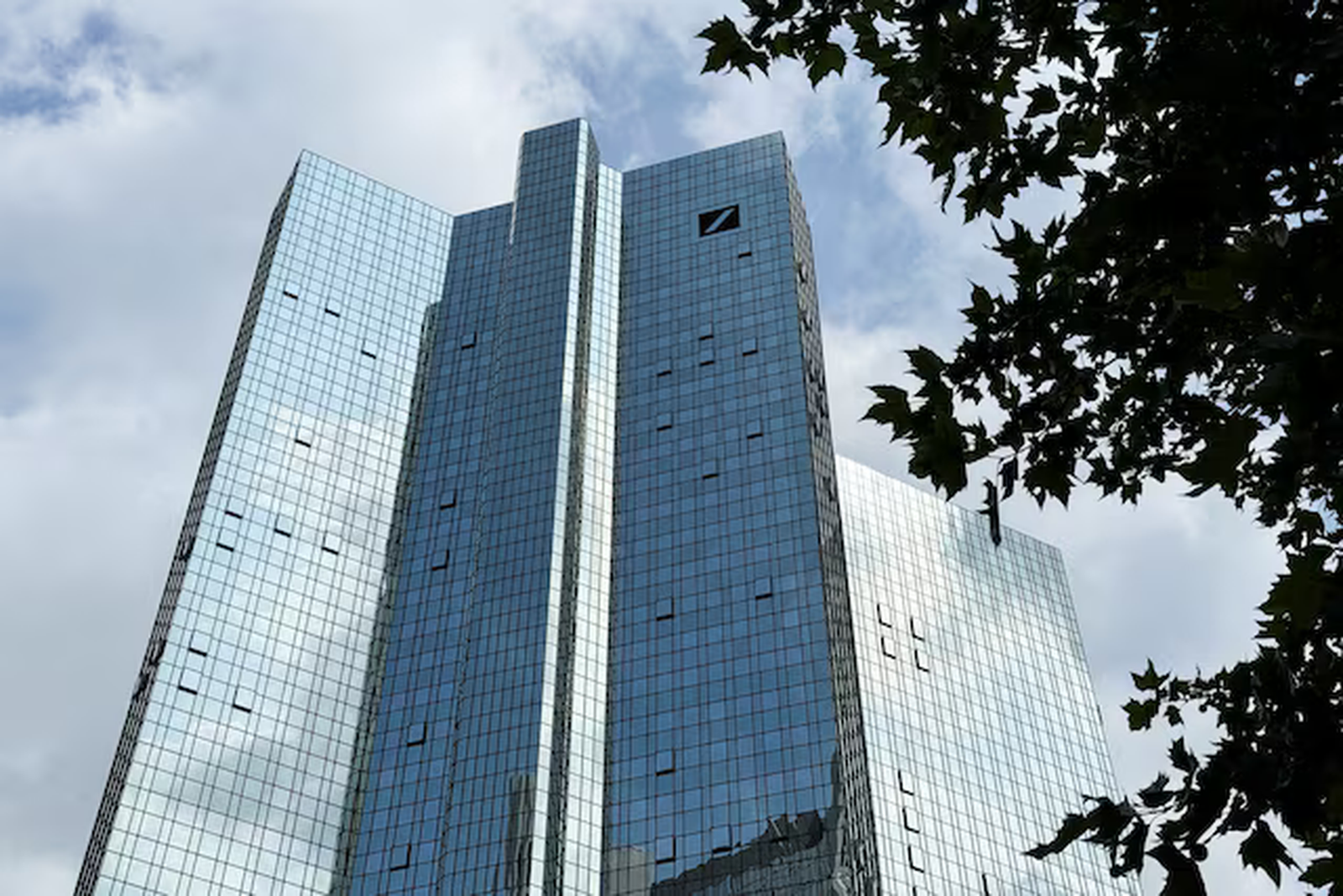
Deutsche Bank is set to launch a new €500 million share buyback program on Tuesday, marking a milestone for Germany’s largest lender as it becomes the first repurchase in the bank’s history funded directly from the current year’s net income rather than prior earnings. The announcement, confirmed Monday in Frankfurt, follows the conclusion of an earlier €1 billion buyback program and arrives on the back of record first-half profits that have reinforced investor confidence in Chief Executive Christian Sewing’s long-running turnaround strategy.
The new program, approved by the European Central Bank and greenlit by Deutsche Bank’s management board, will run from Tuesday through no later than December 11, 2026, subject to regulatory approval remaining in place. Under its terms, the bank will repurchase shares worth up to €500 million, excluding transaction costs, capped at no more than 50 million shares. Any shares bought back under the program will be cancelled outright, reducing Deutsche Bank’s overall share capital rather than being held in reserve for other corporate purposes such as employee compensation.
What makes this particular buyback notable isn’t just its size, but its funding source. Sewing described it during the bank’s second-quarter earnings call as the first time Deutsche Bank has executed a repurchase using profits generated within the same calendar year, rather than distributing capital built up from prior periods. He called the move a clear signal of the earnings momentum and confidence the bank has built through the first half of 2026, a framing that reflects just how dramatically the lender’s financial position has shifted after years of restructuring following its post-financial-crisis struggles.
The numbers behind that confidence are substantial. Deutsche Bank reported a record post-tax profit of €4.1 billion for the first half of 2026, with second-quarter net revenue climbing 9 percent year over year to €8.5 billion, marking the bank’s twentieth consecutive quarter of revenue growth. Second-quarter net income after tax reached €1.85 billion, another record for the period, while net interest income for the quarter came in at €4.549 billion. Basic earnings per share for the first half stood at €1.65, with diluted earnings per share at €1.63. The bank’s core capital position remained solid throughout, with a common equity tier one ratio of 13.9 percent, giving Deutsche Bank ample room to return capital to shareholders without compromising the balance sheet strength regulators expect from a systemically important lender.
Much of that performance was driven by the Investment Bank division, which posted a 19 percent jump in revenue for the period, powered by a record quarter in fixed income and currencies trading alongside a 36 percent surge in investment banking and capital markets fees. All four of the bank’s major divisions delivered returns on tangible equity of 12 percent or higher during the period, a sign that the growth wasn’t concentrated in a single business line but spread relatively evenly across Deutsche Bank’s operations. Assets under management also grew sharply, rising 16 percent to €1.92 trillion, supported by a record €56 billion in net inflows during the first half, evidence that the bank’s asset management and wealth businesses are attracting fresh client money at a pace that outstrips much of its European peer group.
Deutsche Bank has reiterated that it remains on track to hit its full-year revenue target of roughly €33 billion for 2026, alongside guidance that net interest income should slightly exceed €14 billion for the year. Management has also pointed to a longer-term target of achieving returns on tangible equity above 13 percent by 2028, a benchmark that would put the bank firmly in line with, or ahead of, many of its larger international competitors after years of trailing them on profitability metrics.
The buyback itself fits into a broader capital return framework the bank has committed to, targeting a 60 percent payout ratio to shareholders through a combination of dividends and share repurchases. Deutsche Bank had completed nearly €943 million of its prior €1 billion buyback program before Tuesday’s new phase begins, continuing a pattern of consecutive, overlapping repurchase programs that stretches back several years. The bank’s most recent completed programs included a €750 million buyback that ran from April to September 2025, during which nearly 30 million shares were acquired at an average price of €25.58, and a smaller €250 million program that followed immediately afterward, running from mid-September to late October 2025.
Deutsche Bank, said on Monday that its new €500 million ($583.35 million) share buyback program will begin on Tuesday.
It follows a €1 billion share buyback that has been concluded.
Investors have responded favorably to the combination of record earnings and the fresh buyback announcement, with Deutsche Bank shares showing a 30-day return of nearly 6 percent and a 90-day return approaching 18 percent in the weeks following the results, even though the stock remains down slightly on a year-to-date basis. Longer-term shareholder returns paint an even stronger picture, with the one-year total shareholder return sitting above 11 percent and multi-year returns significantly higher, reflecting the market’s gradual reassessment of Deutsche Bank’s trajectory after a stretch of underperformance relative to Wall Street rivals and even some European peers.
Analysts covering the stock have generally framed the buyback as a continuation of an increasingly credible capital return story rather than a dramatic shift in strategy, though some caution that the near-term swing factors for Deutsche Bank’s profitability, including rising loan loss provisions and exposure to U.S. commercial real estate, remain worth watching closely even as the headline earnings and buyback news dominate the conversation. Still, for a bank that spent much of the past decade fending off questions about its long-term viability, the ability to fund a shareholder buyback entirely from a single year’s profit, and to do so alongside record revenue, marks a symbolic turning point that Sewing and his management team have been working toward since the earliest stages of the bank’s restructuring.