|
Getting your Trinity Audio player ready...
|
ColorOS 17 Launch Set for September 17 as OPPO Promises Its Biggest Design Overhaul Yet
The countdown that’s been building across OPPO, OnePlus and Realme communities online is finally almost over. ColorOS 17 officially debuts on September 17, 2026, at OPPO’s annual Developer Conference in Zhuhai, and based on what’s leaked out through closed beta builds over the past few weeks, it’s easy to understand why anticipation has been running high. The update represents one of the more significant visual and structural shifts the software has seen in years, and it’s arriving alongside a fresh flagship lineup that will be the first devices to ship with it out of the box.
The event kicks off at 10am local time in Zhuhai, with the main ColorOS 17 keynote running from 10:00 to 11:20am before shifting into six breakout sessions covering topics like gaming technology, health and fitness features, and OPPO’s broader smart service ecosystem. For anyone tracking the Chinese-language rollout specifically, OPPO’s official Weibo account has pinned the software’s actual launch moment at 10:00pm China Standard Time that same day, which works out to roughly 7:30pm in India. Built on Android 17, ColorOS 17 marks a notable structural shift too: this is the version where OPPO folds OxygenOS and Realme UI into a single unified platform, meaning OnePlus and Realme devices will run ColorOS going forward instead of their previously distinct software identities.
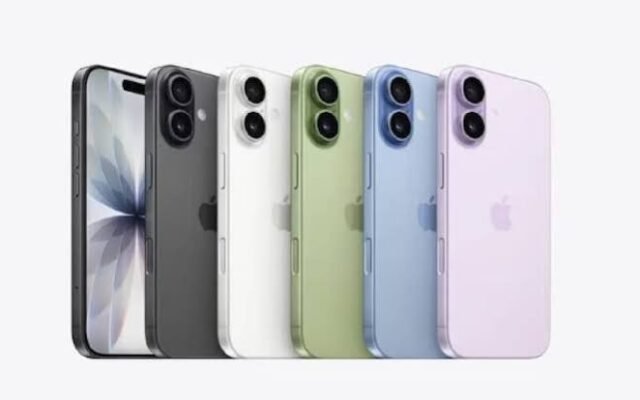
Visually, the changes leaning hardest into what’s been generating buzz online are the fluid motion design and a new floating, capsule-style navigation bar that appears across the system rather than being confined to the home screen. OPPO has been showing off elements of this in teaser posts for weeks, and it’s drawn frequent comparisons to Apple’s design language, particularly the frosted-glass, translucent aesthetic and rounded interface elements reminiscent of iOS 26’s Liquid Glass treatment. The navigation bar now shows up consistently across built-in apps including Phone, Contacts, Clock, Files, Notes and Recorder, with users able to swipe left or right to move between sections. OPPO has also built in what it calls flexible feedback, where interface elements visibly stretch, compress and bounce back in response to touch rather than reacting with a flat, instant snap.
Other design touches spotted in beta testing include a redesigned Control Center with fully circular controls, an updated lock screen clock offering three font styles paired with a frosted-glass treatment and a subtle glowing contour effect, and a lock screen PIN entry animation that glows as digits are entered. The flashlight interface has been reworked with an iOS-style brightness slider you adjust by swiping up or down directly on the screen, and the Phone app gets a redesigned call interface with a larger end-call button and more customization options. App search has also shifted to a list view rather than the grid-style results OPPO previously used.
Beyond the visual layer, OPPO is making specific performance claims that go further than the usual vague “smoother and faster” marketing language. The company says ColorOS 17 delivers around 35 percent better overall system fluidity, roughly 20 percent faster app cold-start times, and a 50 percent increase in how many background apps the system can keep active simultaneously without killing them. If those figures hold up under independent testing once the software actually ships, it would represent a meaningfully more responsive experience than ColorOS 16, particularly for anyone who tends to run several apps in the background throughout the day rather than force-closing everything.
One feature that Android users on other skins have been waiting years for is also reportedly landing here. With Google having recently added native AirDrop-style support into Quick Share at the platform level, ColorOS 17 is expected to inherit that functionality, meaning cross-platform file sharing between OPPO phones and iPhones should finally work more seamlessly without needing a third-party workaround.
The rollout scale is also worth noting. Once ColorOS 17 goes live, OPPO says it will eventually reach more than 130 device models spanning OPPO, OnePlus and Realme, though the update will roll out in stages rather than all at once. On the OPPO side, the Find series is expected to receive it first, followed by the Reno line, then the K series and A series. OnePlus is expected to prioritize its numbered flagship series and the Open foldable line first, with the Nord and N series following later, while Realme is set to push the update to its GT series first, ahead of its Number series, Narzo and P series devices.
Tying directly into the software launch is new hardware. OPPO is using the same September 17 event to unveil its Find X10 series, which will be the first phones to ship running ColorOS 17 by default. Reporting points to three models in the lineup: a standard Find X10 with a more compact 6.59-inch 1.5K display, an 8,000mAh battery, and a dual 200-megapixel camera setup covering the main and periscope telephoto lenses; a Find X10 Pro; and a Find X10 Pro Max sitting at the top of the range with a larger display, MediaTek’s Dimensity 9600 Pro chipset, and an even more ambitious camera system built around three separate 200-megapixel sensors covering the main, ultrawide and telephoto positions, a configuration OPPO has already confirmed makes it the first smartphone with that specific setup.
As with any pre-launch cycle built heavily on beta leaks and teaser posts, some final details around exact features, eligible device lists and regional rollout timing could still shift before the keynote actually happens. But between the design overhaul, the unification of three separate software skins into one platform, and a flagship phone launch happening on the same stage, September 17 is shaping up to be one of OPPO’s more consequential software and hardware events in recent memory, and it’s easy to see why anticipation has been building steadily in the weeks leading up to it.