
|
Getting your Trinity Audio player ready...
|
A small Barcelona theatre has run into an unexpected obstacle while trying to sell tickets to a play based on one of the most influential feminist essays of the 20th century: Meta’s own advertising algorithm. Teatre Raval, a newly reopened 193-seat venue, found its Instagram and Facebook promotional campaigns for a stage adaptation of Virginia Woolf’s “A Room of One’s Own” rejected outright, after Meta’s automated systems classified the production’s feminist themes as restricted political and social content.
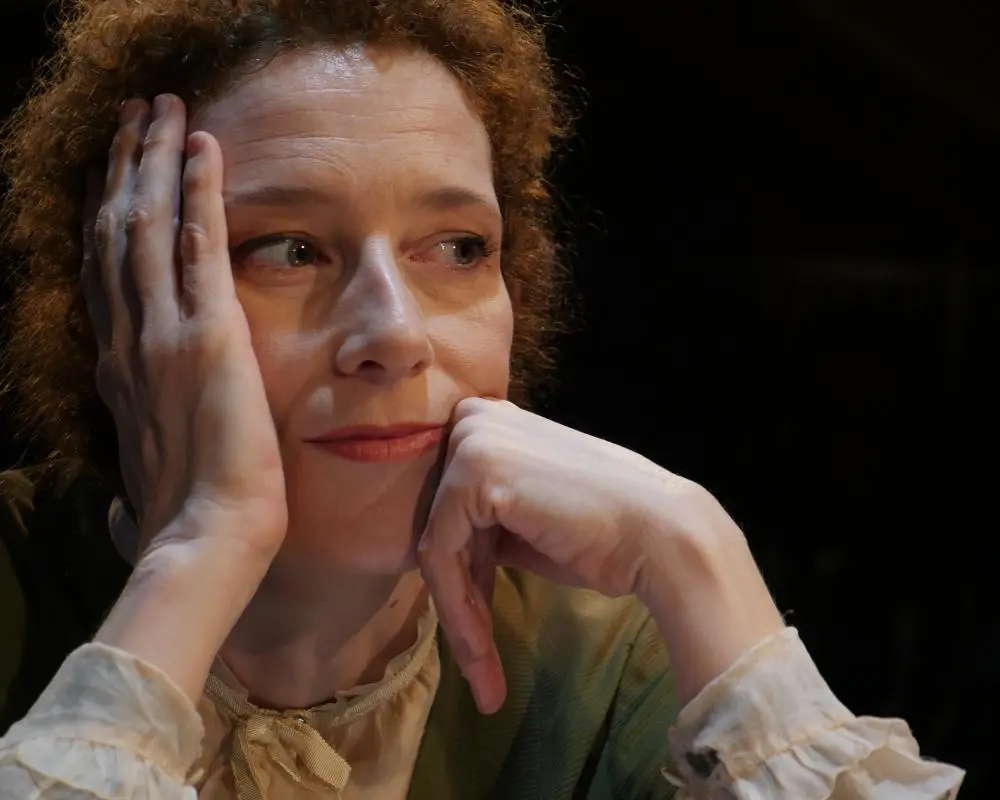
The play, a one-woman production starring actor and producer Clara Sanchis, is based on the extended essay Woolf published in 1929, itself adapted from a series of lectures she delivered at Cambridge the year before. The essay’s central argument, that a woman needs money and a room of her own if she is going to write fiction, has been taught in literature and gender studies courses for nearly a century and is widely regarded as a foundational feminist text. That history did little to help Teatre Raval when it tried to run paid promotion for the show, according to The Guardian, which first reported the rejection.
When the theatre pressed Meta for an explanation, the response it received was strikingly candid about how the company’s automated moderation actually works. Meta told the venue that any mention of civil rights, feminism or social reform, themes the company itself acknowledged sit at the center of Woolf’s work, are typically classified as “social topics” by its automatic filtering system and blocked accordingly. Meta went on to recommend that the theatre simply remove the offending “key words” from its ad copy so the promotional text would no longer appear to encourage activism, a suggestion that effectively asked the venue to scrub feminist language from marketing for a play explicitly about feminism.
The restriction traces back to a broader policy Meta adopted in October 2025, when the company stopped allowing political, electoral and social issue advertising across the European Union entirely rather than continuing to navigate the EU’s regulatory requirements for that category of content. According to discussion on Hacker News regarding the incident, that blanket approach reflects a straightforward cost calculation on Meta’s part, the compliance burden associated with accepting and properly labeling political advertising within the EU outweighs whatever advertising revenue that category would otherwise generate, so the company’s systems simply filter out anything that resembles political or social content rather than attempting to sort legitimate cultural promotion from genuine political campaigning.
That blunt, catch-all filtering approach is precisely what caught Teatre Raval’s campaign in its net. Because the advertisement targeted audiences specifically in Barcelona, it fell under the EU’s advertising restrictions and identity verification requirements, and Meta offered the theatre three paths forward: request a formal review of the decision, complete an authorization process to qualify as a political advertiser, or simply edit the ad to remove any language the platform’s systems might interpret as social or political activism. For a small independent venue promoting a limited theatrical run, navigating a formal political-advertiser authorization process for a stage adaptation of a 1929 essay represents a considerably heavier lift than the promotional campaign was ever meant to require.
Teatre Raval did not take the rejection quietly. In a public statement, the theatre said it felt obliged to speak up about what it called an injustice and a violation of its rights, framing the block as particularly ironic given that it targeted promotion for a feminist work by an author born in 1882. Sanchis, who has performed the piece for roughly a decade, told the Spanish newspaper La Vanguardia that neither she nor the theatre could determine whether the rejection stemmed from Woolf’s name specifically, the word feminism itself, or some combination of both, and argued the episode illustrated how much unchecked power society has handed to social media platforms over what kind of cultural expression gets seen.
The timing of the block added an additional layer of irony that did not go unnoticed by observers following the story. According to Archyde’s reporting, the rejection landed just after the venue had hosted a post-performance discussion featuring actress Vicky Peña and journalist Cristina Fallarás, where guests and audience members openly debated patriarchal attitudes and the ongoing relevance of women’s independent spaces, the very themes at the center of Woolf’s original essay nearly a century earlier.
The episode has drawn attention well beyond Spain’s theatre community, circulating widely across technology and media outlets as a pointed example of how automated content moderation systems, built to efficiently screen enormous volumes of advertising at scale, can end up flattening genuinely different categories of content into the same restrictive bucket. A system designed to catch coordinated political campaigning or election-related messaging ended up treating promotional copy for a canonical literary adaptation as functionally indistinguishable from partisan advocacy, simply because both happened to contain words the algorithm associates with social or political topics.
Meta has not publicly commented beyond the standardized explanation it gave directly to Teatre Raval, and it remains unclear whether the company plans to adjust its automated classification system to better distinguish cultural and artistic promotion from genuine political advertising, or whether similar rejections are likely to continue affecting other theatre productions, book promotions, or cultural events across the EU that happen to touch on topics its filters have been trained to flag. For now, Teatre Raval is left weighing whether to pursue Meta’s formal review process, attempt the political-advertiser authorization route, or simply strip the promotional language of any reference to feminism in order to get its ads approved, an outcome that would mean quietly editing around the very subject the play exists to explore. Continuing coverage of how automated content moderation is affecting cultural and creative industries is available on Business Tech. Additional detail on the incident is available through The Guardian’s original reporting on the story.