|
Getting your Trinity Audio player ready...
|
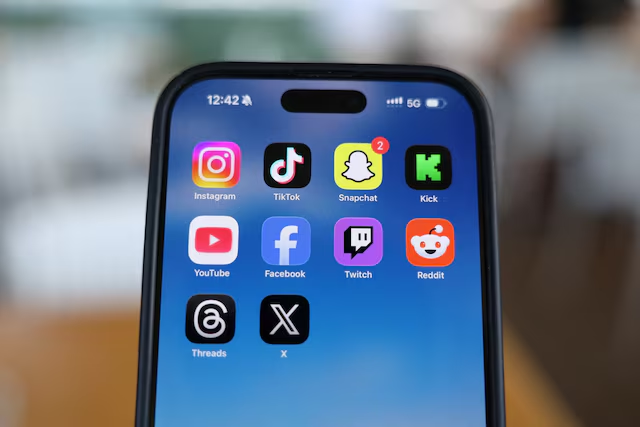
A courtroom in Oakland has become the center of the most consequential legal fight social media has ever faced, as a coalition of states pushes Meta to answer for allegations that it deliberately engineered Instagram and Facebook to hook children and teenagers. The trial, which opened with jury selection last week, marks the first time this sprawling wave of litigation against the company has actually reached a courtroom rather than settling or stalling in pretrial motions.
The case is being heard in the U.S. District Court for the Northern District of California, before Judge Yvonne Gonzalez Rogers, the same judge who presided over Elon Musk’s high-profile lawsuit against OpenAI earlier this year. Opening statements began on August 18, with lawyers representing California, Colorado, Kentucky, and New Jersey leading a bipartisan coalition of 29 states before an eight-person jury. Because the panel functions as an advisory jury rather than one delivering a binding verdict, it will ultimately be Judge Gonzalez Rogers who issues the final ruling, expected sometime around October following a trial anticipated to run six to eight weeks.
At the heart of the case is a straightforward but far-reaching allegation: that Meta knowingly built features into its platforms designed to maximize engagement among young users, understanding the psychological toll this would take, and misrepresented what it knew to the public. According to the complaint, the states argue Meta’s business practices violate the federal Children’s Online Privacy Protection Act, along with a range of state consumer protection laws, and that the company was financially motivated to keep children engaged in order to drive profit. The lawsuit was originally filed in 2023, and this federal trial represents the culmination of years of discovery, depositions, and legal maneuvering.
What makes this trial different from earlier social media cases is the scale of what’s potentially at stake. Meta itself has told the court that the states’ legal theory could expose the company to penalties as high as $1.4 trillion, or force sweeping changes to two of the largest platforms in the world. Legal experts, however, caution against reading that figure as a realistic outcome. Vincent Jorale, an analyst tracking the case, told reporters that the more serious risk to Meta isn’t the financial penalty at all, but the possibility of a court-ordered injunction requiring the company to fundamentally alter product features like infinite scrolling, visible like counts, beauty filters, and engagement-driving algorithms. That distinction matters enormously, because a monetary judgment, however large, is something Meta can absorb and move past, while an injunction reshaping how Instagram and Facebook actually function would ripple through the company’s entire growth strategy.
Meta has mounted an aggressive defense, both on legal and scientific grounds. In court filings submitted ahead of trial, the company argued that social media addiction isn’t a recognized medical or psychiatric condition, and that even if it were, the states haven’t produced evidence showing Meta executives knowingly lied when they denied their platforms were addictive. The company has also leaned on its terms of service as a shield, pointing out in earlier filings that its rules already prohibit users under 13 from creating accounts, and that any harm stemming from underage sign-ups results from a deliberate decision to violate those terms, making such harm reasonably avoidable by the users themselves. That argument has drawn sharp criticism from child safety advocates, who note that age verification on most platforms remains easy to bypass with a false birthdate.
This Oakland trial doesn’t exist in isolation. It sits alongside a rapidly expanding web of litigation targeting Meta over the same core allegations. Eight additional states have filed parallel lawsuits in their own state courts, and Tennessee’s case against the company went before a jury in Nashville in late July, focused specifically on whether design features like autoplay, endless scroll, and push notifications violate the state’s consumer protection law. Separately, roughly 800 school districts have filed their own lawsuits seeking to recover costs tied to counseling services, cyberbullying response, and classroom disruptions they attribute to social media harm among students. Industry observers have started describing this moment as social media’s equivalent of the tobacco industry’s reckoning decades ago, with Meta positioned as the defining test case.
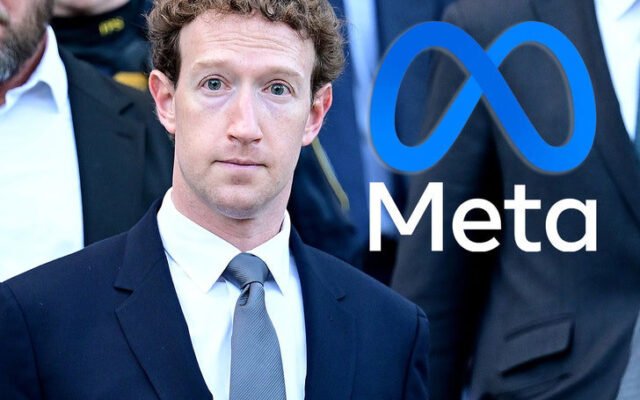
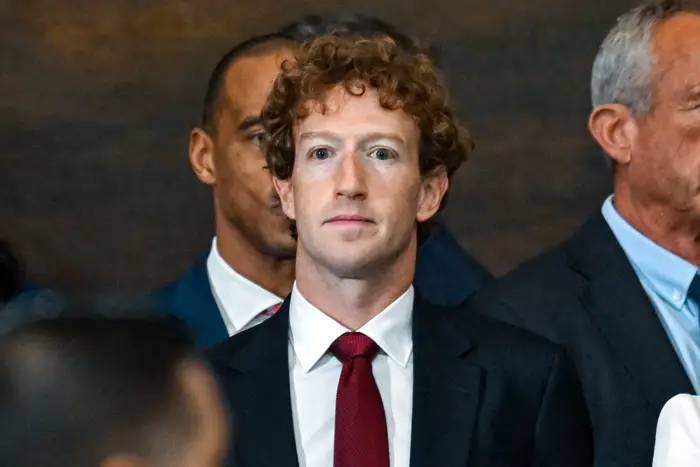
Earlier proceedings have already produced damaging results for the company. In a related New Mexico case, a jury found in March that Meta was aware of vulnerabilities in its safety systems that allowed predators to connect with child users through its algorithms, resulting in a $375 million civil penalty. That case later moved into a second phase, in which a judge ordered Meta to pay an additional $567 million into a fund dedicated to treatment and prevention services for young people affected by its platforms. During that trial, jurors were shown a deposition of Meta CEO Mark Zuckerberg, who was questioned about internal research the company conducted on the negative experiences of young users and how leadership responded to those findings. Zuckerberg has publicly pushed back against the addiction framing, telling the court at one point that fostering compulsive use was not the company’s intention.
Meta is expected to call Zuckerberg to testify again during the Oakland trial, a moment that will likely draw intense media attention given how central his past statements and internal communications have become to the broader case against the company. Whatever the outcome, this trial is shaping up to be a defining moment not just for Meta but for how courts approach product design accountability across the tech industry more broadly. If Judge Gonzalez Rogers sides with the states and orders structural changes to how Instagram and Facebook operate, it could set a precedent that reaches well beyond Meta, influencing how every major platform designs features aimed at capturing and holding young users’ attention.
For now, the trial continues to unfold in Oakland, with testimony expected to stretch into the coming weeks. Techchora will continue following developments in this case alongside the broader wave of litigation targeting Meta, as the outcome here could reshape not just one company’s products but the regulatory and legal landscape facing the entire social media industry for years to come.