|
Getting your Trinity Audio player ready...
|
The Self-Unplugging Charger Going Viral on TikTok, and What’s Actually Behind It
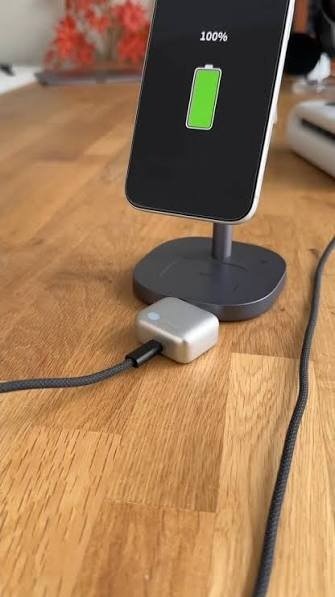
A wave of TikTok videos showing a phone or laptop charger that physically pops itself out of the wall the moment a device hits 100 percent has been racking up views recently, feeding into one of those “why didn’t this exist sooner” gadget trends that periodically sweeps through tech-adjacent corners of social media. The premise is simple enough to explain in a single clip: plug your phone or laptop in, walk away, and instead of sitting on a trickle charge overnight or all day at the office, the adapter mechanically ejects the cable once the battery reaches full charge.
It’s worth being upfront about what this actually is before getting into how it works. This isn’t a single branded product launch from a major electronics company with a formal press event behind it. It’s a category of gadget, sold under various generic and white-label names through marketplaces like Amazon, that’s been picking up momentum primarily through organic and sponsored TikTok content rather than traditional tech press coverage. One widely shared version, listed as a 140-watt USB-C adapter, describes itself using language pulled almost directly from social media captions, branding the physical disconnect as a “patented” feature and pairing it with fast-charging power delivery aimed at laptops as well as phones and tablets. Given how quickly this kind of product spreads across dropshipping and private-label listings once a format goes viral, it’s reasonable to expect multiple near-identical versions circulating under different seller names, with varying levels of build quality and accuracy in their marketing claims.
The underlying mechanism, at least as described in product listings, is a small internal chip that continuously monitors the connected device’s charge level and triggers a physical, mechanical release once it detects the battery has reached full capacity, physically breaking the electrical connection rather than simply cutting power through software. That distinction is the entire selling point. Most modern phones, laptops and tablets already stop actively pulling power once they hit 100 percent, managed by charge controller circuitry built into the device itself rather than the charger. What that software-based cutoff doesn’t do is prevent trickle charging, the small, repeated top-up charges a device receives to hold itself at exactly 100 percent while it remains plugged in, something that happens because a fully charged lithium-ion battery naturally discharges slightly over time even while sitting idle. A mechanically disconnecting charger sidesteps that entirely by removing the physical connection, so there’s no path for any current, trickle or otherwise, to reach the device once it’s full.
Whether that trickle charging genuinely accelerates battery degradation in any way that matters for average daily use is a more nuanced question than viral gadget marketing tends to suggest. Battery researchers have long noted that heat, not trickle charging itself, is the dominant factor behind long-term lithium-ion battery wear, and that modern charge management systems in phones and laptops are generally sophisticated enough to prevent meaningful overcharge stress even when a device sits plugged in overnight for years. That said, keeping a battery at 100 percent for extended stretches, combined with any heat generated during that period, is something battery health guides from manufacturers like Apple and Samsung do flag as a contributor to gradual capacity loss over a device’s lifetime, which is part of why features like Apple’s Optimized Battery Charging and similar Android equivalents exist, delaying the final charge push until closer to when a user typically unplugs their device rather than charging straight to 100 percent overnight.
This isn’t the first time people have tried to solve this particular annoyance either. Long before these auto-disconnect adapters started trending, tech-savvy users on forums like XDA Developers were rigging up their own DIY versions of the same idea using smart plugs, automation apps like Tasker or IFTTT, and scripted triggers tied to a phone’s reported battery percentage, physically cutting power to a wall outlet once a device crossed a set threshold. Those homebrew setups required a fair amount of technical fiddling to configure correctly, which is part of what makes the plug-and-play, off-the-shelf version currently going viral appealing to people who like the idea of the feature but have no interest in setting up automation scripts themselves.
For anyone considering picking one up based on a TikTok clip, the usual caveats around viral gadget trends apply. Products in this exact category are being sold under multiple different brand names with claims that vary in specificity and, in some cases, read closer to marketing copy than independently verified specifications. Checking actual buyer reviews for build quality and confirming a listing’s wattage and compatibility claims against your specific devices is worth doing before purchasing, the same due diligence that applies to any fast-moving, algorithm-driven product trend rather than something backed by a major manufacturer’s own testing and warranty support.