|
Getting your Trinity Audio player ready...
|
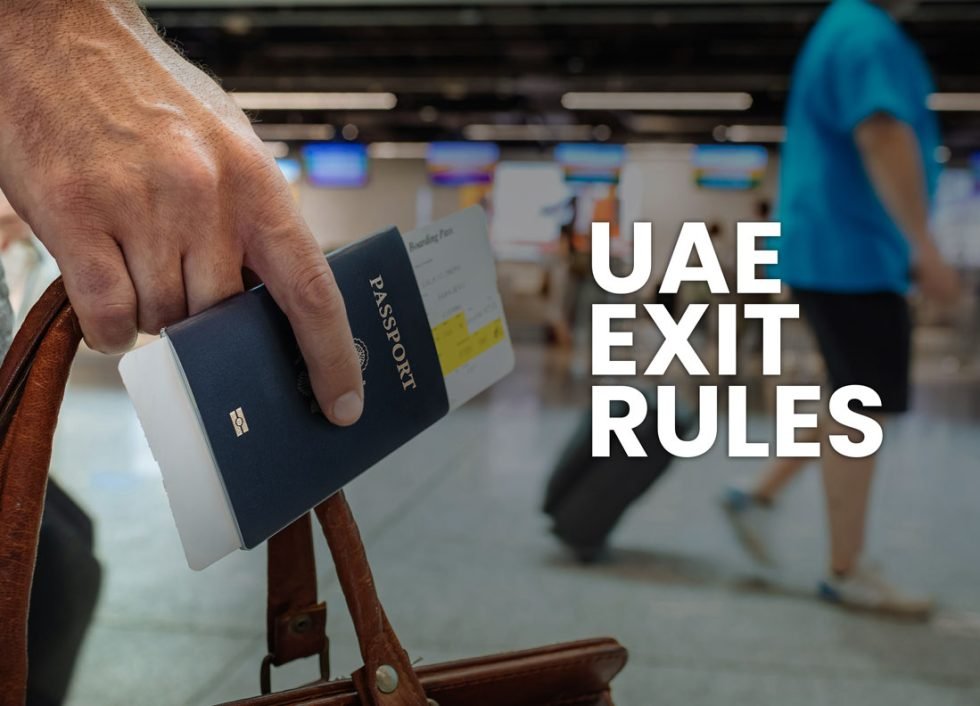
The United Arab Emirates is actively working with foreign governments to get removed from their travel advisory lists, a campaign that comes just as hotel occupancy in Dubai has rebounded to its strongest level since war broke out between the United States and Iran earlier this year. The push reflects how directly government travel warnings still shape tourism flows and airline scheduling months after the most acute phase of regional fighting subsided, even as the underlying security picture in the Gulf remains genuinely unsettled.
The numbers behind Dubai’s recovery are notable given how steep the collapse was at the war’s peak. International overnight visitors to the city reached 869,000 in August, the highest monthly total since February, according to government figures released this week by the Dubai Media Office. Hotel occupancy climbed to 66 percent in August, up sharply from just 36 percent in March, when the conflict was at its most intense and many hotels across the city reportedly fell to single-digit occupancy rates. For comparison, that 66 percent figure still sits below the roughly 89 percent occupancy Dubai recorded in August of the previous year, underscoring that the recovery, while real, has not yet fully closed the gap left by the war.
Issam Kazim, chief executive of the Dubai Corporation for Tourism and Commerce Marketing, spoke with Bloomberg’s Abeer Abu Omar about what’s driving the campaign to get the emirate removed from remaining advisory lists. Kazim framed the recovery in terms of the city’s resilience, telling reporters that the true test of any destination isn’t how it performs when conditions are smooth, but how it holds up through genuinely difficult periods. His broader argument is straightforward and practical: lifting remaining travel warnings would directly encourage international carriers to resume or expand service to Dubai, which in turn would further accelerate the visitor recovery already underway.
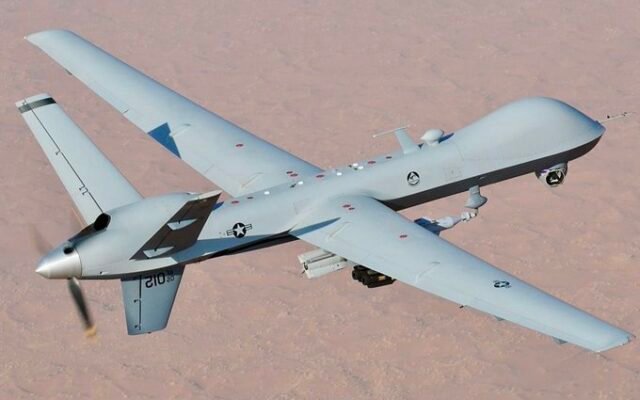
That connection between government advisories and airline behavior isn’t theoretical, and recent history in the UAE makes the link fairly explicit. When the conflict escalated sharply at the end of February, following the onset of hostilities between the United States and Iran, the US State Department ordered non-emergency government personnel and their families to leave the UAE and elevated its own travel advisory to Level 3, citing the threat of drone and missile attacks along with significant disruption to commercial flights. The UK’s Foreign, Commonwealth and Development Office went further at points during the conflict’s most intense weekend, advising British nationals already in the UAE to shelter in place immediately as Iran, the US, and Israel traded strikes across the region. Dubai International Airport itself sustained damage from a suspected Iranian missile during that period, and a fire broke out at the Fairmont hotel on Palm Jumeirah after being struck by debris from an intercepted missile, prompting an evacuation of the Burj Khalifa.
Airlines responded to that environment by pulling back service in ways that have proven slower to reverse than the advisories themselves. Virgin Atlantic suspended flights to the UAE when the war began and, as of a mid-June update, said that suspension would remain in place until winter 2027, a considerably longer timeline than the pace of governmental advisory easing might suggest. British Airways separately said it would not resume flights to the UAE until October 2026. Emirates, the UAE’s flagship carrier, notably continued operating throughout the conflict, giving travelers at least one consistent option even as the broader international schedule into Dubai and Abu Dhabi thinned out considerably.
Government advisories have already begun shifting in the UAE’s favor over recent months, offering a template for what Kazim’s team is now trying to replicate more broadly. Following a US-Iran agreement to halt hostilities, the UK’s Foreign Office lifted its Dubai-specific travel warning, though it maintained caution in its guidance, noting the situation remained unpredictable and that attacks could resume at short notice. Australia similarly lowered its UAE travel advice on June 17 from “Do Not Travel,” its most severe Level 4 classification, down to “Reconsider your need to travel,” a Level 3 designation, citing improved conditions following the US-Iran agreement. That kind of incremental, government-by-government easing is precisely what Dubai’s tourism authorities are now trying to accelerate and broaden, rather than waiting for each country to independently reach the same conclusion on its own timeline.
Complicating that push somewhat, other advisory dynamics in the region have moved in the opposite direction during the same period. Israel’s National Security Council tightened its own travel warning for Israeli and Jewish travelers heading to the UAE, citing escalating concerns about Iranian-aligned groups, Hamas, Hezbollah, and broader jihadist organizations intensifying efforts to target Israeli interests in the aftermath of the war, a shift that included the evacuation of most Israeli diplomatic staff from Abu Dhabi and Dubai. That divergence illustrates how uneven the advisory landscape remains even as the general trend across major Western tourism source markets points toward gradual easing, since different governments are weighing different specific threat categories, general war risk in one case, targeted threats to particular nationalities in another, when deciding how quickly to soften their guidance.
Mark Tanzer, head of the UK’s Association of British Travel Agents, has said he expects continued advisory easing to have a genuinely positive impact on UAE-bound travel, noting that government advice functions as a major factor in whether travelers feel confident enough to book trips in the first place, independent of whatever the actual on-the-ground security conditions happen to be at any given moment. That dynamic explains why Dubai’s tourism authority is treating advisory removal as a distinct, active campaign rather than simply waiting passively for conditions to improve and hoping foreign governments notice on their own timeline.
For Dubai, a city whose economy depends heavily on tourism, hospitality, and its function as a global aviation hub, the stakes tied to this advisory campaign extend well beyond hotel occupancy statistics. Every additional international carrier that resumes or expands service adds capacity that supports the broader recovery Kazim’s figures already show underway, while every advisory that remains in place continues acting as a drag on exactly the kind of traveler confidence Tanzer describes. Whether Dubai’s push to exit remaining foreign travel warning lists succeeds in accelerating that airline return, or whether carriers like Virgin Atlantic continue treating their own operational caution as separate from what government advisories actually say, will likely become one of the clearer indicators of how fully the emirate’s tourism sector recovers heading into the final months of 2026.