|
Getting your Trinity Audio player ready...
|
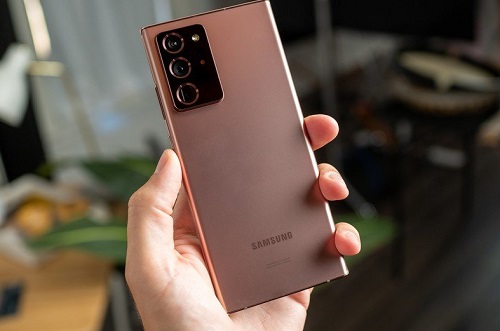
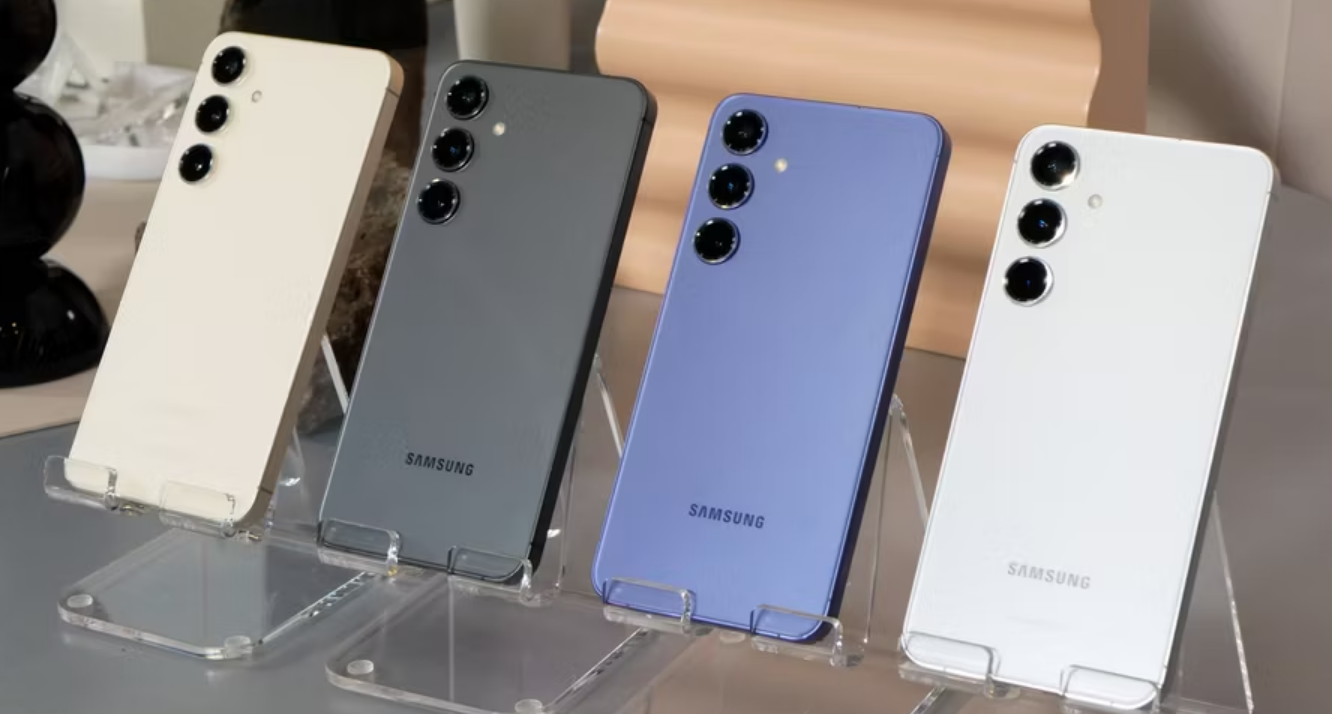
The Galaxy S25 lineup has spent most of this year as the default answer whenever someone asks what the best Android phone is, and for good reason. Samsung backs it with seven years of software updates, a genuinely useful set of Galaxy AI tools and, in the case of the Ultra, a 200-megapixel camera array that remains one of the most versatile on the market. But “best” and “only good option” are two very different things, and a handful of rivals from OnePlus, Google, Xiaomi, Vivo and Honor are now giving Samsung’s flagship real competition, sometimes beating it outright on specific fronts like battery life, charging speed or raw camera performance.
If you’re shopping for a flagship this year and don’t feel locked into the Samsung ecosystem, these five phones are worth cross-shopping against the Galaxy S25 series before you commit.
1. RedMagic 11 Pro
For mobile gaming, the RedMagic 11 Pro is one of the more performance-focused Android phones available. It combines the Snapdragon 8 Elite Gen 5 chip with up to 24GB of RAM and 1TB of storage. Its dedicated cooling system and gaming controls are designed to help the phone maintain high performance during demanding sessions.
2. OnePlus 15
The OnePlus 15 is built around Qualcomm’s newer Snapdragon 8 Elite Gen 5 processor, giving it a performance edge over the Galaxy S25. The phone can also be configured with up to 16GB of RAM and features a large battery, fast charging and a high-refresh-rate display. OnePlus 15 sits at the top of most independent testing lists right now, and it earns that spot honestly. It packs a Snapdragon 8 Elite Gen 5 chip, 16GB of RAM in its base configuration, and a genuinely massive 7,300mAh battery, which dwarfs the 5,000mAh cell in the Galaxy S25 Ultra. Charging is where the gap becomes hard to ignore: OnePlus supports 80 to 100W wired charging and 50W wireless, compared to Samsung’s more conservative 45W wired setup. The triple 50-megapixel rear camera system, paired with a 3x zoom lens, isn’t quite as flexible as the S25 Ultra’s quad-camera array with its dedicated 5x periscope lens, but for most everyday shooting it holds its own, and the phone runs a notably clean version of Android 16 through Oxygen OS with several years of promised updates. Given that it typically undercuts Samsung’s pricing while matching or beating it on raw hardware, OnePlus 15 has become the phone reviewers reach for first.
3. Google Pixel 10 Pro and Pixel 10 Pro XL
Google Pixel 10 Pro and Pixel 10 Pro XL take a different approach, leaning entirely into software rather than spec sheet bragging rights. Both phones run Google Gemini natively throughout the interface, offering conversational AI features that go noticeably deeper than Samsung’s Galaxy AI in terms of contextual understanding and on-device processing. The Pixel 10 Pro’s 6.3-inch display and the Pro XL’s 6.8-inch Super Actua panel are both sharp and color-accurate, and the triple camera system, including a 5x telephoto lens, delivers the kind of computational photography Google has built its reputation on. Reviewers testing the Pixel 10 Pro line have consistently called it a more refined and interesting phone than similarly priced flagships like the Galaxy S25 Plus, with the caveat that Google still has room to sweeten the deal on pricing. For anyone who values Google’s AI ecosystem and long-term software support over raw hardware specs, this is the clearest alternative to Samsung on the market.
4. Xiaomi 15 Ultra
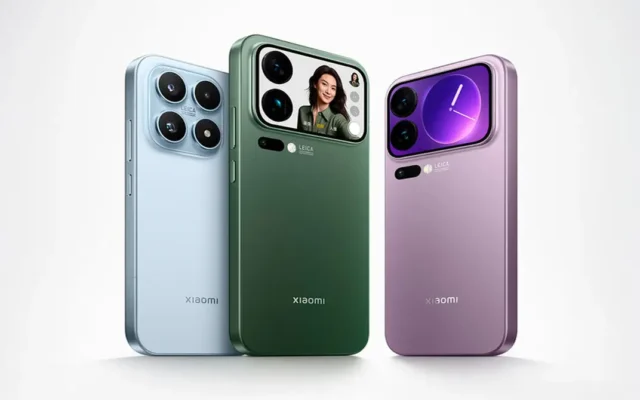
Xiaomi 15 Ultra has quietly become one of the most respected camera phones of the year, and it’s a legitimate threat to the Galaxy S25 Ultra’s crown in that department specifically. Both phones run the same Snapdragon 8 Elite chipset and use similarly sized 1440p+ OLED displays, but Xiaomi’s approach to imaging is different: instead of leaning on resolution the way Samsung does with its 200-megapixel main sensor, Xiaomi uses a massive one-inch main sensor at 50 megapixels alongside dual telephoto lenses covering both 3x and roughly 4.3x optical zoom. Independent testing has found the Xiaomi actually produces better overall photo quality in several scenarios. It also holds a real edge in battery life, with a 6,000mAh cell that outlasted the Galaxy S25 Ultra by well over an hour in active-use testing, and its 90W charging system gets it to a full charge noticeably faster. The tradeoffs are fewer software updates than Samsung offers and the absence of Samsung DeX-style desktop productivity features, but on pure photography and battery performance, the Xiaomi 15 Ultra is arguably the sharper tool.
5. Vivo X200 Pro
Vivo X200 Pro is the sleeper pick on this list, and it deserves far more attention outside markets where Vivo already has a strong retail presence. It ships with a 6,000mAh battery, roughly 20% larger than the Galaxy S25 Ultra’s, combined with 90W wired and 30W wireless charging that leaves Samsung’s charging speeds looking dated by comparison. Its camera setup includes a 200-megapixel periscope telephoto lens with 3.7x optical zoom, a genuinely impressive spec for reaching distant subjects without losing detail, alongside a 50-megapixel main sensor built around a large 1/1.28-inch chip. Testing has shown the Vivo pulling ahead of the Galaxy S25 Ultra in both video playback battery life and general endurance scores. It’s priced competitively too, generally landing under the Galaxy S25 Ultra’s MSRP while offering comparable or better hardware in several key areas, which makes it one of the better value plays for anyone chasing flagship camera performance without paying Samsung’s premium.
6. Honor Magic7 Pro
Honor Magic7 Pro rounds out the list as the phone Honor explicitly built to challenge both OnePlus and Samsung head-on. It runs the same Snapdragon 8 Elite silicon found across this year’s flagship class, paired with a 6.8-inch LTPO OLED display capable of hitting 5,000 nits peak HDR brightness, among the brightest panels available on any phone right now. The rear camera system includes a 200-megapixel periscope zoom lens alongside 50-megapixel main and ultra-wide sensors, giving it a similar photographic toolkit to the Galaxy S25 Ultra on paper. Honor has also leaned into aggressive launch pricing and bundled offers, including free accessories and trade-in discounts, to make the Magic7 Pro a more approachable purchase than its roughly €1,299 starting price initially suggests. It won’t match Samsung’s long-term software support commitment, but as a hardware package built specifically to compete in this segment, it’s a legitimate option for buyers who prioritize display quality and zoom performance.
None of these five phones dethrones the Galaxy S25 outright across every category, and Samsung’s ecosystem integration, update policy and brand trust still carry real weight for a lot of buyers. But the idea that Samsung has no serious Android competition anymore doesn’t hold up once you actually put these phones side by side. Whether you care most about battery life, camera versatility, AI features or simply getting more hardware for less money, there’s now a genuine alternative on this list built to match it. For more in-depth phone comparisons and buying guides, check out Techora’s smartphone coverage before making your next upgrade.