|
Getting your Trinity Audio player ready...
|
Unannounced phones land on Motorola’s Android 17 update list, but actual ones miss out: Android 17 eligible devices and rollout timeline explained
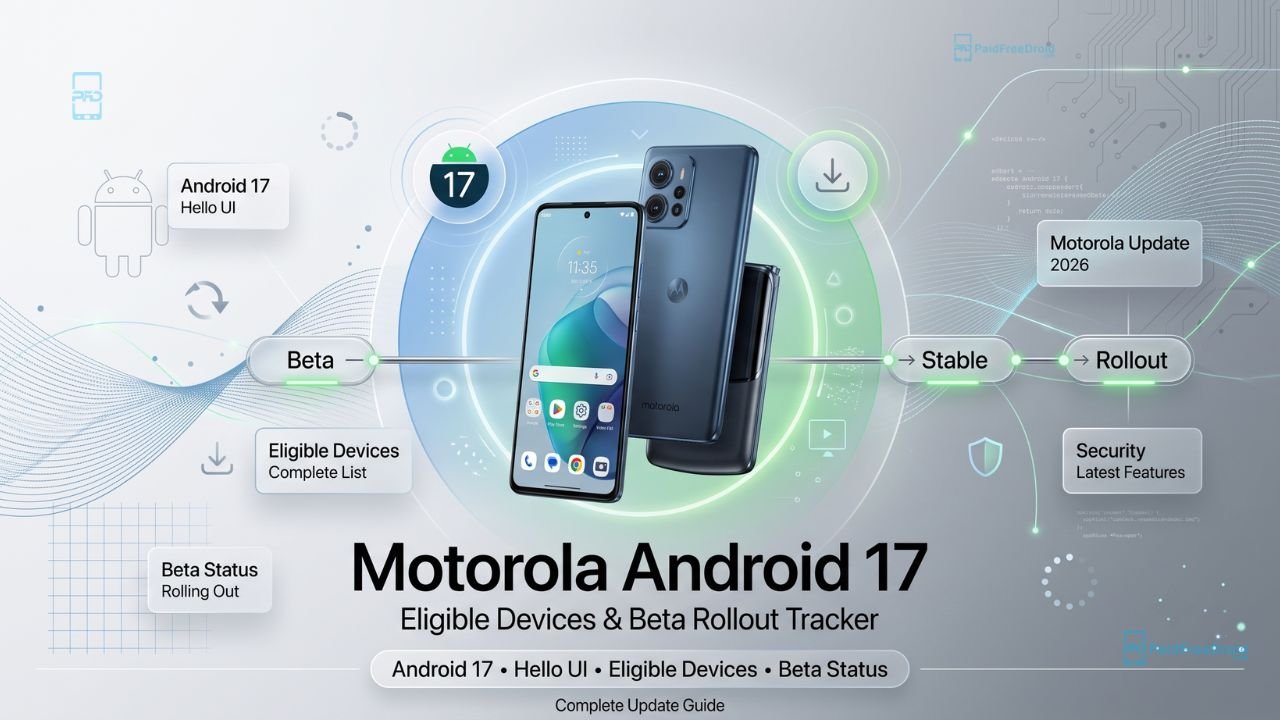
Motorola has finally put its cards on the table for Android 17, confirming a list of more than 50 phones set to receive the update. For a company that spent years being mocked for its update policy, this should be a moment of vindication. Instead, it has turned into a case study in how not to communicate with your customer base, because the list Motorola published contains phones that don’t officially exist yet, while several phones people actually bought are nowhere to be found.
The confirmation came not through a press release or a dedicated announcement, but through a blog post on Lenovo’s Spanish-language site. Lenovo owns Motorola, and this quiet, almost accidental way of revealing update plans has become something of a pattern for the brand. There was no fanfare, no dedicated landing page in English, and no proactive outreach to media. Tech outlets had to piece the story together from a foreign-language corporate blog, which is an odd way to handle what is genuinely good news.
The substance of the announcement is legitimately impressive. The rollout has already begun, with the Motorola Edge 2025 and the Motorola Signature becoming the first devices to receive the stable build. That alone is notable. Motorola beat Samsung to the punch on Android 17, opening its beta program just days after Google shipped the first developer preview, and it became the first non-Google phone maker to move from beta into a public stable release. For a brand whose name was once shorthand for update neglect, that is a real turnaround.
The list itself spans the company’s entire current lineup. The Razr family is well represented, with the Razr 70 series, Razr 70 Ultra, Razr 60 series, and older Razr 50 Ultra all present, alongside foldable models like the Razr Fold 2025 and Razr Fold 2026. The Edge lineup covers everything from the Edge 2025 and Edge 2026 down to the Edge 70 series, including variants like the Edge 70 Pro Plus and Edge 70 Fusion. Budget buyers get coverage too, with the Moto G series appearing all the way down to models like the Moto G37 and Moto G47.
Here is where things get strange. Scattered throughout that list are device names that have never been announced as actual products, at least not yet, in any market. Names like the Razr Ultra 2026, Razr Plus 2026, Razr 2026, Edge 2026, and various 2026-dated Moto G models appear as confirmed recipients of Android 17, even though none of these phones have launched. They read like placeholder entries for future hardware refreshes, phones that Motorola presumably intends to release later this year or in 2027, listed as if they already exist on shelves today.
When Lenovo published the Android 17 eligibility list, users on Reddit and in the comments section of our article mentioned that the following phones were missing:
- Motorola Edge 50: Launched in 2024 with Android 14 and promised up to five major OS updates.
- Motorola Edge 50 Pro: Launched in 2024 with Android 14 and promised up to three major OS updates.
- Motorola Edge 50 Neo: Launched in 2024 with Android 14 and promised up to five major OS updates.
- Motorola Edge 50 Fusion: Launched in 2024 with Android 14 and promised up to three major OS updates.
- Motorola Edge 60 Neo: Launched in 2025 with Android 15 and promised up to five major OS updates.
- Motorola Razr 2024: Launched in 2024 with Android 14 and promised up to three major OS updates.
- Moto G56 5G: Launched in 2025 with Android 15 and promised up to two major OS updates for the 8GB RAM variant.
- Moto G75 5G: Launched in 2024 with Android 14 and promised up to three major OS updates.
Meanwhile, phones that people are actually using right now have been left off entirely. The Edge 50 Neo and Edge 60 Neo, both of which Motorola explicitly promised five major Android version upgrades when they launched, are missing from the confirmed roster. That promise would make them eligible for Android 17 by definition, yet their individual support pages have not been updated to reflect it. The Moto G56 has also gone unmentioned, along with question marks hanging over the Edge 50 Pro. These are not obscure or ancient devices. They are recent, reasonably popular phones whose owners paid for a specific number of years of software support and now have no official confirmation that Android 17 is actually coming their way.
Part of the confusion traces back to how Motorola structures its update communications in the first place. The company does not maintain a single, centralized page listing every device’s update status. Instead, it updates individual product support pages piecemeal, which means journalists and outlets like Android Authority, PhoneArena, and Ytechb have had to manually compile these separate pages into one master list just to get a complete picture. That process is inherently error-prone, and it is entirely possible the missing devices will quietly gain Android 17 confirmation later without any announcement, the same way this whole list surfaced in the first place.
For anyone trying to plan around this, the practical rollout tiering looks fairly predictable. Premium foldables and current flagships are first in line, with the Razr 70 series and Edge 70 lineup expected through August and September. The Edge 60 and Edge 50 families follow in October and November. Moto G owners are looking at a wait stretching into late 2026 or even early 2027, a six-month gap between the earliest and latest recipients of the same operating system version. That tiering is standard practice across the industry, but it is worth knowing if you are holding out for a specific device.
There is a broader point buried in this mess that matters more than any individual missing phone. Software support length has become one of the most important factors in a phone’s actual value over time, arguably more important now than raw specs at launch. Companies like Samsung and Google have leaned into long, explicitly documented update commitments as a selling point, publishing clear tables showing exactly how many years of OS upgrades and security patches a device will get. Motorola, despite genuinely improving its update speed this cycle, is undermining that progress by handling communication so loosely that even devices with contractual five-year promises can’t get a straight answer about their next major release.
For reference, here is the official list from Motorola:
- Motorola Signature
- Motorola Razr series:
- Motorola Razr 70 Ultra
- Motorola Razr 70 Plus
- Motorola Razr 70
- Motorola Razr Ultra 2026
- Motorola Razr Plus 2026
- Motorola Razr 2026
- Motorola Razr Fold 2026
- Motorola Razr Fold 2025
- Motorola Razr 60 Ultra
- Motorola Razr 60s
- Motorola Razr 60d
- Motorola Razr 60
- Motorola Razr Ultra 2025
- Motorola Razr Plus 2025
- Motorola Razr 2025
- Motorola Razr 50 Ultra
- Motorola Razr Plus 2024
- Motorola Edge series:
- Motorola Edge 2026
- Motorola Edge 70 Pro Plus
- Motorola Edge 70 Pro
- Motorola Edge 70 Max
- Motorola Edge 70 Neo
- Motorola Edge 70 Plus
- Motorola Edge 70 Fusion Plus
- Motorola Edge 70 Fusion
- Motorola Edge 70
- Motorola Edge 2025
- Motorola Edge 60 Stylus
- Motorola Edge 60 Pro
- Motorola Edge 60 Fusion
- Motorola Edge 60
- Motorola Edge 50 Ultra
- Motorola Edge 60
- Motorola G series:
- Moto G Stylus 2026
- Moto G Power 2026
- Moto G Play 2026
- Moto G 2026
- Moto G 2025
- Moto G Power 2025
- Moto G Stylus 2025
- Moto G Max
- Moto G87
- Moto G86
- Moto G86 Power
- Moto G77
- Moto G77 Power
- Moto G67
- Moto G57
- Moto G57 Power
- Moto G47
- Moto G37
- Moto G37 Power
Curiously, Motorola’s official Android 17 eligibility list mentions “Motorola Edge 60” twice, so one of the entries could potentially have been for the Motorola Edge 50 instead. The official list also lists the Edge 70 Neo and Edge 70 Plus as eligible for Android 17, but these phones haven’t even been launched yet.
If you own a Motorola phone, the safest move right now is to check your device’s individual support page directly through Motorola’s official site rather than relying on any single compiled list, since those pages are the actual source of truth the third-party roundups are pulling from. If your phone falls into one of the gaps, that likely reflects a documentation lag rather than an actual denial of the update, but Motorola has given owners little reason to feel confident about that distinction. For a brand trying to shed a reputation built over a decade, sloppy list-keeping is a strange way to prove it has changed. For more on how manufacturers are handling this year’s Android rollout across brands, Techora’s ongoing coverage of Android update policies tracks each company’s commitments as they’re confirmed.