|
Getting your Trinity Audio player ready...
|
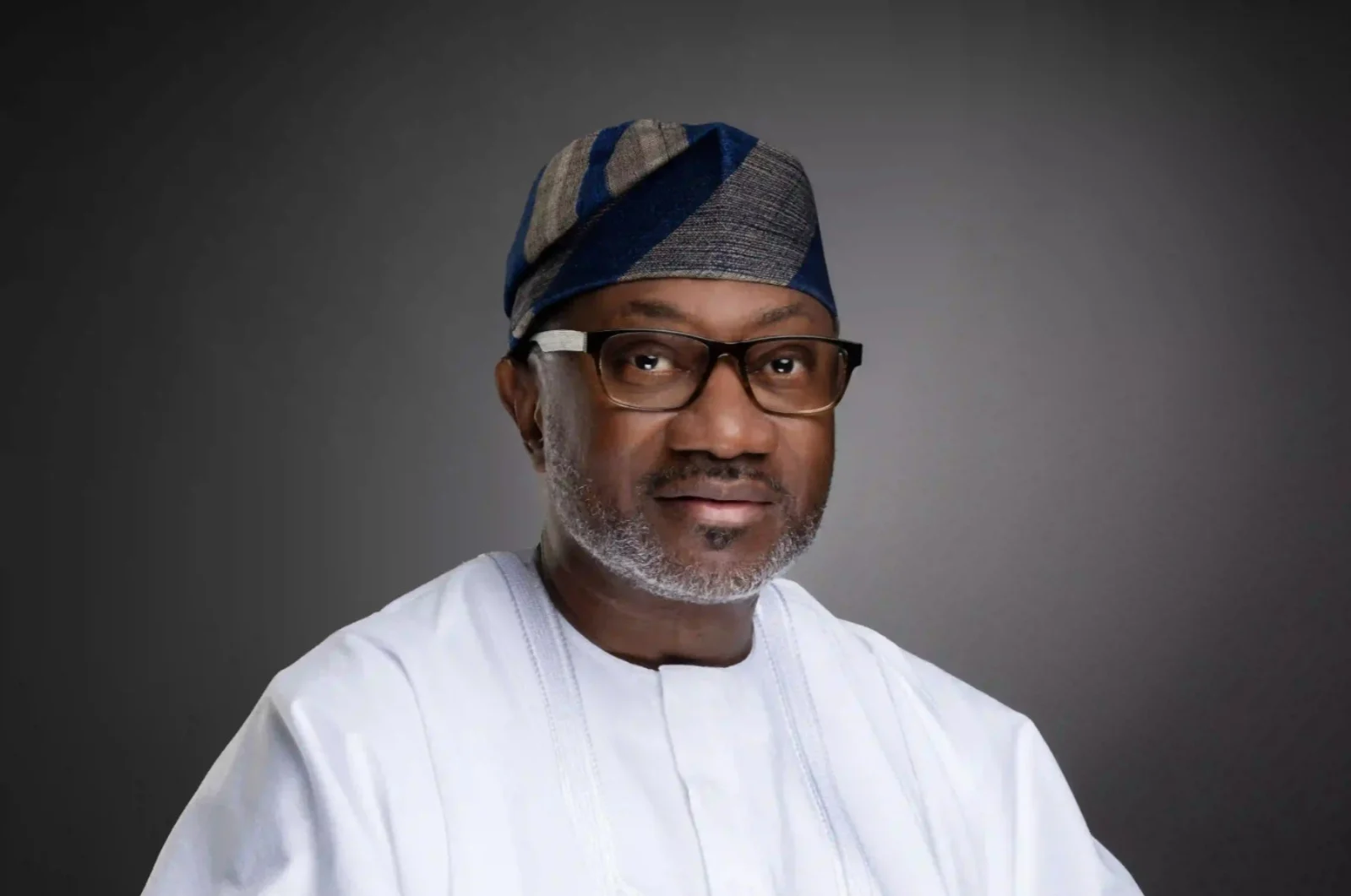
Few quotes about money divide opinion as quickly as this one. It arrives without qualification, without a footnote about budgeting, and that is exactly why it spread so fast. Coming from one of Nigeria’s best-known billionaires, a man whose fortune runs through oil, power and shipping, the line reads less like financial advice and more like a personal philosophy earned after decades of building and rebuilding wealth.
The story behind the quote
Otedola’s journey into business started early. He has described being a restless student who always felt his real calling was commerce rather than academics, and he built his first fortune in commodities before it eventually grew into holdings across energy, banking and real estate. His path was not smooth. In interviews about his career, he has spoken openly about periods of serious financial strain, moments where his fortune shrank sharply before recovering, and about how his outlook on money was shaped as much by those difficult stretches as by the successful ones.
This particular quote surfaced widely online in September 2025, when it began circulating across social media and quickly became one of the most shared lines attributed to him that year. It sparked immediate debate, with some commentators, including voices in Nigeria’s growing personal finance space, pushing back against the idea, arguing that it undersells the importance of saving and long-term planning. That disagreement is part of what kept the quote in circulation, since it forced a public conversation about two very different philosophies of wealth.
What the quote actually means
On the surface, this reads as an argument for spending freely. Read a little closer, it is really a statement about what money is for. Otedola’s claim is that money sitting untouched, never converted into an experience, a comfort, or something that actually improves a life, has not really served its purpose yet. In his view, hoarding money without ever using it is not meaningfully different from not having it at all, since neither version produces anything a person can actually point to and say their life was better for it.
The second half of the line, “life is for the living,” sharpens the point. It reframes money as a tool that exists inside a limited amount of time, not an end goal to be preserved indefinitely. For someone who has personally experienced both extreme wealth and periods of serious financial pressure, that urgency is not abstract. It reads as a lesson drawn from watching fortunes rise and fall and concluding that certainty about tomorrow is never guaranteed.
Why this idea matters in business today
For a country where conversations about savings culture, financial discipline and delayed gratification are common and often necessary, a quote like this lands as a genuine provocation. Nigeria’s growing personal finance community has spent years encouraging people to build emergency funds, invest early and resist lifestyle inflation, advice that remains sound for the vast majority of people still building financial security. Otedola’s quote sits in tension with that advice, and the friction between the two is worth sitting with rather than resolving too quickly in either direction.
The more useful reading is not choosing one philosophy over the other, but recognising that both are responding to different stages of a financial life. Saving aggressively while building a foundation is not the same decision as choosing, once a foundation exists, whether wealth should ever actually be enjoyed. Otedola is speaking from a position most people have not reached, and applying his line without that context can lead to very different outcomes depending on where someone actually stands financially.
Applying the lesson without ignoring financial reality
The value in this quote is not as a spending instruction. It is as a reminder that money has no purpose beyond the life it supports, and that reminder matters at every income level, even if the practical response to it should look different depending on circumstances.
Separate spending from squandering
Using money to fund real experiences, better health, time with family, meaningful growth, is different from spending simply to avoid the discomfort of holding onto it. The quote works best as encouragement to actually use wealth for something, not as permission to spend without direction.
Keep the foundation in place first
For anyone still building savings, an emergency fund, or investments, this quote is better treated as a future reward than a present instruction. Enjoying money without a foundation underneath it tends to produce stress, not freedom.
Revisit the balance as circumstances change
The right ratio between saving and spending is rarely fixed for life. What counts as responsible in a person’s twenties often looks overly cautious decades later, once financial security has actually been achieved.
Use it as a check against pure accumulation
Even outside personal spending, businesses can fall into the trap of hoarding profit without ever reinvesting it meaningfully. The same underlying question applies: is this money actually being put to use, or is it simply being kept for the sake of being kept.
Other notable Femi Otedola observations
- On his career: he has described decades that included both major successes and painful setbacks as part of the same journey.
- On mindset: a positive outlook, self-confidence and conviction are among the traits he has pointed to as central to successful investing.
- On restlessness: he has said he knew his path was in business rather than academics from a very young age.
The bigger picture
Otedola’s quote is not really a rulebook for personal finance. It is a challenge to ask what money is actually accomplishing, and whether it is being allowed to do the one thing it exists to do. The debate the quote sparked, between spending advocates and saving advocates, is probably more valuable than either side declaring victory, since the honest answer sits somewhere between the two, shaped by where each person or business actually stands on their own financial journey.