|
Getting your Trinity Audio player ready...
|
Why This Quote Still Hits Home
We live in an age where success is constantly on display. Every scroll through social media shows someone’s new job, new car, new holiday photo or new milestone. It becomes easy to measure your own life against a highlight reel that rarely shows the full picture.
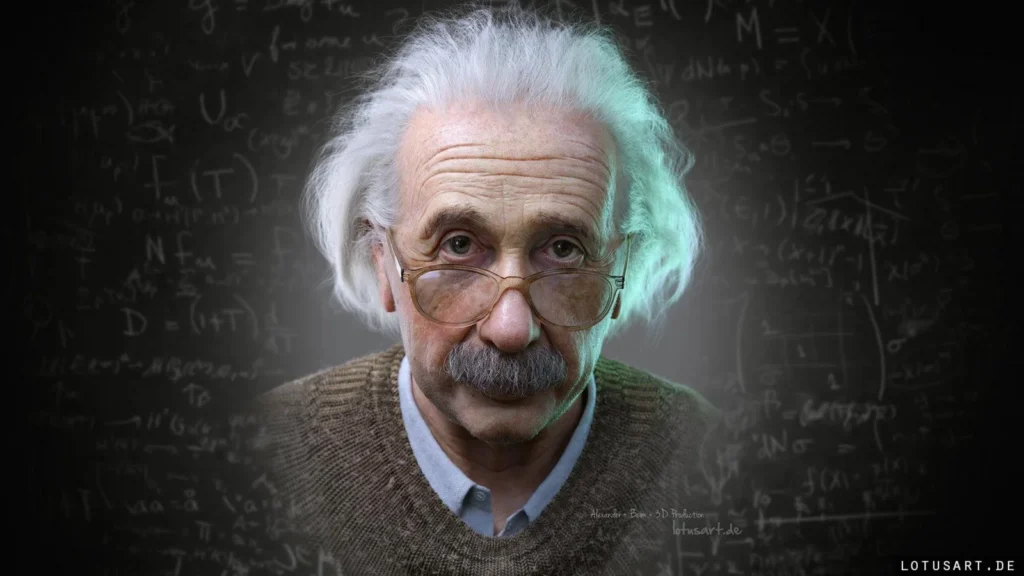
Albert Einstein warned against this trap decades before social media existed. His advice was simple but cutting: chase value, not just success. A job title looks impressive on paper, but being the person your colleagues trust and rely on builds something far more durable. Money can buy comfort, but it has never been proof of good character.
Success and Value Don’t Have to Compete
Here’s the part many people misread about this quote. Einstein wasn’t telling people to reject ambition or turn down opportunities. He was pointing at motive, not outcome.
Picture two employees going for the same promotion. One wants the title and the pay bump, full stop. The other wants to get better at the job and help the team win, promotion or not. If the second person misses out, they still walk away sharper, more skilled and more respected. That’s the whole idea in a nutshell: success comes and goes, but value compounds.
Ask What You’re Actually Contributing
Instead of judging every win by status alone, get in the habit of asking a different question: did this make something better? Did it solve a real problem, support a colleague, or pass on a skill someone else needed? That question reframes ordinary work into something with lasting weight.
Character Is Built Alongside Career, Not After It
Technical skill gets you noticed. Character is what people remember once the project ends and the title fades. Honesty under pressure, reliability when nobody’s watching, and patience with people who are struggling: these are the traits colleagues talk about years later, long after they’ve forgotten your job description.
Stop Measuring Yourself With Someone Else’s Ruler
What counts as “success” is different for everyone. A six-figure salary might matter enormously to one person and barely register for another. The danger isn’t ambition itself, it’s chasing a goal you never actually wanted because someone else made it look important. Take the time to define your own priorities before you spend years working toward someone else’s.
Never Stop Learning
Knowledge only becomes valuable once it’s shared. The people who keep learning stay ready to help others and adapt when the next challenge shows up unannounced, and in a fast-moving economy, that adaptability is worth more than any single credential.
More Einstein Quotes Worth Knowing
- “The important thing is not to stop questioning.”
- “Imagination is more important than knowledge.”
- “Life is like riding a bicycle. To keep your balance, you must keep moving.”
- “Anyone who has never made a mistake has never tried anything new.”
How to Put This Into Practice
You don’t need to abandon ambition to live by this idea, you just need to add one honest question to your routine.
At work: are you actually improving at your craft, or just climbing?
In school or training: are you understanding the material, or just collecting the grade? Real understanding travels with you; a grade doesn’t.
In relationships: value shows up in small, unglamorous acts, keeping a promise, listening properly, showing up when someone needs you. None of that goes on a CV, but all of it builds trust that outlasts any résumé line.
Conclusion
Einstein’s advice challenges a belief most of us absorb without questioning it: that success means reaching a position other people admire. Titles, money and recognition matter, but they were never the full story. A more lasting measure of a life well lived is what you know, how you treat people, and what you leave behind for those who come after you.
Choosing to build value doesn’t mean giving up on ambition. It means giving that ambition a purpose sturdy enough to survive the ups and downs of any career, which is likely why this advice from Einstein has outlived him by decades.