|
Getting your Trinity Audio player ready...
|
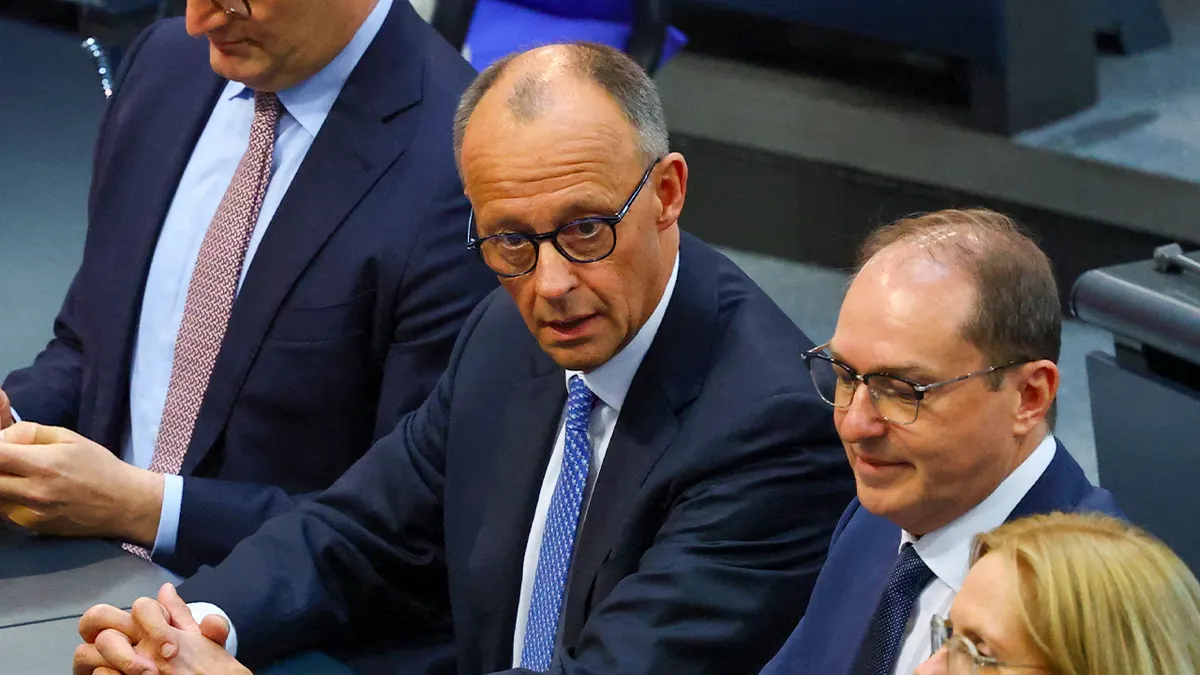
German Chancellor Friedrich Merz delivered one of his starkest warnings yet on the war in Ukraine this week, telling reporters that Europe is likely facing decisive moments over the coming weeks or months that will determine the continent’s freedom and peace. The comments, made Monday at a press conference following the European Arctic Summit in Rovaniemi, Finland, signal a chancellor increasingly focused on shoring up political resolve at home even as he continues framing Germany’s support for Kyiv as non-negotiable.
Merz was direct about what’s actually driving the urgency behind his message. Rather than pointing to specific intelligence about Ukraine’s front lines or a particular Russian military advance, he acknowledged something more domestic and, in some ways, more uncomfortable for his government: support for continuing aid to Ukraine is softening inside Germany, and not just in the country’s more traditionally Russia-skeptical eastern states, but nationwide. He said he intends to do everything in his power to maintain that support and to convince the German public that doing so remains firmly in the country’s own national interest, describing it as, in his words, “most likely facing decisive moments, perhaps weeks or months.”
That framing matters given how much weight phrases like “Europe’s freedom and peace” carry in German political discourse specifically, language rarely deployed casually by a sitting chancellor given the country’s historical relationship with exactly those concepts. Merz went further, stressing that Russian aggression is directed not only at Ukraine but at all Europeans, and that Germany has decided to defend itself, including its own critical infrastructure and territorial integrity, against what he described as Russian hybrid attacks. He said his government would be introducing changes to laws governing Germany’s security services as part of that broader defensive posture, changes he noted would apply across the full territory of both NATO and the European Union.
This isn’t a new position for Merz so much as an intensification of one he’s held consistently since taking office. In July, during budget debates in the Bundestag, he told lawmakers that the diplomatic means available for resolving the Russia-Ukraine war had been exhausted, and pledged continued German support despite resistance from pro-Russian far-right voices within parliament. He’s also previously expressed skepticism toward specific elements of US-backed peace proposals for Ukraine, telling reporters in London in December that he remained doubtful about certain details in documents coming from the American side, even while reaffirming that nobody should doubt Germany’s underlying commitment to Kyiv.
Germany’s material commitment to Ukraine has grown substantial enough to make Merz’s rhetoric more than symbolic. Berlin allocated 4 billion euros in defense aid to Ukraine in 2025, becoming Kyiv’s second-largest military donor globally after the United States and its leading supporter within Europe, a position that carries real domestic political cost as the war grinds into its fourth year without a clear resolution in sight. Defence Minister Boris Pistorius confirmed an additional 1.9 billion euro military aid package in June, and Germany has separately been engaged in what officials describe as intensive negotiations with Washington over the provision of Patriot air defense systems to Ukrainian forces.
What Merz’s Monday remarks notably avoided was any specific claim about Ukraine’s battlefield position deteriorating or its defensive lines being at particular risk of collapse. The “decisive moments” framing reads as considerably broader than a tactical military assessment, closer to a chancellor attempting to rally flagging domestic and European political will before it erodes into an actual reversal of policy, at a moment when Merz himself has acknowledged growing fatigue with the war’s cost among German voters. In July, he separately warned that the conflict could continue for “many more months,” urging closer coordination between European allies and the United States rather than suggesting any near-term resolution was likely.
The distinction matters for how the statement should actually be read. A warning about the front line breaking would point toward a specific military crisis requiring urgent battlefield intervention. A warning about Western political resolve breaking points toward a fundamentally different kind of problem, one rooted in coalition management, public opinion, and sustained funding commitments rather than immediate combat outcomes. Based on everything Merz has said publicly, including his explicit acknowledgment of softening domestic support, the latter appears closer to what’s actually prompting this week’s language, even if the practical consequences of either scenario could ultimately look similar for Ukraine’s prospects.
Whether Merz’s appeal succeeds in holding together both German public opinion and the broader European coalition supporting Ukraine will likely become clearer over the exact timeframe he described, the coming weeks and months, as questions over ceasefire terms, US negotiating positions, and the durability of allied funding commitments all continue playing out simultaneously across a war that has already outlasted most early predictions about how long it could realistically continue.