
|
Getting your Trinity Audio player ready...
|
Tennessee’s Attempt to Execute Christa Pike Fails, Leaving Her Alive and Hospitalized
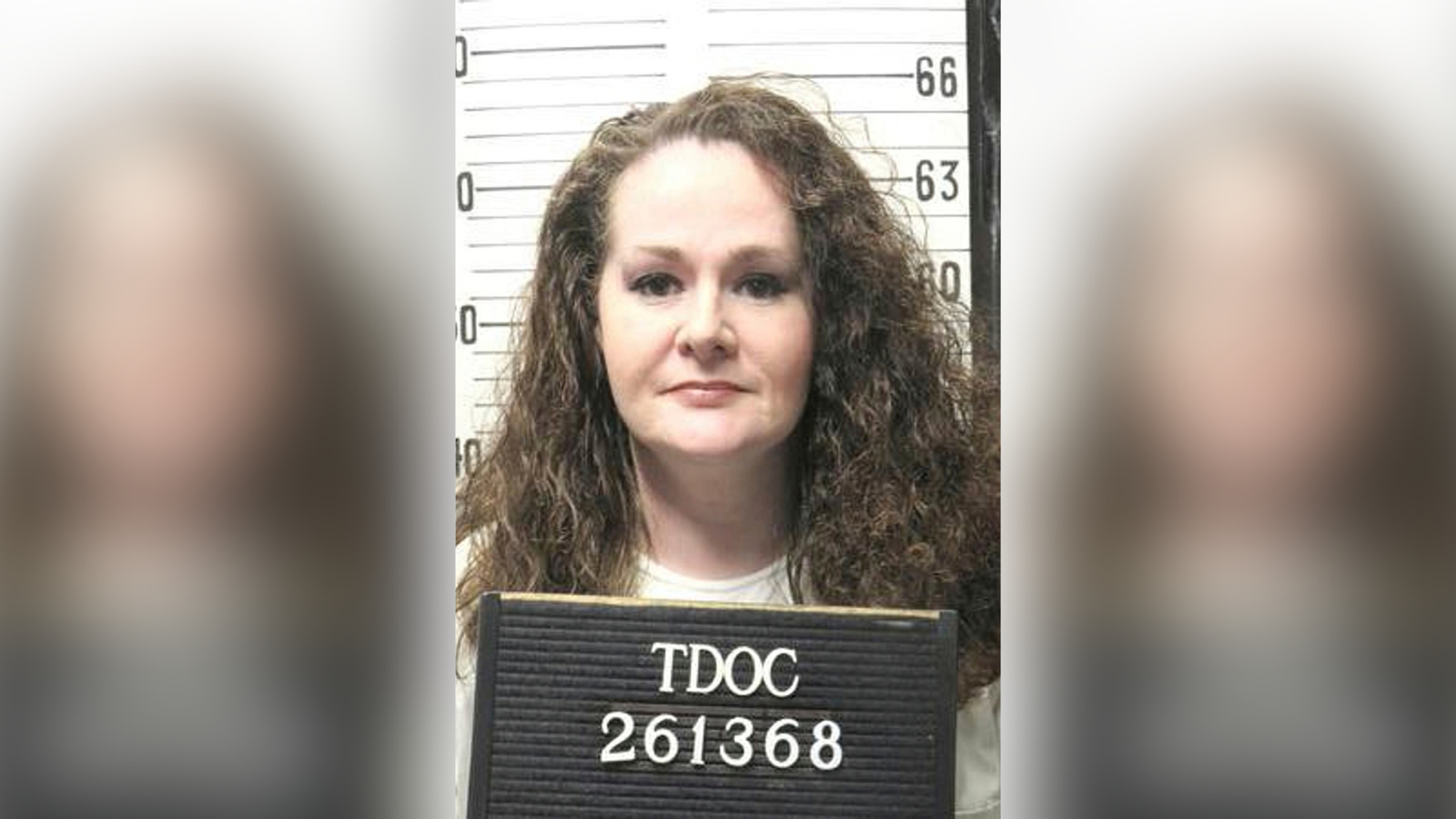
Tennessee’s attempt to execute Christa Gail Pike, the only woman on the state’s death row, ended in what a death penalty expert called an unprecedented failure Wednesday night, after the state administered two doses of lethal injection drugs without killing her.
Pike, 50, was convicted in 1996 for the 1995 torture and murder of 19-year-old Colleen Slemmer, a fellow student at a Knoxville Job Corps program for troubled teenagers. She was 18 at the time of the killing, which made her, at the point of her sentencing, the youngest woman given a death sentence in the United States since the Supreme Court reinstated capital punishment in 1976. According to court records, Pike and her then-boyfriend, Tadaryl Shipp, lured Slemmer into wooded land near the University of Tennessee’s agricultural campus, where Slemmer was stabbed and beaten to death. Shipp, who was a few months younger than Pike at the time of the crime, was tried as a juvenile and spared a death sentence under Tennessee law, which excludes anyone under 18 from capital punishment, a disparity that has drawn attention from legal advocates over the years given how close in age the two were when the crime occurred.
Pike’s execution had been scheduled for 10am Wednesday at Riverbend Maximum Security Institution in Nashville, and had it gone forward as planned, she would have become the first woman executed in Tennessee in more than two centuries, since 1819 or 1820 depending on the historical source, and only the fourth woman put to death in the state’s history. The lead-up to the execution involved a flurry of last-minute legal activity. Pike’s attorneys, Luke Ihnen and Stephen Ferrell of the Federal Defender Services of Eastern Tennessee, had sued over the state’s lethal injection protocol, arguing it would be unconstitutionally cruel given her documented medical conditions, including a blood disorder. A three-judge panel of the 6th Circuit Court of Appeals temporarily blocked the execution Wednesday. Ferrell said at the time that the court had recognized serious concerns about Pike’s scheduled execution. That stay didn’t hold. The US Supreme Court vacated it in a 6-3 decision Wednesday evening, allowing Tennessee to proceed before the execution warrant expired at midnight.
What followed is now the subject of its own controversy. Media witnesses said curtains to the execution chamber were raised at 7:27pm, showing Pike strapped to a gurney. The state administered two separate rounds of pentobarbital, the lethal drug used in its injection protocol, but witnesses reported that Pike appeared to still be breathing roughly an hour later when they were escorted out of the chamber. An anti-death penalty organization filed an emergency appeal seeking to end the execution attempt and secure medical care for Pike, and a federal court in the Eastern District of Tennessee ordered the state to halt the process and provide immediate treatment. Several ambulances arrived at Riverbend to transport her to an off-site medical facility.
The Tennessee Department of Correction issued a statement defending its conduct, saying officials followed every step of the state’s lawful, established execution protocol as approved by the Attorney General’s Office. That defense doesn’t fully settle the matter for critics who track the state’s execution record closely. Kelley Henry, a federal public defender representing several death row inmates in Tennessee, has pointed to unresolved questions from an earlier execution this year involving Byron Black, who reportedly said he was in severe pain while on the gurney, as part of a broader pattern of concern about how the state’s lethal injection process has been carried out. Wednesday’s events add another entry to that pattern, with one death penalty expert describing the outcome as an unprecedented failure for a modern execution attempt.
The case has carried weight well beyond the mechanics of Wednesday’s botched procedure. Pike’s defense team has pointed to her documented history of childhood instability and abuse, including sexual assault by a man her mother was dating, along with later diagnoses of bipolar disorder and post-traumatic stress disorder, as reasons they believe she should not face execution. Robin Maher, executive director of the Death Penalty Information Center, told CBS News that society’s view of who genuinely deserves a death sentence has shifted in the decades since Pike was originally sentenced. On the other side, Tennessee’s legal filings noted that Colleen Slemmer’s mother and stepfather had traveled to witness the execution, and the state argued that further delay would cause them additional trauma and reward what it characterized as abusive delay tactics by Pike’s legal team.
Executions of women remain exceedingly rare in the United States. According to the Death Penalty Information Center, only 18 women have been executed nationwide since the Supreme Court reinstated capital punishment in 1976, representing roughly 1 percent of all executions carried out in that period. Pike’s case had already renewed broader debate over how the justice system treats offenders who committed their crimes as teenagers, a debate that’s now further complicated by the failure of the execution itself.
As of the latest reporting, Pike remained alive and under medical care following Wednesday’s attempt, with no clear public timeline yet for what happens next in a case that has already moved through a federal appeals court, the US Supreme Court, and a halted execution chamber within a single day.