|
Getting your Trinity Audio player ready...
|
The full-scale exercise brought firefighters, security personnel, medical teams and airport control officials together to test emergency response coordination.
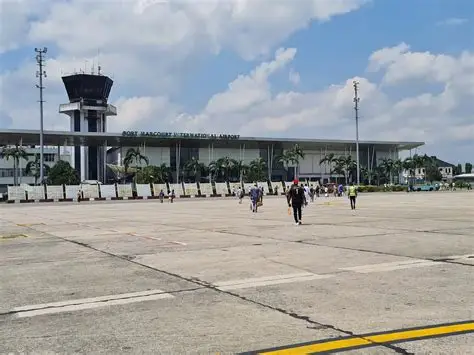
Port Harcourt International Airport in Rivers State conducted a full-scale emergency response exercise on Wednesday, November 18, 2026, as part of efforts to strengthen aviation safety and improve preparedness for potential emergencies.
The exercise involved several emergency response units, including airport firefighters, security personnel, medical teams and the airport control unit. Their participation was intended to strengthen coordination among critical airport departments and improve their ability to respond collectively when an emergency occurs.
The exercise comes as Nigerian aviation authorities continue to emphasise emergency preparedness, operational safety and compliance with established aviation standards. Airports must maintain effective emergency plans that allow different response agencies to mobilise quickly and work together during aircraft accidents, fires and other serious incidents.
Emergency Teams Test Coordination and Response Readiness
The participation of firefighters, security personnel, medical teams and airport control officials reflects the importance of coordination in managing aviation emergencies.
An aircraft accident or serious incident at an airport can require several agencies to respond simultaneously. Firefighters may need to contain fires and rescue passengers, medical teams must provide emergency treatment, security personnel must control access to affected areas, while airport operations and air traffic control teams coordinate operational activities.
A delay in communication or confusion over responsibilities can complicate rescue operations and increase risks to passengers, airport workers and other emergency responders.
The full-scale exercise provided an opportunity for the participating teams to practise their emergency responsibilities within a coordinated response framework.
However, details of the specific emergency scenario used during the exercise, the response time achieved and any operational weaknesses identified have not been publicly established. The exercise should therefore be understood as a preparedness initiative rather than evidence that the airport has eliminated its emergency response risks.
NCAA Regulations Require Regular Airport Emergency Exercises
Emergency response exercises form part of Nigeria’s aviation safety requirements.
The Nigeria Civil Aviation Regulations require aerodrome operators to test their emergency plans through full-scale exercises at intervals not exceeding two years. They must also conduct partial emergency exercises in years when they do not hold full-scale drills.
These exercises help airport operators assess whether their emergency plans remain effective and whether personnel understand their responsibilities.
The regulatory framework also requires exercises to reflect aircraft accident scenarios and involve the deployment of relevant firefighting, policing and medical services.
For Port Harcourt International Airport, regular emergency simulations are particularly important because effective coordination requires cooperation among airport management, aviation safety personnel, security agencies and external emergency services.
The exercises also provide opportunities to identify weaknesses in communication systems, equipment deployment and the movement of emergency teams.
Emergency Preparedness Remains Important to Nigeria’s Aviation Industry
Airport emergency management has significant implications for airline operations, passenger confidence and the wider aviation industry.
Nigeria’s airports handle commercial passenger flights, cargo movements and other aviation activities that depend on effective safety management. An emergency involving an aircraft or airport facility can disrupt operations, affect passengers and create substantial financial and operational consequences.
Regular emergency exercises help airport authorities prepare for these risks while strengthening cooperation among the organisations responsible for aviation safety.
The Port Harcourt exercise also comes amid broader aviation safety initiatives at the airport. In September 2026, the International Civil Aviation Organization (ICAO) sent a project delegation to Port Harcourt to support Nigeria’s transition towards fluorine-free firefighting foams under its FIRE project.
That initiative focuses on improving firefighting practices while reducing environmental concerns associated with certain firefighting chemicals.
Together, these developments highlight the importance of maintaining effective emergency infrastructure, modernising firefighting capabilities and strengthening operational standards across Nigerian airports.
Port Harcourt Airport’s Safety Preparedness Under Scrutiny
The latest exercise reinforces the need for continuous training and coordination among airport emergency response teams.
While conducting a drill is an important part of preparedness, its effectiveness ultimately depends on whether participating agencies can translate their training into rapid, coordinated action during an actual emergency.
Regular assessments, equipment maintenance, personnel training and improvements identified during post-exercise reviews remain essential to maintaining operational readiness.
For Port Harcourt International Airport, sustained attention to these areas will be important in protecting passengers, airline personnel, airport infrastructure and other aviation stakeholders.