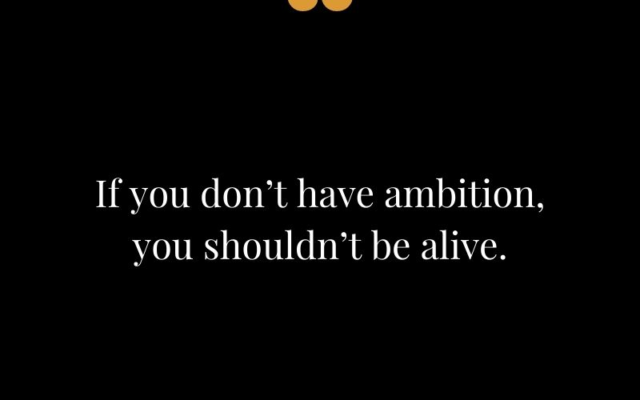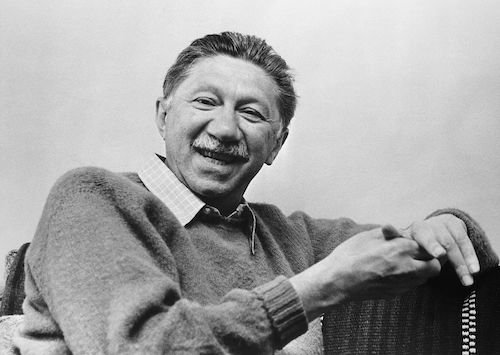
Every day brings small forks in the road. Speak up in the meeting or stay quiet. Apply for the stretch role or stick with what’s familiar. Launch the idea or wait until it feels less risky. Abraham Maslow, the psychologist best known for his work on human motivation, boiled this constant tension down to two words: growth or safety.
His point wasn’t that safety is bad. It’s that safety, chosen too often, quietly becomes a cage. Every time comfort wins by default, a person trades a little more of their potential for a little more certainty, and over months and years, that trade adds up to a life spent avoiding risk rather than building anything.
Growth and Safety Aren’t Really Opposites
Here’s where people usually misread this idea. Growth doesn’t mean recklessness, and safety doesn’t mean weakness. The real issue is which one is driving the decision by default.
Picture two employees offered the same difficult project. One turns it down because it feels too uncertain and the current role is comfortable enough. The other takes it on, knowing it might not go perfectly, because the skills and relationships built along the way matter more than the short-term comfort of staying put. Neither person is wrong to weigh risk carefully, but only one of them is actually moving. That’s Maslow’s whole argument: safety protects what you already have, growth builds what you don’t have yet.
Instead of asking only “what could go wrong if I do this,” it helps to ask the less comfortable question: what does staying exactly where I am cost me a year from now? Comfort rarely announces its price up front. It shows up later, as missed experience, unbuilt skills, or opportunities that quietly stopped knocking.
Confidence is often treated like a prerequisite for growth, something you need to have fully in place before taking the leap. In practice, it works the other way around. Taking the uncertain step is usually what produces the confidence, not the confidence that produces the step. Waiting to feel completely ready is, more often than not, just safety wearing a more acceptable disguise.
Choosing growth doesn’t guarantee a smooth outcome every time. Some stretch projects fail. Some bold moves don’t pay off right away. That’s not proof that growth was the wrong call, it’s simply part of what growth actually looks like up close. The real risk isn’t the occasional setback, it’s letting one setback convince you to retreat into safety for good.
Reassess the Choice Regularly
This isn’t a decision made once and then finished. Growth versus safety shows up again and again, in small daily choices as much as big life ones. The people who keep developing are usually the ones willing to keep asking the question honestly, rather than the ones who made one bold decision years ago and have been coasting on it ever since.
More Quotes Worth Knowing From Abraham Maslow
- “What is necessary to change a person is to change their awareness of themselves.”
- “One can choose to go back toward safety or forward toward growth.”
- “In any given moment we have two options: to step forward into growth or step back into safety.”
- “The story of the human race is the story of men and women selling themselves short.”
How to Put This Into Practice
You don’t need to overhaul your entire life to live by this idea, you just need to notice the small moments where the choice actually shows up.
At work: are you taking the assignment that stretches you, or the one that simply keeps things running smoothly?
In business: are you testing the harder, less certain idea, or repeating the safe strategy because it has worked before?
In personal life: are you having the honest conversation, or avoiding it because silence feels easier in the moment? Safety rarely feels like retreat while it’s happening. It usually just feels reasonable, right up until the growth it quietly replaced becomes impossible to get back.
Maslow’s quote challenges a belief most people never examine closely: that choosing comfort is automatically the responsible choice. In reality, comfort chosen too often stops being protection and starts being avoidance.
Choosing growth doesn’t mean abandoning caution altogether. It means refusing to let safety make every decision by default, which is likely why a psychologist studying human motivation ended up describing one of the most practical truths about how people actually change.