|
Getting your Trinity Audio player ready...
|
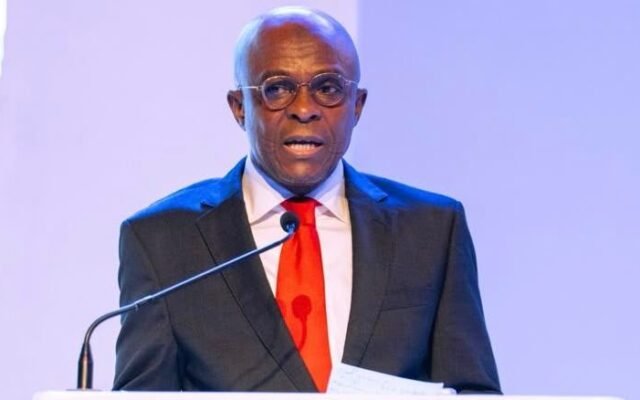
Iran has lost its oil minister at the moment its petroleum sector is under the heaviest pressure in years. Mohsen Paknejad resigned on Sunday, and President Masoud Pezeshkian named Hamid Bovard, the chief executive of the National Iranian Oil Company, as acting minister. The change at the top of the ministry came days after tanker-tracking data showed that Iran had not loaded a single cargo of crude in September.
State media reported that the presidential office accepted Paknejad’s resignation at his own insistence. Mehdi Tabatabaei, who handles communications in the president’s office, said the minister had put forward his resignation some time ago and had cited personal reasons. Pezeshkian was reported to have asked him to stay on before giving way. Paknejad had held the portfolio since August 2024, and the presidential statement thanked him for his service. Neither the government nor Paknejad has offered any other explanation, and no verified account links his departure to a dispute over policy or to the blockade itself. That caution matters, because much of the commentary since Sunday has leapt to conclusions the available facts do not support.
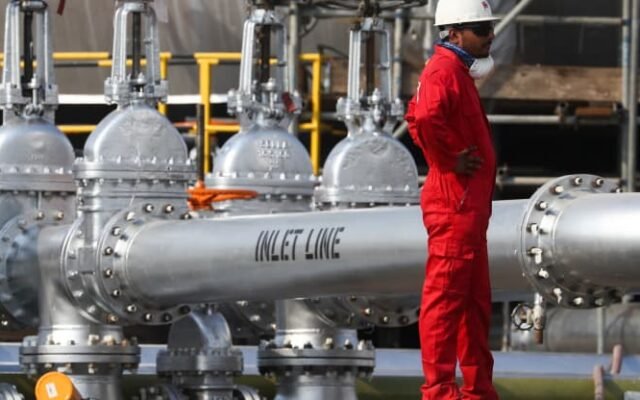
What is clear is the situation Bovard inherits. A US naval blockade of Iranian ports, imposed in July, has squeezed the country’s main source of foreign income. Bloomberg’s preliminary tanker-tracking estimates put Iranian crude loadings at zero for September, against roughly 250,000 barrels a day in August. Kpler and Vortexa recorded the same result. Kpler has said it is the first month without a crude loading since it began monitoring Iranian exports in 2013, and that the last successful loading took place on August 25. US Treasury Secretary Scott Bessent highlighted the figure publicly on October 1, presenting it as proof that Washington’s pressure campaign is working.
The contrast with the period before the blockade is stark. Kpler data cited by Al Jazeera indicated that exports ran close to 2 million barrels a day in the weeks before the blockade began. Output has since been cut back sharply. According to Kpler’s director of commodity research, Matt Smith, Iranian production has fallen to about half of its pre-war level, around 2 million barrels a day, which is just enough to cover domestic needs. Because the oil has nowhere to go, onshore stockpiles have climbed toward 70 million barrels, close to their pandemic-era peak.
Iran still has some oil at sea, which has allowed a trickle of deliveries to continue. Kpler estimates that Iranian crude held in waters outside the blockade zone has dropped to about 45 million barrels from 100 million in July, with a portion of it stored in Asian waters and used to supply Chinese refiners. At the current pace of sales, analysts quoted by CNN suggest that cushion could be exhausted by the end of October. Once it disappears, there will be no new barrels to replace it unless the blockade loosens.
Paknejad’s own statements add an awkward note to his exit. In July he told Iran International that the structures needed to keep exports flowing had been preserved and that shipments would carry on as before. Shortly before news of his resignation emerged, state media quoted him as saying revenue from oil already sold was still reaching Iran. Iran International has also reported on scrutiny of the intermediary networks used to market sanctioned crude, including a special assistant he had appointed to oversee oil trading. These are reports, not findings, and none of them explains why he left. They do, however, show how heavily the ministry’s work now depends on moving oil through channels that Washington is actively trying to close.
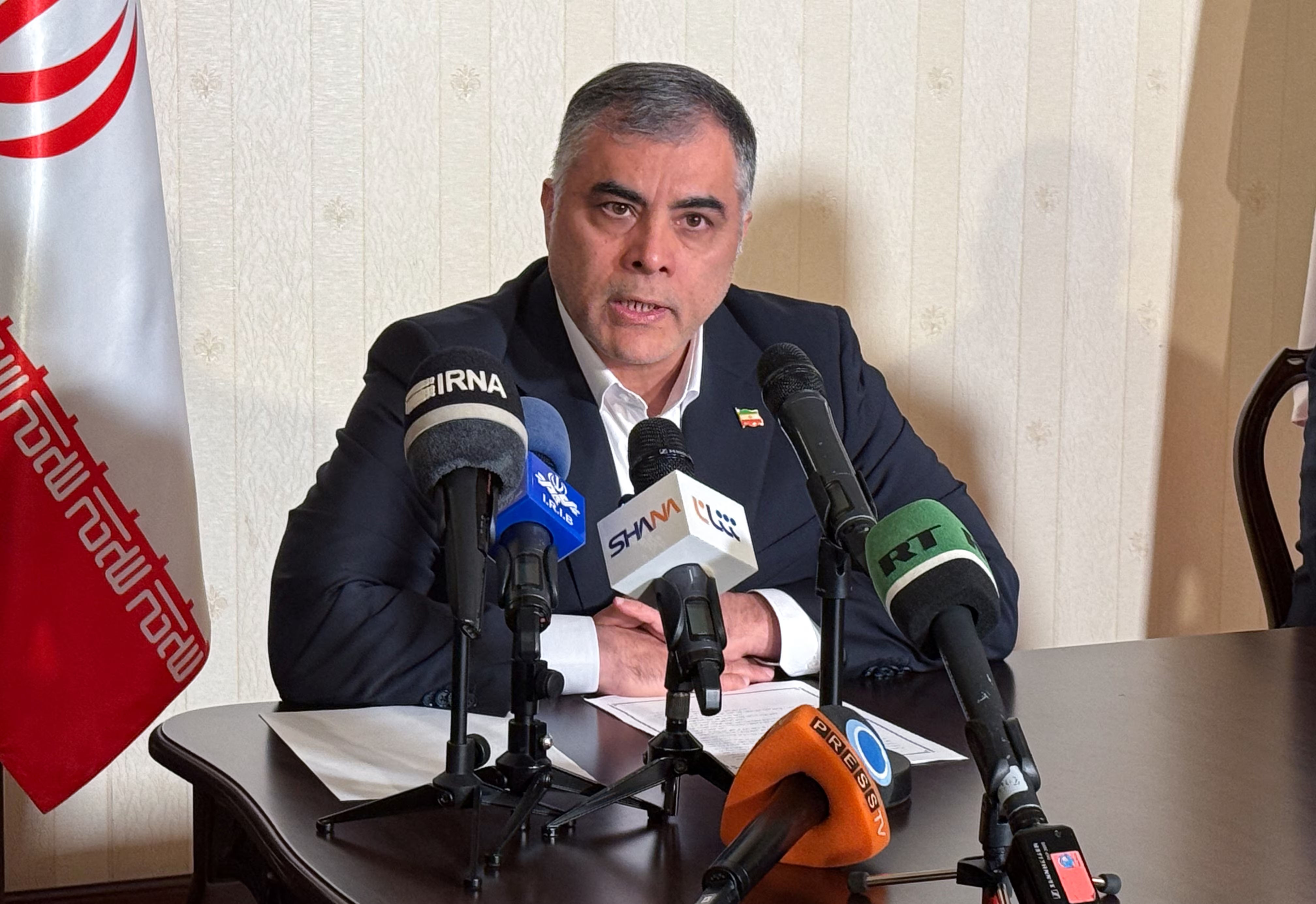
Bovard comes to the job with a different profile from a typical political appointee. As head of the state oil company, he already runs the operational side of production and exports, so the ministry and the company will now be led by the same person during a crisis. Whether that speeds decisions or concentrates risk is open to debate. An acting minister also has limited room to set a new direction, and nothing so far suggests the government plans a change of strategy. The more immediate tasks are practical ones: managing storage as it fills, deciding how much to cut production, and finding whatever buyers remain willing to take cargoes.
Beyond Iran’s borders, the reshuffle has barely moved the market, and there is a good reason. The rest of the Gulf has largely made up for the missing Iranian barrels. Kpler data show that crude and condensate exports from Gulf producers other than Iran reached at least 16.5 million barrels a day in September, matching the pre-war average. About 40 percent of that oil bypassed the Strait of Hormuz through pipelines in Saudi Arabia and the United Arab Emirates, compared with 17 percent before the conflict. JPMorgan has estimated that overall Middle East crude flows are back to roughly 98 percent of their pre-war rate. Smith has said the strength of the flows through the strait shows Iran is losing influence over the waterway, a view supported by the figures from Kpler.
None of this means the oil market is comfortable. Brent crude has traded around 100 dollars a barrel in recent sessions, a level that still carries a heavy premium for risk. Refined fuels remain scarce because damaged refineries and disrupted shipping have held back exports of diesel and gasoline. The Council on Foreign Relations noted that US diesel prices have climbed from 3.75 dollars a gallon before the war to 6.52 dollars, and the G7 has agreed to release 100 million barrels of crude and diesel from strategic reserves over four months to ease the strain. Iran, unable to export through the strait, has also stepped up attacks on tankers, which keeps insurance and freight costs high even as volumes recover.
For oil-importing countries, including Nigeria, the main lesson is that supply has recovered faster than prices have. Cheaper crude does not reach the pump automatically when refining capacity is damaged and shipping is costly. Governments and businesses planning fuel budgets will keep an eye on whether Iran’s output cuts deepen, whether Gulf producers continue to fill the gap and whether further tanker attacks push up the cost of moving oil. Readers who follow how energy markets shape business and technology decisions can find related coverage at Business Tech.
The coming weeks will test both the new acting minister and the blockade strategy. If Iran’s floating stocks run out, its export revenue will shrink further and storage pressure at home will intensify, which could force deeper production cuts. If Washington or Tehran signals any softening, the barrels now held back could return to the market and press prices down. Until then, the departure of one minister changes the names on the door more than it changes the underlying squeeze on Iranian oil.
Focus Keyword: Iran oil minister resigns
Related 6 Keywords: Hamid Bovard acting oil minister, US blockade Iran oil exports, Iran crude loadings September, National Iranian Oil Company, Strait of Hormuz oil flows, oil prices today