|
Getting your Trinity Audio player ready...
|
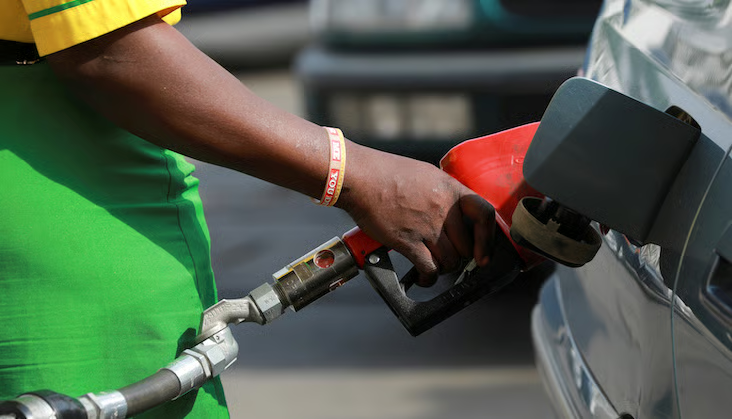
A fresh debate over fuel prices and the timing of government relief has drawn attention on social media, with an X user questioning why Nigerians may be receiving relief from the high cost of petrol as another election approaches.
The controversy centres on a question that has remained important to many Nigerians since President Bola Ahmed Tinubu announced the removal of the petrol subsidy in May 2023: if the government can introduce measures to ease the burden of fuel costs, why did such relief not come sooner, when households and businesses were struggling with rising transportation fares, food prices and the broader cost of living?
An X user identified as Ebonylove27 raised the issue in a post addressed to the president through his official account, @officialABAT. The user questioned the timing of the reported fuel price relief and linked it to the approaching election, suggesting that Nigerians deserve an explanation for why the government is acting now rather than when the economic consequences of subsidy removal were most severe for ordinary citizens.
In the post, the user wrote: “@officialABAT suddenly discount for fuel one month close to elections,I thought same you said the reforms are painful how come sudden discount? Meanwhile immediately you came to power “subsidy gone” bought Escalade, bought yatch, bought aircraft like an abused child who saw money”
The statement reflects the frustration of a section of the public over the economic hardship that followed the removal of the petrol subsidy. However, the user’s allegations concerning the timing of the discount and the purchases mentioned in the post should not be treated as independently verified facts without supporting evidence.
The central question raised by the post goes beyond whether petrol prices can be reduced. It concerns the timing of economic relief, the government’s response to public hardship and whether measures that could ease pressure on households are being introduced when Nigerians need them most or when political competition makes them more urgent.
For many households, the effects of higher petrol prices have extended beyond the cost of filling a vehicle’s tank. Commercial transport fares, the movement of food and other essential goods, business operating expenses and the cost of providing everyday services have all been part of the wider debate about the consequences of fuel price increases.
When transportation becomes more expensive, traders and service providers may face higher operating costs, while consumers can end up paying more for essential goods. Families with limited incomes are particularly exposed to such increases because a larger share of their available money goes towards food, transport and other basic needs.
That is why the timing of any reported reduction or discount matters to the public. Nigerians who have endured months of financial pressure may reasonably want to know whether the relief is temporary or permanent, who qualifies to benefit from it, how much prices are expected to fall and whether the measure will have a meaningful effect on the cost of living.
The question becomes even more politically sensitive when relief is discussed in connection with an approaching election. Citizens may wonder why similar interventions were not introduced earlier, particularly during periods when transport costs and food prices were placing considerable pressure on household budgets.
Yet the timing alone does not establish that a policy has been introduced for electoral advantage. A proper assessment requires verified details about the price reduction, the government or company responsible, the implementation date, the duration of the measure and the reasons given for its introduction.
For now, the controversy highlights a demand that cuts across the argument over subsidy removal: Nigerians want economic policies to be judged not only by the government’s stated long-term objectives but also by their practical effects on everyday life.
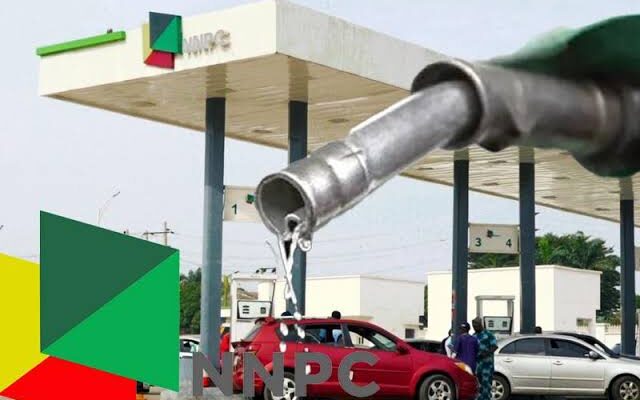
The timing has now become more significant following the Federal Government’s announcement on October 9, 2026, that the Nigerian National Petroleum Company Limited (NNPC) would forgo its petrol retail profit margin and sell fuel at cost for the next 30 days. According to a statement published by the State House, the measure is intended to cushion the impact of global crude oil price shocks and volatility on Nigerian households. The government also encouraged other fuel marketers to consider similar action.
The announcement gives fresh context to the questions raised by Ebonylove27. Rather than focusing solely on whether fuel prices can be reduced, Nigerians may want to understand why this particular intervention is being introduced now, how it will work and whether the government intends to extend relief beyond the initial 30-day period.
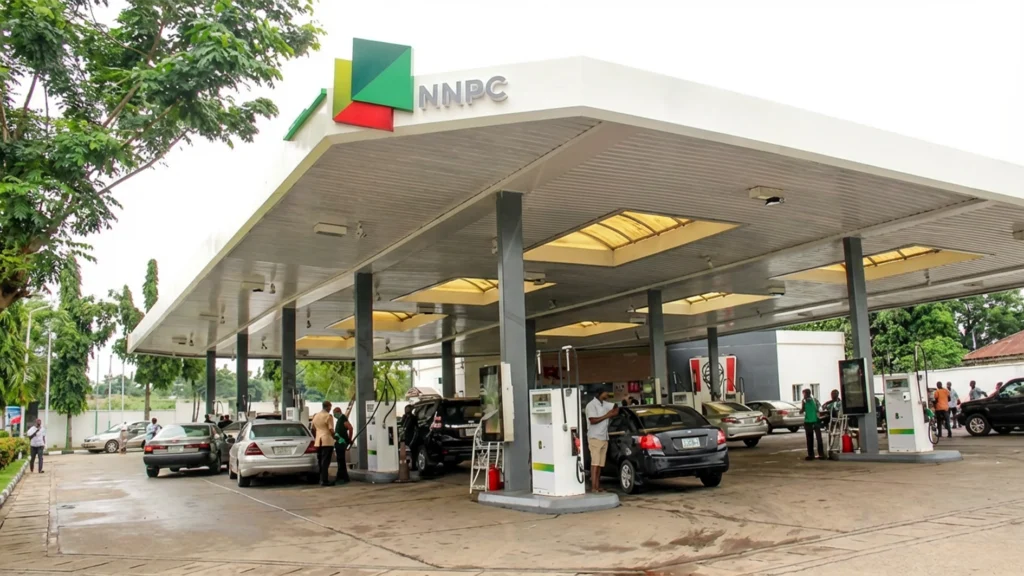
The approaching election adds another dimension to the debate. Under the revised electoral timetable reported for the 2027 general election, the presidential and National Assembly elections are scheduled for January 16, 2027. That places the fuel intervention roughly 100 days before the presidential poll.
The proximity of the two events may invite political questions, but it does not, on its own, establish that the government introduced the intervention to influence voters. The administration has linked the measure to rising global fuel costs. Nigerians, however, are entitled to examine both the stated economic reasons and the timing of the announcement.
For citizens who have spent months adjusting to higher transport fares and the rising cost of essential goods, the immediate concern is whether the relief will translate into meaningful savings. A decision by NNPC Retail to sell petrol at cost does not automatically guarantee that every filling station will reduce its prices by the same amount. The outcome will depend on implementation, supply costs, participating marketers and the prices charged to consumers.
There is also a question about what happens when the 30-day period ends. Will NNPC Retail continue to absorb its retail profit margin if international prices remain high? Will other marketers adopt comparable measures? And what longer-term policies does the government have to protect households against sudden increases in fuel prices?
These questions matter because temporary relief can provide breathing space without necessarily resolving the wider cost-of-living problem. If transportation and distribution expenses remain high, the benefits may not extend equally to food prices, small businesses and households across the country.
The subsidy debate itself remains central to the discussion. When Tinubu announced the removal of the petrol subsidy during his inauguration on May 29, 2023, the decision marked a major shift in Nigeria’s fuel pricing policy. The government has defended the reform on economic grounds, while critics have continued to raise concerns about the immediate burden on citizens and the adequacy of measures introduced to cushion its effects.
The latest intervention therefore raises a broader question about the relationship between economic reform and public welfare. If the government can temporarily forgo a retail profit margin to ease pressure on consumers, Nigerians may ask what other practical measures can be introduced to make fuel more affordable without creating new financial problems for the country.
For Ebonylove27 and others questioning the timing, the issue is not simply whether Nigerians should welcome cheaper fuel. It is whether relief can be delivered consistently, transparently and at the point when people need it, rather than becoming a short-lived measure that leaves households facing the same pressures once the announcement loses public attention.
Ultimately, the government will be judged on more than the announcement itself. Consumers will look at the prices displayed at filling stations, the duration of the intervention, the extent to which transport costs respond and whether any savings reach ordinary households.
With the 2027 presidential election approaching, the debate over fuel prices is likely to remain part of the wider discussion about economic policy, accountability and the experiences of Nigerian citizens. The question raised by the X user captures a concern that deserves a clear answer: how will the government ensure that relief from economic hardship is guided by the needs of Nigerians, not merely by the timing of the political calendar?