|
Getting your Trinity Audio player ready...
|
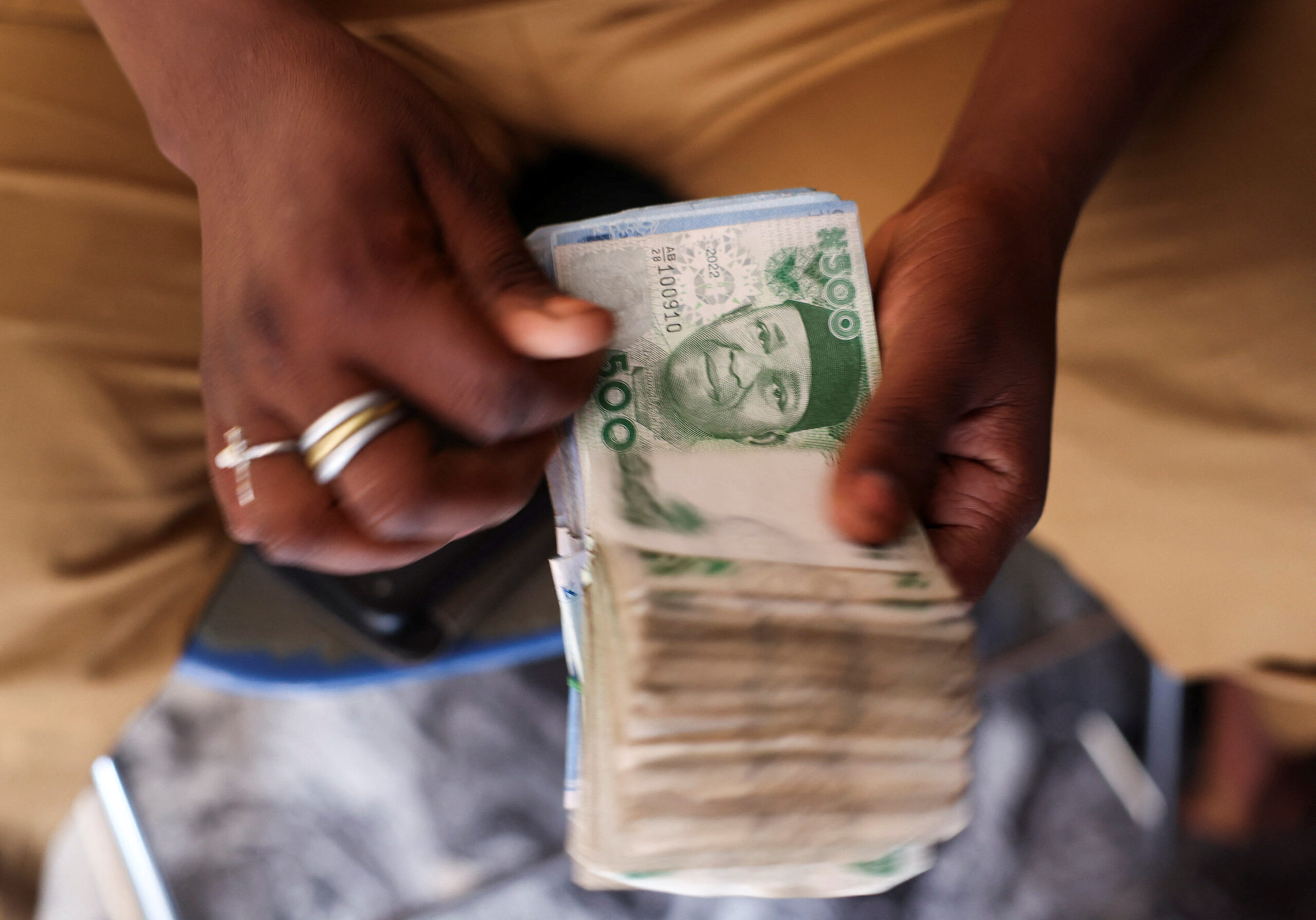
Nigeria’s foreign exchange reserves have climbed to $55.1 billion, their highest level in 18 years, strengthening the country’s external financial position and renewing attention on the Central Bank of Nigeria’s efforts to stabilise the foreign exchange market.
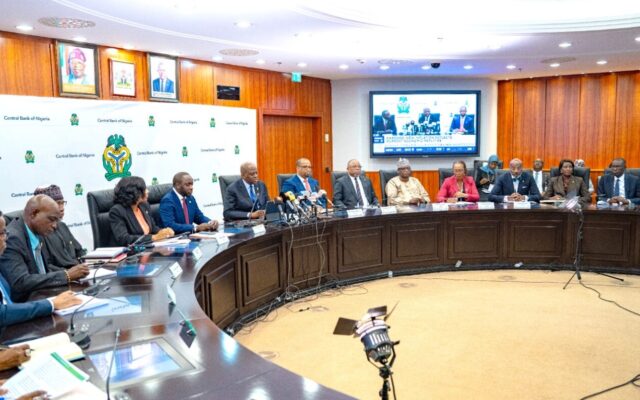
The development was disclosed by CBN Governor Olayemi Cardoso during the 2026 Annual Meetings of the International Monetary Fund and World Bank Group in Bangkok, Thailand. The announcement places foreign reserves at the centre of discussions about Nigeria’s currency outlook, investor confidence and the capacity of the financial system to withstand external economic pressures.
For Nigeria’s banking industry, the increase is significant because foreign exchange availability and currency stability influence a wide range of transactions, from international trade and corporate payments to foreign investment and the management of businesses’ foreign currency obligations.
However, the improvement does not automatically mean that the naira will strengthen immediately or that every business will find it easier to obtain dollars through authorised banking channels. The impact will depend on how reserves evolve, the flow of foreign exchange into the country and the Central Bank’s management of the foreign exchange market.
Cardoso’s announcement comes at a time when Nigeria is attempting to consolidate recent improvements in its external position while addressing persistent cost-of-living pressures and the financing needs of businesses.
Foreign reserves represent a country’s external financial assets held by its monetary authorities. They can help meet international payment obligations, support confidence in the currency and provide a buffer against sudden changes in capital flows or export earnings.
For an economy such as Nigeria’s, where crude oil exports remain an important source of foreign exchange, the level and quality of external reserves are closely monitored by investors, commercial banks, importers and policymakers.
A stronger reserve position can improve the country’s capacity to manage temporary disruptions in foreign currency inflows. It may also help reassure international investors that the country has greater resources available to meet external obligations.
The reported $55.1 billion figure is therefore an important indicator of Nigeria’s external financial position. Nevertheless, reserves are only one part of the wider economic picture. The durability of the improvement will depend on the sources of foreign exchange inflows, external debt obligations, import demand and the performance of the country’s export sector.
The CBN has been working to improve confidence in the foreign exchange market through monetary policy adjustments and changes to the way foreign exchange transactions are conducted. These measures form part of broader efforts to reduce distortions, improve market transparency and encourage legitimate inflows.
The naira’s performance remains a major concern for businesses that depend on imported machinery, industrial inputs, pharmaceutical products, electronics and other goods purchased from international suppliers.
When foreign exchange is difficult to obtain or exchange rates fluctuate sharply, businesses may face higher costs and greater uncertainty when preparing budgets. Companies that cannot predict their import costs may delay purchases, adjust prices or reduce the scale of planned investments.
A more stable foreign exchange market can make financial planning easier. It can help businesses estimate their future obligations, negotiate contracts with greater confidence and make decisions about production and expansion.
For banks, currency stability can also influence customer demand for foreign exchange services, international payments and trade finance. Financial institutions play an important role in processing legitimate foreign exchange transactions, supporting importers and exporters, and managing their own exposure to currency-related risks.
Nevertheless, a higher reserve figure should not be confused with unlimited dollar availability for every customer. Access to foreign exchange remains dependent on market conditions, regulatory requirements, transaction documentation and the channels through which customers seek to purchase foreign currency.
Importers and other businesses must therefore continue to plan their transactions carefully rather than assume that a reported increase in reserves guarantees immediate access to dollars at a particular rate.
The distinction between gross and net reserves is also important when assessing Nigeria’s external position. Gross reserves represent the total stock of qualifying external reserve assets, while net reserves account for specified foreign exchange liabilities and other adjustments under the applicable methodology.
Both figures can provide useful information, but they answer different questions. Gross reserves indicate the overall stock of external assets, while net reserves can offer a clearer view of the position after certain liabilities have been considered.
Recent reporting on Cardoso’s remarks has also put Nigeria’s net foreign reserves at approximately $46 billion. The two measures should not be treated as interchangeable, and changes in either figure need to be assessed alongside the underlying methodology and reporting period.
The increase in reserves has also drawn attention to the relationship between monetary policy and inflation.
Nigeria’s headline inflation rate declined to 14.63 per cent in September 2026, according to figures reported by the National Bureau of Statistics and cited in recent reporting on the CBN governor’s remarks. The rate was lower than the 15.39 per cent recorded in August.
Although the decline is encouraging, inflation continues to affect households and businesses through the cost of food, transportation, rent, energy and other essential expenses. A lower annual inflation rate means prices are rising more slowly than before, not necessarily that the prices of goods and services have returned to earlier levels.
For the banking sector, the direction of inflation matters because it influences interest-rate decisions, the real value of savings, borrowing costs and customers’ capacity to repay loans.
At its September 21 and 22, 2026 meeting, the CBN’s Monetary Policy Committee reset the Monetary Policy Rate to 23 per cent. It also retained the cash reserve requirement for deposit money banks at 45 per cent.
The benchmark rate influences the broader cost of money in the economy, although the rates offered to individual borrowers and depositors depend on additional factors, including creditworthiness, bank funding costs, loan duration and competition.
A reduction in inflation can create room for policymakers to reassess monetary conditions. However, the CBN must also consider exchange-rate pressures, domestic demand, inflation expectations and other risks before making further adjustments.
For customers hoping for lower loan rates, the recent figures do not guarantee an immediate reduction in borrowing costs. Banks will continue to assess risks and funding conditions when pricing personal loans, business credit and other financial products.
Businesses seeking financing should therefore consider the total cost of credit rather than assume that an improvement in the country’s reserves will automatically make loans affordable.
The foreign exchange market also depends on the strength of the country’s underlying sources of dollar earnings. Oil exports, non-oil exports, remittances, foreign investment and other legitimate inflows can all contribute to the supply of foreign currency.
An improvement supported by sustainable inflows may prove more durable than one driven primarily by temporary or short-term movements. This is why market participants will continue to monitor the composition of reserve growth, export receipts and the balance of payments.
Nigeria’s ability to attract foreign investment will also depend on broader considerations such as regulatory certainty, infrastructure, security, the cost of doing business and the expected return on investment.
The banking industry has a direct interest in these developments. Banks depend on confidence in the financial system, and sustained economic stability can support deposit growth, business activity and demand for financial services.
At the same time, financial institutions must maintain appropriate risk controls when handling foreign currency transactions and providing financing to customers whose revenues or obligations are denominated in different currencies.
Companies that earn revenue in naira but owe money in foreign currencies can be particularly exposed to exchange-rate movements. A sudden depreciation can increase the naira value of their obligations, potentially affecting cash flow and loan repayment.
Banks must account for such risks when assessing borrowers and managing their own balance sheets. A stronger national reserve position may improve the broader environment, but it does not remove the need for prudent risk management.
For policymakers, the challenge is to turn improved external indicators into lasting economic gains. That requires measures that encourage productive investment, strengthen export capacity, support reliable foreign exchange inflows and improve the ability of domestic businesses to compete.
The country must also balance the need to maintain adequate reserves against other legitimate demands for foreign currency, including external debt service and essential imports. Reserve management involves choices about liquidity, safety and the ability to meet obligations when they fall due.
Investors will be watching whether the recent improvement is sustained over the coming months. They will also look for evidence that the foreign exchange market continues to function more predictably and that businesses can plan their transactions with greater certainty.
For ordinary Nigerians, the most important question is whether improved macroeconomic indicators eventually translate into more predictable prices, stronger employment opportunities and better access to goods and services.
That outcome cannot be achieved through reserves alone. It will depend on the combined effects of monetary policy, fiscal management, domestic production, investment and the wider business environment.
The CBN’s reported $55.1 billion reserve level represents a significant development for Nigeria’s external financial position. It provides a stronger headline indicator of the country’s capacity to manage international obligations and withstand certain external shocks.
The next test is whether that position can be maintained while the economy continues to address inflation, currency risks and the need for sustainable growth.
For commercial banks, businesses and investors, the reserve figures offer a reason to watch the foreign exchange market closely, but not a basis for assuming that currency risks have disappeared. The practical value of the improvement will become clearer through sustained reserve performance, orderly market conditions and the ability of the economy to generate reliable foreign exchange earnings.
As Nigeria works to consolidate the gains, the focus will remain on whether improved reserves and easing inflation can support greater confidence in the naira and a more predictable environment for financial transactions.