|
Getting your Trinity Audio player ready...
|
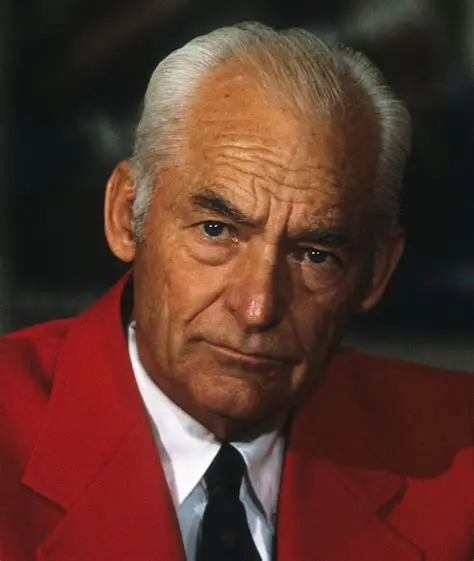
Sam Walton, born in 1918, opened his first Walmart in Rogers, Arkansas, in 1962 and built it into one of the largest retailers in the world before he died in 1992. In his autobiography, Sam Walton: Made in America, he wrote: “There is only one boss. The customer.” He went on to explain what he meant. The customer, he said, can fire everyone in the company, from the chairman down, simply by spending money somewhere else.
The sentence overturns the picture most people hold of a company. The organisation chart shows a chairman at the top, then executives, managers and staff. Walton redraws it with the customer above all of them. Nobody inside the company holds the power he describes. Customers hold it, and they use it every time they decide where to shop.
“There Is Only One Boss. The Customer.” – Sam Walton
The second half of his sentence matters as much as the first. Walton chose the word “fire” on purpose. Employees understand firing. By using that word for something customers do, he made a abstract idea feel real. A customer who walks out and never returns has just removed income from the business, and enough of those decisions can end a company. The mechanism works quietly, with no meeting, no warning and no appeal.
His own practices matched the line. Walton visited competitors’ stores constantly, studied what they did well and copied the best ideas, and he said so openly. He listened to the people on the front lines, because they talk to customers and know what is happening on the shop floor. He also argued that the way management treats employees is how employees will treat shoppers, so he saw customer service as a chain that begins inside the company.
Consider a small supermarket owner who notices that customers keep asking for a particular brand of rice that the store does not stock. The easy response is to dismiss the requests, because the current supplier is convenient. A manager who follows Walton’s idea treats each request as an instruction from the boss. She orders the rice, sees sales rise and discovers that customers who found the rice also buy other items. A small decision about stock turned into more loyal shoppers.
Customer feedback should shape decisions
The practical lesson starts with how a company chooses what to do. If the customer is the boss, then customer evidence should outweigh internal opinion when the two clash. Complaints, returns, search terms and repeat purchases all tell a business what its boss thinks. Leaders can build the habit by starting each planning meeting with what customers said or did since the last meeting, before turning to internal ideas.
Reputation is built one customer at a time
Walton understood that a company’s reputation is the sum of many small interactions. Each time a shopper finds the product, gets a fair price and receives courteous help, the store earns a little trust. Each failure subtracts some. Because customers talk to each other, both gains and losses spread beyond the person involved. A business that treats every customer as a possible boss tends to build a reputation that advertising cannot buy.
Exceed expectations, not just meet them
Walton also advised going slightly beyond what customers expect. His idea was to give people what they want and a little more, which brings them back repeatedly. In practice, that might be a free delivery for a loyal customer, a follow-up message after a sale or a quick fix to a problem the customer did not report. The extra effort is small, and the loyalty it earns can last years.
Employees are part of the same chain
A company cannot serve customers well if it treats staff poorly. Walton believed in sharing information and listening to employees, because the people closest to customers often know the most about what customers need. Managers who ignore front-line suggestions lose useful information, and managers who act on it tend to improve service quickly.
A fair caution
Treating the customer as boss does not mean agreeing to every demand. Some customers want things that would harm the business or other customers, and a company still has to protect its finances, its staff and its standards. Walton’s own stores balanced low prices with discipline about costs. The idea works best as a guide to priorities: when a decision affects customers, ask what they would want, then weigh the answer against what the business can sustain.
Why this advice still holds true today
Customers now have more choices than ever, and a competitor is often one tap away. Reviews and social media let a single bad experience reach thousands of people within hours. Walton’s sentence anticipates that world. The power sits with the person who chooses where to spend, and companies that forget it lose business quietly. More than thirty years after he wrote it, the lesson stays simple: serve the boss well, and the business has a future.