
|
Getting your Trinity Audio player ready...
|
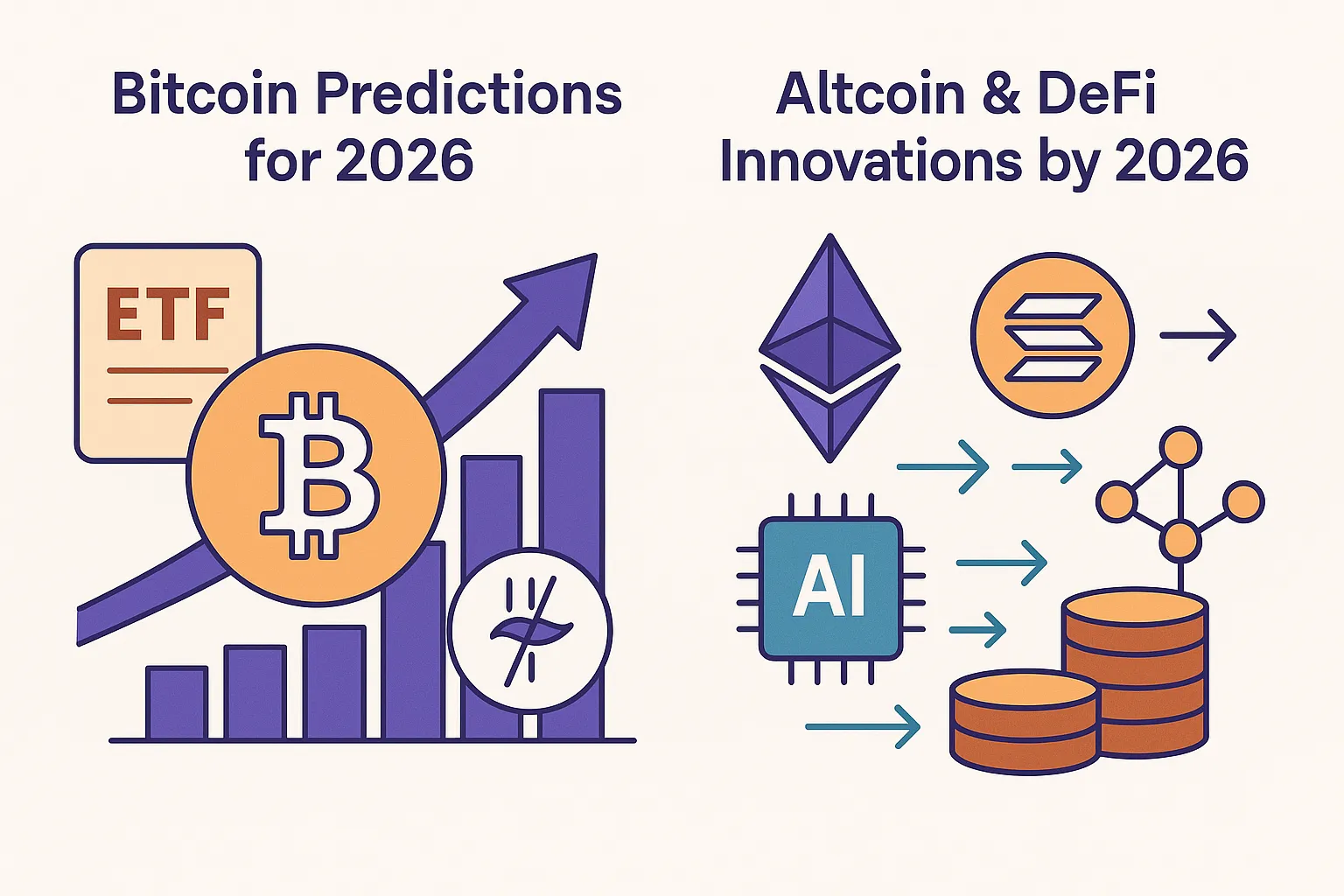
The Bitcoin ETF surge has become a defining narrative in global digital asset markets throughout 2026. As a result, major financial institutions are increasing their exposure to Bitcoin-linked financial instruments, while exchanges are adjusting liquidity structures to accommodate heightened institutional order flow. Meanwhile, retail participation remains steady, although its relative influence on price discovery is gradually diminishing.
In the United States, regulatory clarity surrounding spot Bitcoin ETFs has encouraged sustained inflows, and therefore contributed to stronger correlation between Bitcoin price movements and traditional equity index sentiment. However, volatility has not disappeared; instead, it has become more structurally tied to macroeconomic indicators such as interest rate expectations and inflation data releases.
European markets are also experiencing parallel momentum, as regulators refine digital asset frameworks under evolving MiCA-aligned standards. Consequently, institutional investors across the region are increasingly allocating to Bitcoin ETFs as part of broader crypto exposure strategies. In addition, Asia-Pacific financial hubs are gradually expanding access to similar products, although regulatory fragmentation continues to slow uniform adoption.
The Bitcoin ETF surge is also influencing liquidity distribution across major exchanges such as Coinbase and Binance, as institutional custody solutions reduce direct spot trading volumes. However, derivatives markets are seeing increased activity, particularly in futures and options tied to ETF performance benchmarks. For example, arbitrage strategies between ETF shares and underlying Bitcoin spot prices are becoming more sophisticated, thereby enhancing market efficiency.
Security considerations remain central to this evolution. Meanwhile, custodial infrastructure providers are scaling cold storage systems and multi-signature protocols to meet institutional-grade compliance standards. As a result, crypto custody is emerging as one of the most competitive segments within the broader blockchain ecosystem.
In addition, the Bitcoin ETF surge indirectly impacts stablecoin flows. Institutional capital entering ETFs often moves through fiat on-ramps and stable settlement layers. Consequently, stablecoins such as USDT and USDC continue to play a foundational role in bridging traditional banking systems with crypto-native liquidity channels.
Exchange operators are also adapting rapidly. Coinbase, for instance, continues expanding institutional trading services, while Binance is refining its compliance frameworks across multiple jurisdictions to maintain global accessibility. Therefore, competition among centralized exchanges is increasingly focused on regulatory alignment rather than trading volume alone.
From a market structure perspective, the Bitcoin ETF surge is accelerating the financialization of Bitcoin. However, this does not eliminate the role of decentralized ecosystems. Instead, it creates a dual-layered market. Institutional ETFs coexist with DeFi-driven liquidity pools and peer-to-peer trading infrastructure.
Regulators in the United States and Europe are closely monitoring these developments. This is especially focused on systemic risk exposure and safeguards against market manipulation. Meanwhile, ongoing discussions around custody transparency and reserve verification are shaping future compliance standards for ETF issuers.
Forward-looking analysis suggests that the Bitcoin ETF surge will continue to deepen institutional integration. As a result, Bitcoin’s correlation with macroeconomic cycles is likely to increase. In addition, tokenization of traditional assets may further expand ETF-like structures across other cryptocurrencies beyond Bitcoin.
External references include official ETF issuer filings, regulatory updates from the U.S. Securities and Exchange Commission, and institutional research reports from major asset managers tracking crypto inflows.
Consequently, its impact is expected to persist across multiple market cycles, influencing everything from liquidity dynamics to global investment strategies.