
|
Getting your Trinity Audio player ready...
|
Canadian physicians are sounding the alarm over a growing wave of AI-generated videos putting their faces and voices behind fake medical endorsements they never made, warning that the technology behind these scams is improving faster than anyone’s ability to take the resulting content down. B.C. Provincial Health Officer Dr. Bonnie Henry is among the prominent Canadian doctors whose likeness has been deepfaked on social media, according to reporting published this week, part of a pattern experts say has no clear legal or technical remedy despite scamming patients out of money and putting their health at real risk.
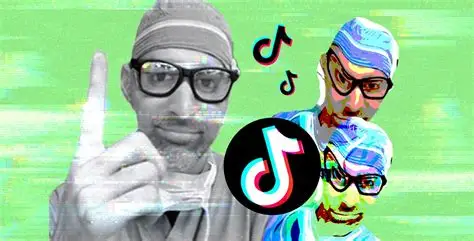
The mechanics behind these videos have become depressingly formulaic. AI-generated avatars, often tucked into a corner of the screen and speaking with practiced, authoritative confidence, deliver health advice that leans heavily on the language of “natural” remedies before steering viewers toward a specific product for purchase. Security researchers at ESET documented a campaign across TikTok and Instagram specifically targeting Latin American audiences, where AI avatars posed as gynecologists, dietitians, and other health professionals to sell supplements and wellness products. One video touted a supposed natural extract as a superior alternative to the weight loss drug Ozempic, driving viewers to an Amazon listing where the same product was blandly described as “relaxation drops,” with no genuine connection to the dramatic medical claims made in the video itself.
The scale of individual doctors affected paints a fuller picture of how widespread this has become. Dr. William Li, a best-selling health author, has had his likeness used to promote dubious supplements. Pediatric specialist Dr. Maurice Sholas and psychologist Dr. Rachel Goldman were both digitally impersonated to push a pink salt diet. Dr. Joel Bervell, known for his work championing medical equity, was cloned to sell questionable supplements as well. Even celebrities entirely unconnected to medicine, including Oprah Winfrey, Brad Pitt, and Taylor Swift, have had their likenesses hijacked to promote weight loss products and so-called miracle oils, illustrating just how far this deepfake economy extends beyond doctors specifically into any recognizable, trusted public face.
What makes these scams genuinely dangerous rather than simply annoying is the specific kind of trust they exploit. Dr. John Cormack, a British physician who has tracked this phenomenon closely, told AFP that people do seem to trust these videos, explaining that many of the media doctors being impersonated spent years building a public reputation for trustworthiness, one that transfers directly onto the deepfake even when it’s making claims the real doctor would never endorse. That trust transfer is precisely why scammers target physicians specifically rather than generic actors, the entire value of the deception comes from borrowing credibility the AI-generated video itself has done nothing to earn.
The consequences extend well beyond wasted money on ineffective supplements. In an article published by the British Medical Journal, one physician described discovering their name and likeness were being used without consent to promote fake cures for conditions including high blood pressure and diabetes, health issues where delaying legitimate treatment in favor of a bogus alternative carries genuinely serious medical risk. That same reporting noted the imitations are becoming convincing enough that even close family members have been fooled, with one doctor recounting that her own mother fell for a fake video featuring her daughter’s cloned likeness. Scammers frequently target older patients specifically, a demographic that research shows already struggles more than younger users to distinguish authentic content from AI-generated fabrication.
That struggle isn’t limited to any single age group, according to broader survey data on public deepfake awareness. A study by cybersecurity firm TrendLife, surveying more than 10,000 people across nine countries, found that only 22 percent of respondents felt confident they could actually spot a deepfake or AI-driven scam, with nearly half reporting little to no confidence in their own ability to tell the difference at all. That gap between how convincing this content has become and how equipped the average viewer is to recognize it as fake sits at the core of why these scams keep working even as awareness of the broader deepfake phenomenon grows.
The frustrating reality facing both doctors and platforms is how little recourse currently exists once one of these videos starts circulating. Physicians who’ve identified deepfakes of themselves describe a familiar, exhausting cycle, even when a specific video gets successfully taken down, similar content simply reappears under a different account name days later, according to accounts shared in BMJ reporting. Regulatory responses have begun emerging but remain patchy and jurisdiction-specific. California introduced SB 1146, legislation state Senator Lena Gonzalez framed as a direct response to scammers exploiting the credibility of the medical profession to trick vulnerable residents into buying unproven products. In the United States more broadly, policymakers have been considering the proposed NO FAKES Act to address AI deepfakes generally, while a 2024 British Medical Journal report found the problem already well established in the UK. Canadian physicians quoted this week say the country still lacks meaningful research into how prevalent doctor deepfakes actually are on platforms like Facebook and TikTok, alongside clear legal recourse for the physicians being impersonated.
For now, the responsibility for identifying these scams still falls disproportionately on the patients being targeted, precisely the group least equipped to distinguish sophisticated AI-generated content from the real thing. Medical experts interviewed across multiple recent reports have converged on the same basic advice, treat any health product endorsement from a doctor encountered on social media with genuine skepticism, verify claims directly through the physician’s actual official channels or a trusted healthcare provider before purchasing anything, and recognize that a well-known face alone is no longer reliable proof that the person speaking is who the video claims. Until platforms, regulators, and detection technology catch up meaningfully with how convincing this content has become, that kind of individual vigilance remains largely the only defense available.
For more coverage of AI-driven fraud and digital health misinformation, visit Business Tech.