|
Getting your Trinity Audio player ready...
|
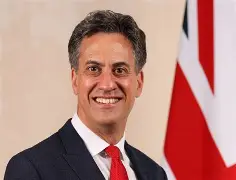
British Foreign Secretary Ed Miliband has insisted that the United Kingdom’s new agreements with the European Union will proceed regardless of whether both sides reach a separate agreement on university tuition fees for European students studying in Britain.
His comments came amid growing disagreement between London and Brussels over the implementation of a post-Brexit cooperation package negotiated at a summit in Brussels on November 20, 2026. The dispute centres on whether agreements covering food exports, emissions trading and youth mobility can take effect without resolving the separate question of tuition fees.
Miliband told the BBC that the agreements were not dependent on the tuition fee negotiations, rejecting suggestions from European sources that the wider arrangement could be delayed if Britain refused to offer EU students more favourable university fees.
He maintained that the agreements had already been concluded and would be implemented according to the timetable agreed by both sides. Asked whether they would become law, he responded affirmatively, explaining that the British government would introduce the necessary legislation in Parliament.
The disagreement has created uncertainty around the implementation of the new UK-EU relationship, particularly because officials from the two sides have given different explanations of how the agreements are connected.
The British government considers the three main agreements concluded and treats the tuition fee question as a separate negotiation. However, European officials have indicated that the bloc considers the arrangements part of a wider package, raising the possibility that the implementation or ratification process could face difficulties if the tuition issue remains unresolved.
The dispute emerged after Prime Minister Andy Burnham met European Commission President Ursula von der Leyen and European Council President António Costa during the Brussels summit.
The meeting produced agreements covering agricultural and food trade, emissions trading and a youth mobility arrangement. Both sides also agreed to continue discussions on other areas of cooperation, including education and the future relationship between Britain and the EU.
Miliband said von der Leyen had made a distinction between the three agreements and the separate tuition fee negotiations during the summit’s press conference.
He explained that the issue of tuition fees had been placed in a separate document and would continue to be negotiated independently. According to him, this meant the unresolved education question should not prevent the other arrangements from moving forward.
The Foreign Secretary also said the British government would begin the parliamentary process required to implement the agreements, with key measures scheduled to take effect from 2028.
One of the most significant parts of the agreement concerns trade in food, agricultural products and plants. The proposed arrangement is expected to remove many of the border checks and certification requirements that have increased the cost and complexity of trade between Britain and EU countries since Brexit.
Under the agreement, the UK will align with relevant European standards covering most animal, plant and related products. This would reduce the need for certain export certificates and border inspections, making it easier for businesses to move goods across the Channel.
British businesses involved in food production and agricultural exports have faced additional administrative requirements since the country left the European Union. The new arrangement is intended to reduce those barriers and improve access to the European market.
The agreement is expected to begin taking effect in March 2028, although implementation will require the necessary legal and regulatory arrangements.
Another major component involves linking the UK’s emissions trading system with the EU’s carbon market.
Emissions trading schemes require businesses in covered sectors to account for the greenhouse gases they release, with companies purchasing or trading allowances according to applicable rules.
Connecting the two systems is expected to reduce differences in carbon pricing and simplify arrangements for businesses operating across both markets. It could also help British exporters avoid certain additional carbon-related charges when selling eligible products into the EU.
The arrangement is particularly relevant to industries that face substantial energy and production costs, including manufacturing and other carbon-intensive sectors.
The third major agreement concerns youth mobility, which will create opportunities for young people from Britain and EU member states to live, work, travel and study across the Channel.
Under the proposed scheme, up to 100,000 young people from each side will be allowed to participate annually. The arrangement is expected to cover people aged 18 to 31, with participants permitted to stay for up to three years.
The scheme is intended to restore some opportunities for younger people that became more difficult after Brexit ended the UK’s participation in the EU’s freedom of movement arrangements.
For British citizens, it could provide opportunities to gain employment experience, study and travel in European countries. Young Europeans would also have an opportunity to spend time in Britain under the agreed conditions.
However, the arrangement is not a return to unrestricted freedom of movement. It is a limited programme with eligibility requirements, annual participation limits and a maximum period of stay.
The youth mobility scheme is expected to become operational by January 2030 at the latest, according to the details of the summit agreement.
While the three agreements have attracted attention, tuition fees remain one of the most difficult issues in the negotiations.
Before Brexit, students from EU member states generally enjoyed the same tuition fee arrangements as British students at universities in England. Following Britain’s departure from the bloc, EU students were reclassified as international students for fee purposes in many circumstances.
This meant that many European students became subject to higher international tuition charges rather than the domestic fee arrangements available to eligible British students.
The difference can be substantial. Domestic undergraduate tuition fees in England are capped at £9,790 for the 2026-27 academic year, while international students can pay considerably more depending on the university and course.
The European Union wants students from its 27 member states to receive tuition fee treatment comparable to that of British students. The UK government, however, has been considering alternative arrangements that would reduce the cost for European students without necessarily offering the same domestic rates.
The two sides have therefore agreed to continue negotiations over tuition fees for students travelling in both directions.
The joint statement issued after the summit provides for negotiations to conclude within six months. The proposed supplementary agreement would cover EU students studying in Britain and British students attending universities in EU countries.
The disagreement is significant because university fees affect access to higher education, international student recruitment and the finances of British universities.
European students previously represented an important part of the international student population in the UK. More favourable fee arrangements could make British universities more accessible to applicants from EU countries, although universities would also need to consider the financial implications of charging lower rates.
For British students, reciprocal arrangements could create more affordable opportunities to study in European universities.
However, the British government must balance those potential benefits against the financial impact on universities and the public finances. The question is therefore not simply whether European students should receive lower tuition fees, but how any new arrangement would be funded and applied.
Miliband also addressed concerns about the financial implications of the broader summit agreements. He said there would be no new British contribution to the EU budget as a result of the arrangements reached at the meeting.
He described previously announced agreements involving programmes such as Erasmus+ as separate decisions rather than additional costs arising directly from the summit package.
The Erasmus+ programme supports education, training and exchange opportunities across participating countries. Britain has agreed to associate with the programme from 2027, creating opportunities for students and educational institutions to participate in European exchange arrangements.
The distinction matters because the UK government is seeking closer cooperation with European institutions while maintaining its position that the country will not rejoin the EU or restore unrestricted freedom of movement during the current Parliament.
The disagreement over tuition fees has also exposed differences in how Britain and the European Union understand the political and legal status of the new arrangements.
Downing Street has maintained that negotiations on the three main agreements have concluded and that the government will proceed with implementation. European officials, however, have suggested that the bloc could treat the agreements as part of a wider package requiring progress on tuition fees.
This creates a potential challenge during the ratification process. Although the British government can introduce legislation and take the necessary domestic steps, agreements involving the EU may also require approval through European institutions and member states.
Sky News reported that the dispute could complicate ratification if some EU member states decide not to approve the wider arrangements while the tuition fee question remains unresolved. The disagreement therefore goes beyond the public statements made by the British and European governments, as the legal processes on both sides will determine how the agreements eventually take effect.
Prime Minister Burnham has described the broader agreement as a positive development for Britain, arguing that closer economic cooperation could reduce trade barriers and improve opportunities for businesses and young people.
The government has also suggested that the package could increase the size of the British economy by as much as £17bn annually by 2040, although the figure has attracted criticism from opposition politicians.
Conservative leader Kemi Badenoch questioned the projected economic benefits and argued that British farmers could face additional obligations through closer alignment with European regulations.
Reform UK leader Nigel Farage also criticised the arrangements, describing the summit outcome as a betrayal of the British public. Liberal Democrat leader Ed Davey, meanwhile, argued that the agreements did not go far enough in addressing the economic consequences of Brexit.
These reactions reflect the continuing political divisions in Britain over its relationship with the European Union, particularly the balance between economic cooperation and the regulatory independence associated with Brexit.
Miliband’s comments also come amid wider discussions about Britain’s long-term relationship with Europe. When asked whether the government would consider rejoining the European Union in the future, he said all options would remain open for examination.
However, he stressed that the government would respect its existing political commitments during the current Parliament. He argued that the international environment had changed considerably since the 2016 Brexit referendum and that Britain needed to assess the economic and strategic implications of developments across Europe.
The immediate priority for the government remains implementing the agreements reached at the Brussels summit while continuing negotiations over tuition fees.
For businesses, the proposed reduction in food trade barriers could provide greater certainty and reduce administrative costs. For young people, the mobility scheme could reopen opportunities for employment, travel and study. The emissions trading agreement could also simplify carbon-related arrangements for companies operating across both markets.
However, the extent to which these benefits materialise will depend on successful ratification, domestic legislation and the practical arrangements required to put each agreement into operation.
The next six months will therefore be important for both sides as they work towards resolving the tuition fee dispute. While Miliband insists that the wider deal will proceed independently, the European Union’s position means that the implementation process will require careful negotiation.
The central question is whether Britain and the EU can maintain progress on trade, energy and youth mobility while leaving the disagreement over university fees to a separate negotiation.