|
Getting your Trinity Audio player ready...
|
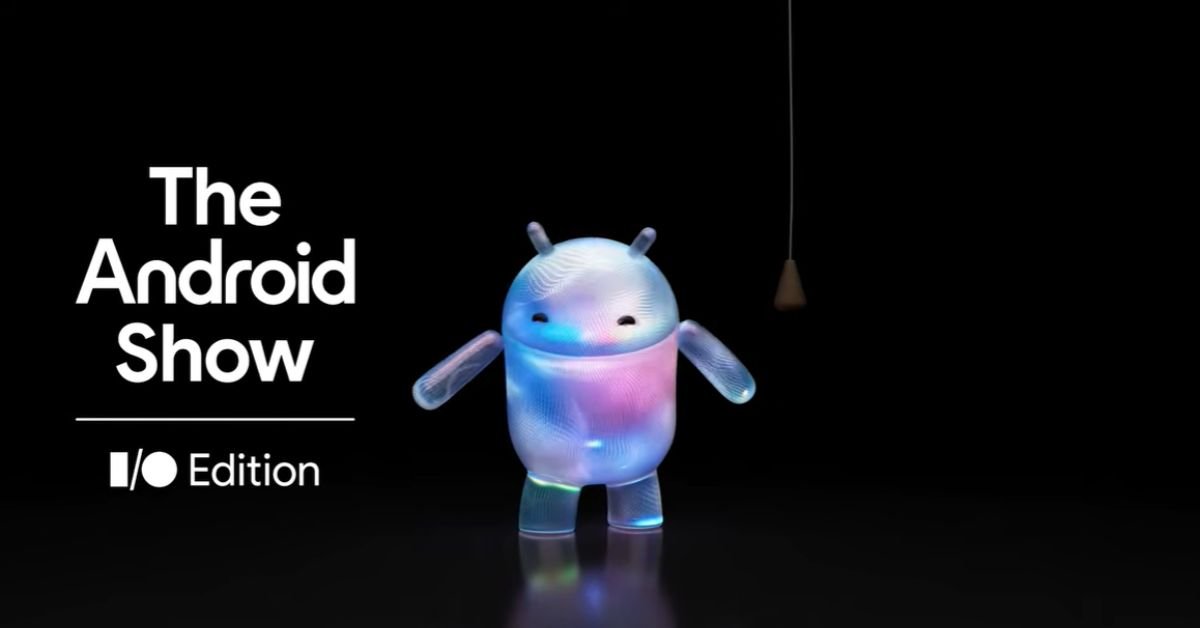
Google used its Android Show: I/O Edition 2026 event to unveil a sweeping set of artificial intelligence, software, and hardware updates designed to reshape the Android ecosystem.
The event centered heavily around Gemini Intelligence, Google’s evolving AI system that the company says will power a more proactive and personalized user experience across phones, laptops, cars, watches, and smart devices.
Executives positioned the updates as part of a broader shift toward ambient computing, where devices anticipate user needs, automate repetitive tasks, and integrate AI deeply into daily workflows.
Alongside major Android 17 updates, Google also introduced Googlebook, a new laptop category built around Gemini Intelligence, signaling the company’s ambition to unify Android and ChromeOS into a more AI-centric computing platform.
The showcase demonstrated how Google is increasingly embedding generative AI into nearly every layer of its consumer ecosystem as competition intensifies against companies such as Apple, Microsoft, OpenAI, and Samsung.
Google Says Android’s Ecosystem Continues to Scale Rapidly
Opening the keynote, Sameer Samat, President of the Android Ecosystem, highlighted the scale of Android’s global communication infrastructure.
According to Google, users now send approximately 2.5 billion Rich Communication Services (RCS) messages daily.
The company also revealed that cross-platform group chats have increased by 116%, reflecting broader adoption of modern messaging standards intended to replace traditional SMS communication.
Google has aggressively promoted RCS as a more advanced messaging standard capable of supporting higher-quality media sharing, encryption, typing indicators, and enhanced interoperability.
The growth figures underscore Android’s continued dominance as the world’s largest mobile operating system ecosystem.
However, the company’s strategy at this year’s Android event extended beyond smartphones.
Google increasingly framed Android not as a mobile operating system alone but as the foundation for a broader AI-powered ecosystem spanning multiple device categories.
Gemini Intelligence Becomes the Core of Android’s AI Strategy
A major focus of the event was Gemini Intelligence, the company’s latest effort to integrate generative AI more deeply into Android devices.
Mandy Brooks, Vice President for Product Management and User Experience on the Android Platform, described Gemini Intelligence as a seamless AI layer operating across phones, wearables, vehicles, and future smart devices.
According to Google, Gemini Intelligence is designed to proactively assist users throughout the day while still allowing individuals to maintain control over their information and interactions.
During demonstrations, Google showcased how Gemini could handle multi-step tasks automatically.
One example involved extracting information from a university course syllabus and automatically generating a shopping cart containing required textbooks.
The demonstrations reflected Google’s broader vision for AI assistants capable of moving beyond simple chatbot interactions into task execution and workflow automation.
Google also confirmed that Gemini Intelligence features are expanding to upcoming flagship devices, including the Samsung Galaxy S26 and Pixel 10 lineup.
The partnership highlights how Google is positioning Gemini not merely as a standalone AI product but as foundational infrastructure for premium Android experiences.
Android Introduces More Personalized and Intelligent Features
Google also introduced several new personalization and productivity tools powered by AI.
Dieter Bohn, Director of Product Operations, detailed how Android devices will increasingly automate repetitive digital tasks.
One of the most notable updates involves intelligent form filling.
The system can now securely pull information from emails or photos, such as passport details, and automatically populate forms with minimal user interaction.
Google says the feature is intended to reduce friction in common digital processes like registrations, bookings, and online applications.
Another major addition is Rambler, a new capability integrated into Gboard.
The feature converts fragmented or informal speech into polished text, effectively acting as a conversational writing assistant embedded directly within the keyboard.
The update reflects the growing trend of AI-powered communication tools designed to improve productivity and reduce typing effort.
Google also showcased a Generative User Interface system that allows users to create customized widgets through natural language prompts.
The feature, called “Create My Widget,” enables users to generate personalized interfaces tailored to specific needs, such as meal planning, fitness tracking, or task management.
Rather than relying on static app designs, Google appears to be moving toward more adaptive interfaces that can dynamically organize information around individual user preferences.
Android 17 Focuses on Creators, Cameras, and Visual Upgrades
Google used the event to unveil key updates coming with Android 17.
The company emphasized creator-focused improvements, particularly around video and social media optimization.
One of the most significant announcements was a collaboration with Meta aimed at improving Instagram performance on flagship Android devices.
Google claimed that side-by-side testing now shows Android flagship video quality matching or outperforming leading competitors.
The partnership signals Google’s continued efforts to address long-standing criticism around Android app optimization compared to Apple’s ecosystem.
Android 17 also introduces several AI-enhanced creative tools.
A new feature called Smart Enhance automatically improves captured media, while Screen Reactions adds dynamic visual interactions during recordings and livestreams.
Google additionally unveiled Sound Separation, which can isolate and remove unwanted background noise such as wind interference from audio recordings.
The feature could become particularly valuable for content creators, vloggers, journalists, and mobile video users.
Another update focused on visual communication.
Google revealed that nearly 4,000 emoji have been redesigned to improve expressiveness and visual clarity.
The redesign reflects how digital communication continues evolving toward richer and more personalized interactions.
Google Pushes Digital Well-Being Features Further
Digital well-being also emerged as a central theme during the presentation.
Google introduced a new feature called Pause Point, designed to reduce compulsive app usage.
The tool introduces a ten-second delay before opening selected distracting applications, encouraging users to engage more intentionally with their devices rather than reflexively opening apps.
The update reflects growing concerns within the technology industry around screen addiction, attention fatigue, and unhealthy digital consumption patterns.
Several major technology companies have increasingly integrated well-being features into their operating systems as regulators and researchers scrutinize the psychological impact of excessive device usage.
Google also announced improvements aimed at users switching from Apple devices.
The updated iOS-to-Android migration system allows wireless transfer of data from iPhones to Android devices more seamlessly.
The company appears focused on reducing barriers for users considering switching ecosystems.
Android Expands Cross-Platform Connectivity
Connectivity improvements were another major focus.
Google announced enhanced compatibility for Quick Share functionality through WhatsApp, enabling Android users to share files more effectively with iPhone users.
The update aims to reduce friction when transferring high-quality media between devices operating on different ecosystems.
Cross-platform compatibility has become increasingly important as messaging, media sharing, and collaboration tools continue evolving.
Google’s broader interoperability push reflects competitive pressure to make Android devices more flexible in mixed-device environments.
The improvements may also help strengthen Android’s appeal among younger users and creators who frequently exchange media across platforms.
Android Auto Receives Its Biggest Update in Years
Google also introduced major upgrades to Android Auto.
Guemmy Kim, Senior Director for Android for Cars, described the new Google Maps experience as one of the platform’s biggest navigation updates in more than a decade.
The redesigned interface introduces 3D map visuals, advanced live lane guidance, and deeper integration with vehicle hardware.
The system can now leverage front-facing vehicle cameras to improve navigation assistance and driving context.
Android Auto also gains support for dashboard widgets and premium entertainment features.
Users will be able to stream high-definition 60fps video while parked, expanding Android Auto’s role beyond navigation into a broader in-car entertainment platform.
Gemini Intelligence is also being integrated directly into vehicles.
Google demonstrated how drivers could ask contextual questions about dashboard warning symbols or even request information about vehicle dimensions using natural conversation.
The update reinforces how automotive software is becoming an increasingly important battleground for technology companies.
Googlebook Signals a New AI Laptop Strategy
One of the event’s biggest surprises was the introduction of Googlebook, a new laptop category designed around Gemini Intelligence.
Google described Googlebook as a hybrid computing platform that combines elements of Android and ChromeOS into a unified AI-focused experience.
Alexander Kuscher, Senior Director for Laptops and Tablets, said the devices were built specifically to integrate Gemini-powered workflows directly into everyday computing.
A standout feature is Magic Pointer, an AI-assisted cursor experience.
When users wiggle the cursor, contextual suggestions and AI actions appear automatically.