|
Getting your Trinity Audio player ready...
|
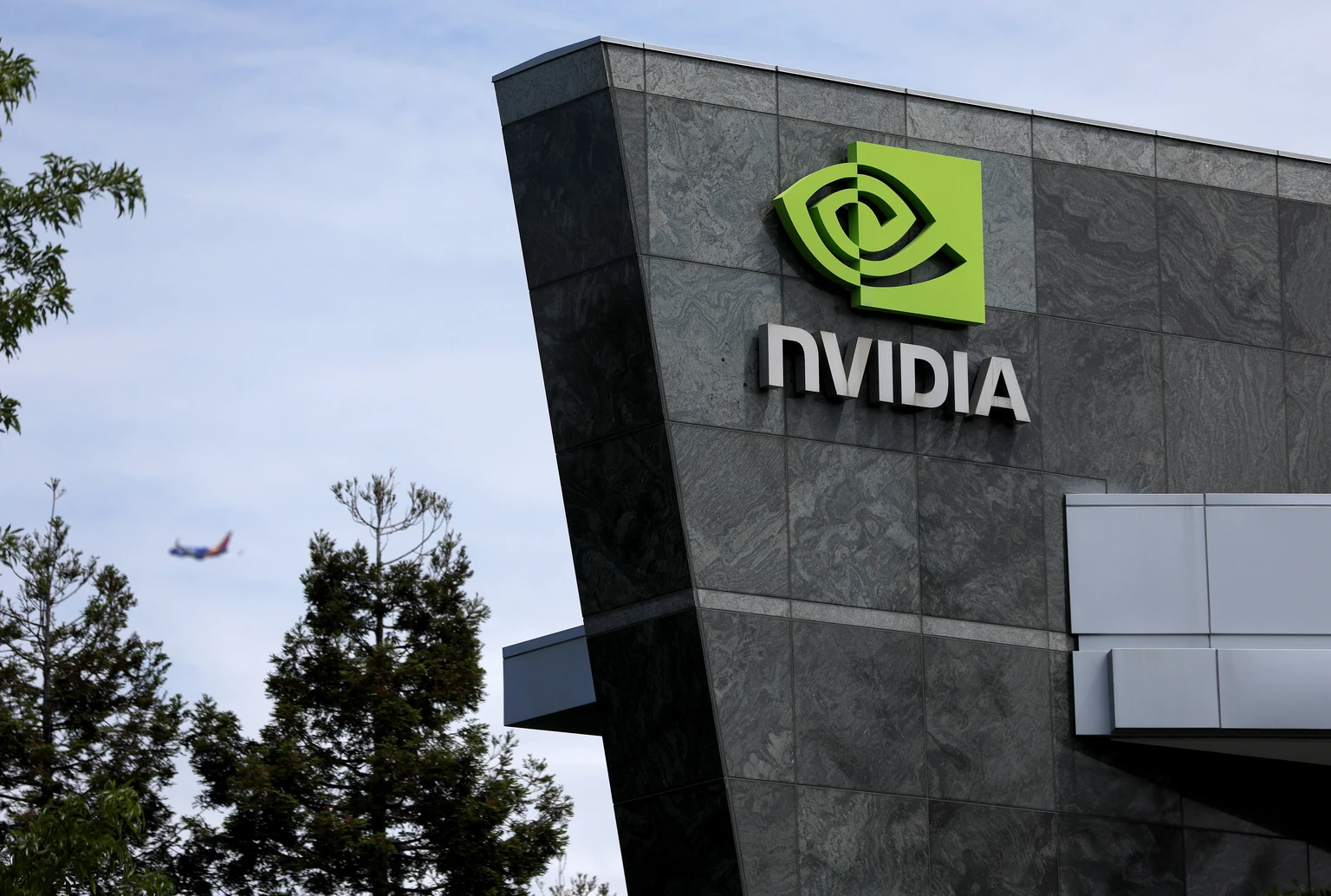
Shares of the construction services company Maas Group fell about 30 percent on Thursday after reports that Firmus, the Nvidia-backed AI data centre operator in which it holds a 3.2 percent stake, may shrink its roughly US$5 billion initial public offering and lower its price. One of the biggest stock market debuts in Australian history has become a test of how much investors are still willing to pay for artificial intelligence infrastructure. The final terms were still being settled on Thursday, according to a person familiar with the matter cited by Reuters, so the size and pricing of the deal may yet change.
The central number is the offer price. Firmus and its advisers were weighing a cut from A$11 a share to A$8.25, according to local media reports, a reduction of 25 percent. At A$11, the Australian Financial Review calculated that Firmus would have been valued at about A$43.9 billion, while Bloomberg put the implied valuation at A$43.7 billion, or about $30.4 billion. A fall to A$8.25 would take billions of dollars off that figure. One report on the revised numbers put the implied valuation near A$33 billion and the amount to be raised at A$5.9 billion, down from A$7.9 billion, though those details come from a single outlet and had not been confirmed by the company.
The reason for the concern is visible in how the bookbuild ended. Bookbuilding is the stage when investors tell the banks running a sale how many shares they would buy and at what price. Bloomberg reported that Firmus closed its bookbuild on Thursday after worries grew that the offering could be pulled, which put a planned multibillion-dollar listing in doubt. Reuters said potential investors were told in a term sheet that the joint bookrunners would provide further information about the offer. A company that is confident of demand does not normally leave buyers waiting for the price, so the silence itself became part of the story.
Maas Group’s drop shows how exposed small shareholders are to such a stumble. Reuters said a cut in Firmus’s price to A$9 from A$11 would reduce the value of Maas’s holding by about A$75 million, and the market reacted by selling Maas shares heavily. The fall illustrates a common feature of large listings: a stake in an unlisted company can look very valuable on paper, and when a public offering suggests a lower price, the stock of the shareholder is marked down as well.
Firmus itself is a young company with a fast-changing story. It began in 2019 as a Bitcoin mining operation in Australia, according to Bloomberg, and has since turned toward building what it calls AI factories, which are high-density data centres designed to train and run AI models. It belongs to a group of companies often called neoclouds, which build and operate specialized computing capacity for AI customers. Firmus has pipeline projects in Australia and Singapore and has secured $2 billion in commitments from investors including Nvidia and Blackstone, with Jane Street among its existing shareholders. Proceeds were meant to buy GPUs for its first data centre in Batam, Indonesia, being developed with DayOne Data Centers under an eight-year partnership with Nvidia.
The financial picture helps explain investor caution. A report summarizing the draft prospectus said Firmus forecasts a US$77 million after-tax loss for the first half of fiscal 2027, while projecting that its developed data centres would generate about US$5 billion in combined annual earnings within five years. That kind of gap between current losses and promised profits is not unusual for infrastructure builders, but it asks public investors to pay today for capacity that has not yet been built. ABC News quoted an analyst who said 97 percent of the capacity Firmus had promised had not been built, a claim that underlines how much of the valuation rests on future delivery.
There were also setbacks to the business in the weeks before the offering. Australian media reported this week that the data centre firm CDC, half-owned by Infratil, and Firmus had terminated their AI data centre rollout partnership, known as Project Southgate, which ABC described as a partnership worth $73 billion. ABC also pointed to community backlash against proposed suburban data centres as a source of concern. Losing a major partner days before a listing is a difficult message to deliver to buyers, and it likely weighed on demand.
The wider market mood has turned sharply cautious. Reuters noted that sentiment toward AI has shifted in recent weeks, with worries about high valuations broadening into fears that the technology is slipping out of human control and that massive technology spending may never pay off. Matt Goodson, managing director at Salt Funds, told the AFR that rising bond yields have put the AI and data centre sector under pressure. That is consistent with other data: the 10-year US Treasury yield recently climbed to 5.35 percent, a multidecade high until last week, which makes long-dated, capital-hungry projects harder to justify. Companies that must borrow heavily to build tend to feel higher rates first.
It is worth contrasting this with the good news elsewhere in the AI supply chain. This week Samsung guided a record quarterly operating profit of about $80 billion on AI memory demand, and SpaceX was reported to be seeking $40 billion in debt to buy Nvidia chips. Chipmakers that sell the components of the boom are earning very large profits today, while the builders who must finance, construct and operate data centres face the harder task of proving that customers will pay enough to cover the cost. Firmus sits in the second group, which is why its IPO is being read as a signal for others.
The deal’s scale makes it important beyond Australia. Dealogic data cited in coverage of the draft terms would make the offering the second-largest IPO in Australian history, behind Telstra’s US$10 billion listing in 1997. Reports had suggested the company might raise as much as US$7 billion at a valuation above US$50 billion, and an earlier summary pointed to a possible value of up to US$60 billion. The gap between those aspirations and the current prices under discussion shows how quickly expectations have moved. If the deal prices at a lower level, it could become a reference point for other AI infrastructure companies planning to list.
What happens next depends on the final decision. Firmus could still price at a lower level, reduce the size of the offering, delay it or withdraw it, and the company has not published the revised terms in the coverage reviewed. Investors should watch the formal announcement of the price and allocation, the trading debut on the Australian Securities Exchange if it proceeds, and any statement on how the lower proceeds will affect its build plans. ABC News has a detailed account of the troubled float in its report on the offering.
Readers who follow global technology, markets and business can find more coverage at BusinessTech Nigeria. For now, the lesson from Sydney is straightforward: investors are still keen on AI, but they are asking harder questions about who will pay for it and when.