|
Getting your Trinity Audio player ready...
|
In November 2006, a PC gamer who wanted the fastest graphics card on sale could walk away with Nvidia’s GeForce 8800 GTX for $599. In October 2026, the fastest consumer card Nvidia sells, the GeForce RTX 5090, costs somewhere between roughly $4,300 and $5,000 in the United States, depending on the model and the retailer. That is about eight times the old flagship’s launch price on the shelf tag alone, and a very different story once you adjust for inflation, performance and the odd forces now shaping the chip market.
Start with the 2006 side. The 8800 GTX launched at $599 with 768MB of GDDR3 memory and a 576MHz core clock, according to a price comparison published by TechRadar. It was the card that pushed PC gaming into the era of detailed 1080p graphics, roughly on par with what consoles such as the Xbox 360 were delivering at the time. TechRadar’s inflation adjustment put its launch price at about $916 in the dollars of the time that analysis was written, a useful reminder that $599 in 2006 was a real expense for most buyers, not a bargain. Flagship cards in that period tended to sit in a band of a few hundred dollars, and a high-end GPU was within reach of a dedicated hobbyist.
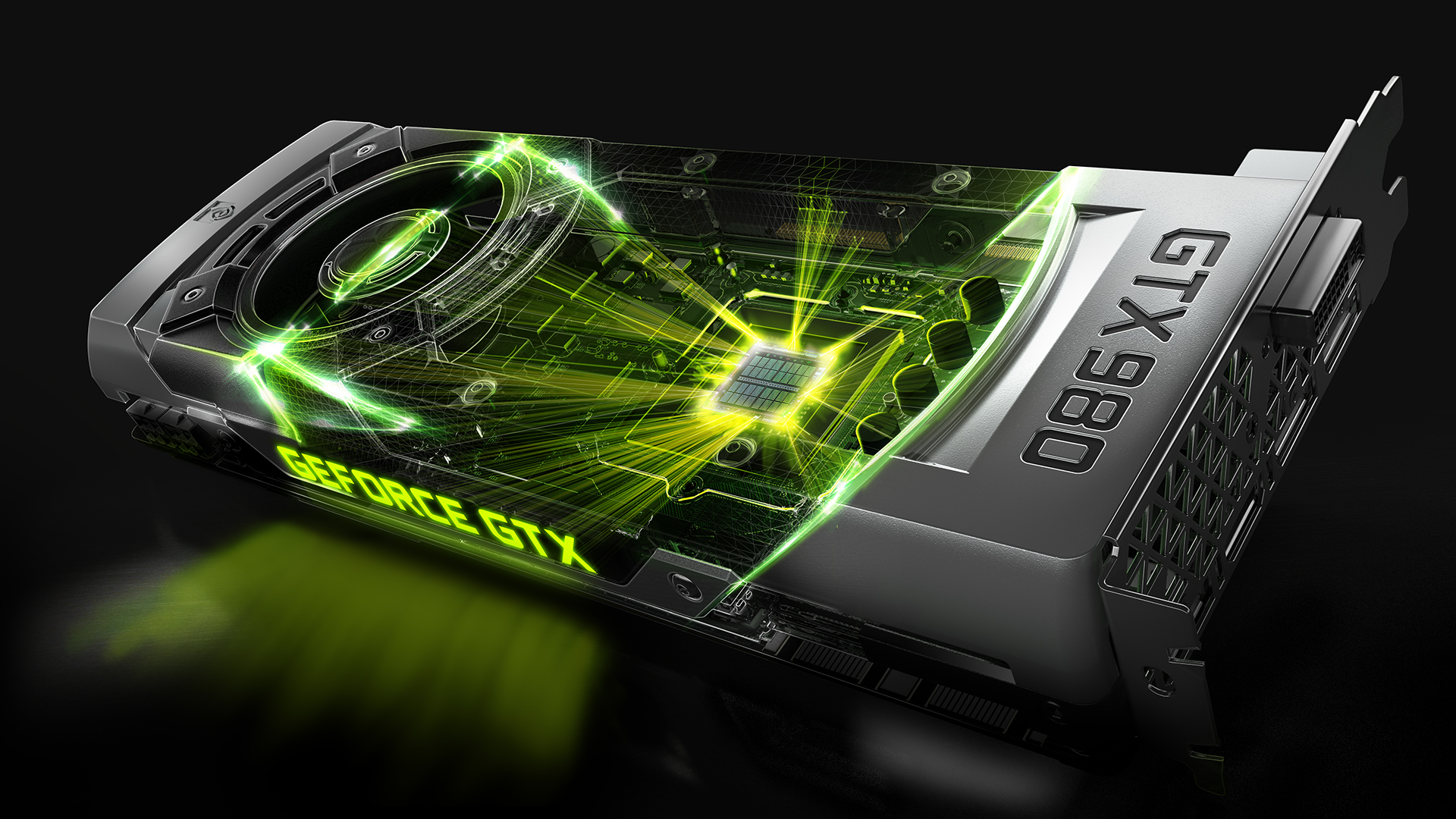
Fast-forward through the next two decades and the pattern was gradual, not dramatic. The same TechRadar table lists the GTX 980 at $549 in 2014, the GTX 1080 at $599 in 2016, the RTX 3080 at $699 in 2020 and the RTX 4080 at $1,199 in 2022. Adjusted for inflation, the GTX 1080 came to about $770, and the RTX 4070 Ti, which launched at $799 in 2023, was effectively cheaper than the 8800 GTX once inflation was included, while delivering nearly double the performance in demanding games of its era. For years, in other words, the argument that graphics cards had become unaffordable did not hold up well against the data. Prices at the very top crept upward, but the performance you received for each dollar improved considerably.
The RTX 5090 broke that pattern from the start. Nvidia launched it in January 2025 at a suggested price of $1,999, more than three times the 8800 GTX’s launch price in nominal terms. It is aimed at enthusiasts, content creators and people who run AI models locally, and it uses 32GB of GDDR7 memory, which one price tracker describes as the most supply-constrained consumer memory type available. Even in the healthier market of late 2025, the card typically sold for around $2,500, according to ThePCEnthusiast. That already put real-world prices about a quarter above the sticker.
Then 2026 happened. The price tracker Pangoly shows an average U.S. price of $4,897 for the RTX 5090 in October 2026, about 7 percent above its 90-day average of $4,571 and 3 percent higher than 30 days ago. TechJournal, citing Tom’s Hardware price data from August 5, reported that an Asus ROG Astral RTX 5090 was listed on Nvidia’s own store at $4,929.99 before tax, after a $500 increase applied in early August. Tech Insider, relying on retail data from BigGo Finance, put the card above $5,000 by September. Depending on who is counting, that means a premium of roughly 120 to 150 percent over Nvidia’s original $1,999 MSRP. Prices differ by region too, and a report on South Korea cited a street price near $5,100.
The cheaper cards have not escaped. ThePCEnthusiast found that the RTX 5070 Ti and RTX 5080 have climbed above $1,000, with some high-end RTX 5080 models crossing $2,000. Tech Insider noted that an Asus RTX 5080 that sold for $1,199 has jumped to $1,595 at Amazon. AMD has been affected as well, with the company confirming a price increase of at least 10 percent on its Radeon line effective in August, according to TechJournal. The 2026 move is not limited to one product or one brand, which is why buyers are noticing it across the market.
The cause is memory, and it is tied directly to the AI boom. Tech Insider reports that DRAM prices rose by 90 to 95 percent in a single quarter in early 2026, although TrendForce’s more conservative estimate was an increase of about 50 to 55 percent in the first quarter compared with the previous one. Either way, the pattern is clear: AI data centres are absorbing enormous amounts of memory, and graphics cards use some of the same chips. This week, Samsung guided to a record operating profit of about $80 billion for the third quarter on AI memory demand, a number that shows just how much money is flowing to memory makers while consumers pay more at retail. Gamers are competing for components with the same industry that Nvidia’s data centre business serves.
Compare that with the last big GPU shortage. Tech Insider’s comparison with the 2021 crypto mining boom notes that component prices then rose by up to 70 percent and street prices reached two and a half to four times MSRP at the worst point. The 2026 episode looks different because it is driven by memory costs and demand from AI, not by miners buying cards. That matters for the outlook. A mining downturn can end a shortage quickly, as it did in 2022, while AI infrastructure spending has so far kept growing. Tech Insider also reported that Nvidia has delayed its next RTX 60 series until 2028, though that comes from a single outlet and Nvidia has not confirmed it in the material reviewed. Nvidia, for its part, still holds roughly 90 percent of GPU shipments, according to the same coverage.
So what is the fair comparison between 2006 and 2026? On sticker price alone, a $599 flagship against a $4,900 one makes the new card look absurdly expensive. On a like-for-like basis, the better comparison is Nvidia’s own suggested price, $599 in 2006 against $1,999 in 2025, which is a rise of more than threefold in nominal terms and roughly double after inflation, based on TechRadar’s adjusted figure of about $916 for the 8800 GTX. And the RTX 5090 is not really the same kind of product. It is a halo card with 32GB of memory aimed partly at professionals and AI hobbyists, while many gamers now buy mid-range models. For a typical buyer, the more useful comparison is a card around $600 to $800, and even those have drifted upward in 2026.
For anyone shopping now, the advice from the coverage is cautious. Some forecasts suggest that GPU prices will not ease before late 2027, and one report said relief could be pushed to 2028, so waiting for a sale may mean a long wait. If you need a card, consider mid-range models where the price rises have been smaller, check Nvidia’s own store at Nvidia for official pricing, and be wary of inflated third-party listings. TechRadar’s comparison of GPU prices over time is a useful reference point for how value looked before the shortage.
Readers who follow gadgets, chips and business stories can find more coverage at BusinessTech Nigeria. The headline lesson is that for nearly two decades graphics cards got faster without getting much more expensive in real terms, and 2026 is the year that streak ended.