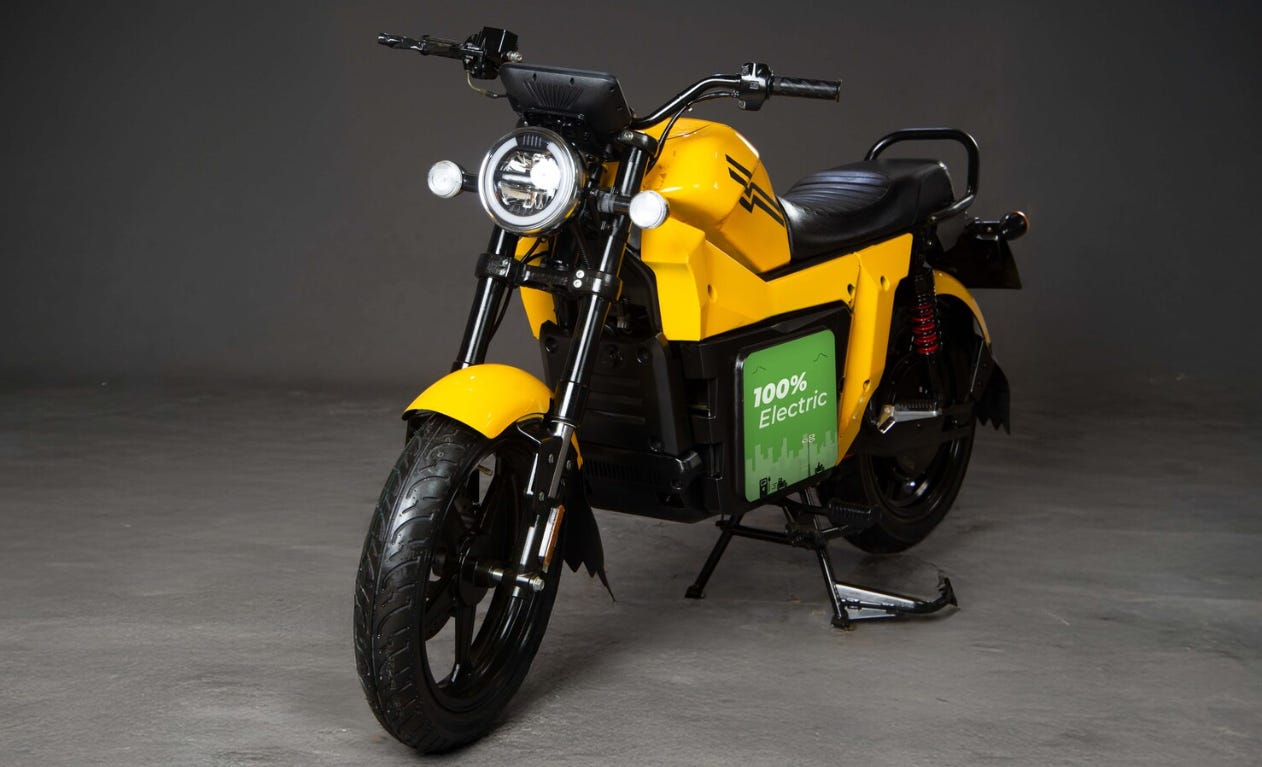
MAX Expands Series B3 to $29 Million With Nithio: 20 Cities, 350,000 Battery Swaps, and a 250,000-Driver Target
What Did MAX Announce?
MAX, a Lagos-founded electric mobility company, expanded its Series B3 funding round to $29 million with a new investment from Nithio. Africa Investor Review and TechBuild Africa reported the deal on October 14, 2026. Nithio did not disclose the size of its investment.
MAX, formally Metro Africa Xpress Inc., says the capital will support electric vehicle financing, battery swapping, and clean mobility services across West and Central Africa. The company started in 2015 as a motorcycle delivery business and moved into ride-hailing, vehicle financing, and electric two- and three-wheelers.
Who Is Nithio?
Nithio is a US climate fintech that finances clean energy businesses and uses data and AI to assess borrowers. Its method targets markets where conventional credit records are thin. MAX is its entry into electric transport equipment financing at the operator level.
Nithio has prior exposure to the sector. In February 2026 it extended a $7 million debt facility to Spiro, a Kenyan electric motorcycle company, as part of a $50 million debt round that also involved Afreximbank and the Africa Go Green Fund. Spiro is also one of MAX’s vehicle suppliers.
How Is the $29 Million Round Assembled?
The round combines an earlier 2026 raise, a British International Investment (BII) commitment, and Nithio’s undisclosed amount. The table lists each reported piece. The sources do not give a full allocation, so the pieces should not be added together.
| Component | Reported amount | Timing | Detail |
|---|---|---|---|
| Earlier equity and debt round | $24 million | Announced January 2026 | Investors included Equitane DMCC, Novastar Ventures, Triple Jump, Endeavor Catalyst, and the Energy Entrepreneurs Growth Fund |
| BII investment | $5 million | Second close of Series B3 (date not stated) | Covers Nigeria, Ghana, and Cameroon |
| Nithio | Not disclosed | October 2026 | Extends the round to $29 million |
BII states that its capital helps MAX finalise Series B3 and expand electric two-wheeler adoption among low-income riders.
How Does MAX Make Money?
MAX earns revenue through a daily subscription programme called MAX Champions, which lets riders use electric vehicles without paying the full price upfront. Riders pay a daily fee. MAX also runs vehicle partnerships, battery infrastructure, digital payments, and fleet management.
BII describes the same model as rent-to-own financing for gig-economy riders, bundled with maintenance and battery services.
What Do MAX’s Operating Numbers Show?
MAX reports profitability in Nigeria since January 2026, with more than $56 million deployed in fleet financing and $44 million recovered in repayments. These figures come from company statements carried by TechBuild Africa. The sources reviewed do not include audited accounts.
| Metric | Reported figure | Source note |
|---|---|---|
| Cities of operation | 20 across Nigeria, Ghana, and Cameroon | Company data via TechBuild Africa |
| Further markets planned | 9 more African markets | Company data via TechBuild Africa |
| Fleet financing deployed | More than $56 million | Company-reported |
| Repayments recovered | $44 million | Company-reported |
| Operators served | More than 60,000 | TechBuild Africa; BII cites over 50,000 |
| Battery swaps facilitated | More than 350,000 | Company-reported |
| Assembly capacity, Ibadan | 3,600 vehicles per month | Reported capacity |
| Solar generation | 1 megawatt-peak | Company-reported |
| Emissions avoided | About 238,000 tonnes of greenhouse gases | Company estimate |
The operator count differs between BII (over 50,000) and TechBuild Africa (over 60,000). The gap likely reflects different reporting dates, though neither source says so.
Why Do Fuel Prices Matter to This Model?
Petrol prices rose sharply after Nigeria removed its fuel subsidy in May 2023, which raised running costs for commercial riders. Petrol sold for less than ₦200 per litre before the change. By October 2026, Abuja prices reached about ₦1,405 to ₦1,409 per litre, and Lagos prices ranged from ₦1,350 to ₦1,400, according to TechBuild Africa. BII says fuel prices rose more than fourfold since 2023.
Industry estimates cited in the report put fuel at 40% to 60% of a commercial rider’s daily earnings. MAX says its electric vehicles and solar-powered swapping cut combined energy and maintenance costs by more than 40% against petrol alternatives at current prices. It also says its solar hubs deliver electricity at a levelised cost 50% below the Band A grid tariff. These are company claims.
Which Partners Supply Vehicles and Batteries?
MAX works with at least four named hardware and network partners.
- Spiro: Its supply has helped MAX reach nearly 7,000 electric motorcycles under a planned first phase of 10,000 units.
- NOVR: The battery technology is designed for more than 150 kilometres of range per charge.
- Kofa: The Ghana battery-swapping operator hosts MAX in that market.
- TailG: The electric vehicle maker supplies vehicles in Ghana.
MAX also places solar-powered swap cabinets at filling stations. Several vehicle and battery platforms can complicate servicing and maintenance, a trade-off TechBuild Africa notes.
What Infrastructure and Policy Limits Apply?
Weak grid supply and scarce public charging are the main limits on electric transport in Nigeria. Reuters, as cited by TechBuild Africa, reported about 48 public EV charging stations in Nigeria by late 2025, mainly in Lagos and Abuja, against more than 500 in South Africa. The national grid supplies roughly 4,000 megawatts to a population above 200 million. Electric vehicles make up less than 1% of Nigeria’s vehicle fleet.
Policy has moved in the sector’s favour. The government exempted EVs from value-added tax in 2024 and cut the import duty from 5% to zero in 2026. It also approved tax waivers for nearly 4,000 electric vehicles in the first half of 2026, per the same report.
What Targets Has MAX Set?
MAX targets 250,000 supported drivers and more than $150 million in annual recurring revenue by 2027. BII’s own investment page describes a goal of up to 100,000 electric two-wheelers and more than 1,000 battery swap stations. Reaching either target requires a larger fleet, more swap sites, and steady repayment rates.
What Details Remain Undisclosed?
Four details are missing from the coverage reviewed.
- Nithio’s investment amount and structure.
- The split between equity and debt in the $29 million total.
- Audited financial statements behind the profitability claim.
- Timelines for the nine planned market entries.
What Is a Series B3 Round?
A Series B3 is a later tranche within a Series B funding round, following earlier closes such as B1 and B2. Companies use sub-rounds to bring in investors in stages under similar terms.
Is MAX Profitable?
MAX says it reached profitability in Nigeria in January 2026. The statement is company-reported, and the sources reviewed do not publish group-wide results across Ghana and Cameroon.
Does the $29 Million Round Settle MAX’s Funding Needs?
The round funds the next stage of expansion, and results will depend on repayment rates, power costs, and swap-network utilisation. MAX’s own targets for 2027 are several times its current footprint. Nithio’s entry adds a climate-finance investor to a cap table that already includes development finance and venture backers. The measurable tests ahead are profitability outside Nigeria, driver repayment rates at larger scale, and whether swap stations stay within reach of daily rider routes. Those figures will show whether the economics that MAX reports in Lagos hold in new cities.