|
Getting your Trinity Audio player ready...
|
Running a company with 160 years of history means inheriting habits as well as brands. Philipp Navratil took over Nestlé in September 2025 after more than two decades inside the company, and he has since shared one lesson that shaped how he manages people: give honest feedback, even when it feels uncomfortable. His recent comments on the subject have drawn as much attention as his strategy. This biography covers his education, career and the leadership style behind his rise.
Who Is Philipp Navratil?
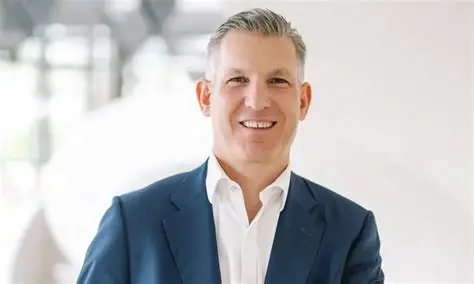
Philipp Navratil is the Chief Executive Officer of Nestlé S.A., the Swiss food and beverage group behind Nespresso, Nescafé, KitKat and many other household brands. He is the company’s youngest chief executive in almost six decades. He has spent his whole career at Nestlé, and he speaks fluent Spanish, a skill that served him in Latin America and in his working relationship with the company’s chairman, Pablo Isla.
Philipp Navratil’s Education
Navratil holds a Master of Business Administration from the University of St. Gallen in Switzerland, one of Europe’s best-known business schools. He joined Nestlé straight after his studies, so his formal education leads directly into a single long career.
Starting as an Auditor
Navratil joined Nestlé in 2001 as an international auditor. Auditing is a strong training ground for future executives, because it takes a young employee into many parts of a company and shows how the numbers connect to real operations. Auditors travel, ask direct questions and learn to spot problems early, habits that later shaped his management style.
Rising Through Latin America
After his audit years, Navratil moved into commercial roles in Central America, including time in Panama and Honduras. In 2009, he became Country Manager for Nestlé Honduras, his first job running a whole national business. In 2013, he took charge of the coffee and beverage business in Mexico, one of Nestlé’s most important markets for the category.
Those years gave him two things. He learned how to run a market with its own culture, competitors and customers, and he built a record of results that later senior colleagues cited.
Coffee and Nespresso
In 2020, Navratil became Senior Vice President and Head of the Coffee Strategic Business Unit at Nestlé headquarters, which gave him responsibility for one of the company’s biggest categories. In July 2024, he became CEO of Nespresso, and on January 1, 2025, he joined Nestlé’s Executive Board as Executive Vice President.
Nespresso is a premium brand with its own manufacturing, retail and online channels, so running it gave him direct experience of the whole chain from product to customer. The board later credited him with accelerating growth there and building strong momentum.
Becoming CEO of Nestlé
In September 2025, Nestlé’s board appointed Navratil CEO with immediate effect after it dismissed Laurent Freixe for violating the company’s code of business conduct. The board chose an executive from within the company. It described him as someone with an impressive record of delivering results in challenging environments, a dynamic presence who inspires teams and leads with a collaborative, inclusive style.
He took over at a difficult moment. By early 2026, Nestlé’s share price had fallen to nearly half its 2022 peak, and the company had reported its weakest annual organic sales growth in more than 25 years as shoppers cut back. The business, valued at roughly $240 billion, needed both strategic focus and renewed energy from its people.
The Feedback Lesson
In a recent interview, Navratil explained a piece of advice that changed how he leads. Early in his management career, someone told him he needed to give honest feedback. That did not come naturally. He said it is easy to tell people they did a great job, and much harder to speak up when things go wrong.
Today, he treats feedback as one of a leader’s central responsibilities. He tries to be as direct as possible, because he has learned that people who hear vague criticism often miss the point. Clear feedback is more valuable to the person receiving it, even when it is uncomfortable.
His reasoning rests on respect. He puts it simply: “I feel that I owe it to the person.”
Direct Does Not Mean Harsh
Navratil takes care to separate directness from harshness. He gives the criticism plainly, then spends more of the conversation on how to improve. He may ask the person how he can help, or suggest a solution they can work through together.
He also follows up. Feedback conversations, he says, often strengthen personal relationships because they lead to further discussions about progress. A manager who returns to a difficult topic shows that he cares about the outcome and the person.
What Gets People Promoted
Navratil also described the traits he sees in employees who earn promotion. The first is curiosity, a willingness to keep learning. The second is drive, the determination to improve things rather than merely do the job as it stands. The third is humility. He warns that arrogance can derail a promising career, and he applies the same standard to himself. He says Nestlé’s youngest employees teach him the value of learning constantly.
An employee with the right skills but little motivation, he suggests, has a weaker chance than someone eager to make a difference. The advice fits his own record, since he rose through audit, country management and brand leadership.
Why Philipp Navratil Is Trending Now
His comments on feedback appeared in recent interviews and spread widely this month. Readers search his name to understand how the leader of a global food giant manages people and what his approach means for their own workplaces.
What His Journey Teaches
Three lessons stand out. First, honest feedback is a form of respect. Navratil says he owes it to the people he leads, and clear criticism lets them improve. Second, directness works best when it comes with help. He pairs criticism with a discussion of solutions and a follow-up. Third, a long career inside one company can prepare a leader for a crisis. Two decades of auditing, running markets and leading brands gave him the knowledge to step into the top job quickly.