|
Getting your Trinity Audio player ready...
|
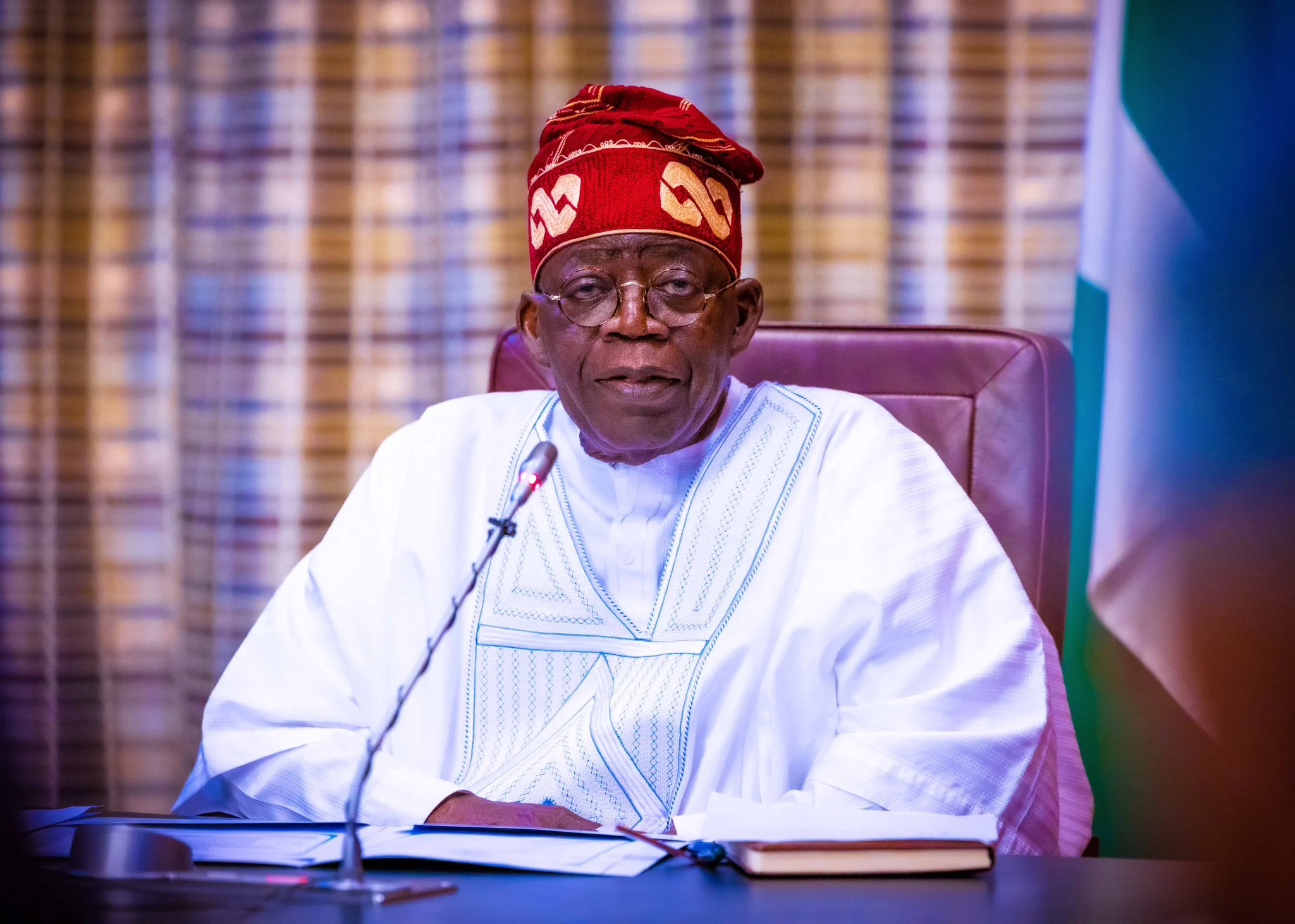
President Bola Tinubu has shut the door on bringing back the petrol subsidy, borrowing a biblical image to make the point and turning a policy fight into an election-season line in the sand. Speaking in Abuja on Monday evening to members of the City Boy Movement, a youth group set up to campaign for his administration, Tinubu said Nigeria would not reverse the reform he announced at his inauguration on May 29, 2023. The remarks, reported by Channels Television and other outlets, came a week after his government unveiled a 30-day discount on petrol at NNPC stations that opponents called a subsidy in disguise.
The president’s argument was blunt. “I came, and I removed the subsidy on my first day. Nigeria would have gone bankrupt; there was nothing left to pay for subsidies,” he said, according to Channels. He added that he was aware his political opponents were promising to bring it back. Then came the image that has dominated coverage: when Moses left Egypt, the Red Sea parted and gave way, he said, and you cannot ask Moses to go back to Egypt. He told the group that with their energy and support the country would never go back to Egypt, a framing that casts subsidy removal as a difficult crossing that cannot be undone.
The event, billed “An Evening with the Original City Boy,” was also a campaign gathering. The president was impressed by the movement’s presentation on how it would deliver more than 10 million votes for him in the 2027 election, according to a report carried by Parrot Nigeria. That context matters because the subsidy has become one of the sharpest dividing lines in the campaign. Former Vice President Atiku Abubakar, the presidential candidate of the African Democratic Congress, said in August that he would restore the petrol subsidy if elected, according to Mangrove Pen’s report, and other opposition figures have criticized the reform for the hardship it caused. AllAfrica’s account quoted Tinubu mocking the promises, with opponents offering figures such as ₦700, ₦500 and ₦300 a litre and, he joked, eventually free fuel.
The government’s economic case was reinforced by Finance Minister Taiwo Oyedele, who, according to the same allAfrica report, warned that restoring the subsidy would devastate the economy and hurt Nigerians. His reasoning, as reported, was that investment would leave, the naira would crash and the subsidy meant to lower fuel prices would end up raising them, with the exchange rate heading toward levels such as ₦3,000 or ₦4,000 to the dollar. That is a projection and a political argument, not a forecast from an independent source. Oyedele said earlier this month that returning pump prices to pre-reform levels could cost more than ₦20 trillion a year, as Legit reported. The figures are his ministry’s and have not been independently audited in the coverage reviewed.
The minister also rejected the claim that the recent NNPC discount is a subsidy. According to allAfrica, he argued that a genuine subsidy would require the government to pay from the treasury while selling petrol below its market price, which is not what is happening when NNPC Retail forgoes its own profit margin and sells at cost. The Centre for the Promotion of Private Enterprise made a similar point in a headline noted by The Will, saying the NNPC discount does not reverse subsidy removal. Critics see the distinction as thin. The Nigeria Democratic Congress and the Obidient Movement called the discount tokenism, and the Nigeria Labour Congress said it was inadequate and asked for pump prices below ₦1,000.
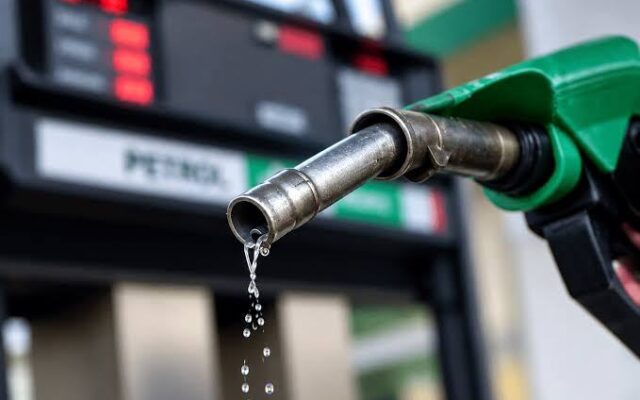
On the pump, the picture remains mixed. As reported last week, NNPC stations in Abuja were selling petrol at about ₦1,405 per litre, with the NNPC Fuel App offering a ₦66 per litre discount that brings the effective price to ₦1,339, and prices varied by city. Brent crude closed at $109.86 on Friday, its highest settlement since May, according to Reuters-based reports, which keeps upward pressure on fuel costs. The federal government has also waived taxes and duties on petrol worth more than ₦3.3 trillion for the year to September 30, according to the finance minister. Those measures, together with the margin waiver, trim the pump price but cannot offset a rise in the underlying cost of petrol.
The subsidy debate is not only about politics. Defenders of the reform point to improved government finances and reserves. The World Bank said this month that state governments’ revenues rose 93 percent in real terms between 2023 and 2025, partly due to subsidy removal and exchange-rate reforms, and Central Bank Governor Olayemi Cardoso said net foreign reserves reached $46 billion. Those numbers support the argument that the reform freed up money. Critics respond that households and small businesses have borne the cost through higher transport, food and energy prices, and that the gains in public finances have not reached them. The World Bank also noted that states have put more of their windfall into infrastructure than into education, which opponents cite when asking where the savings went.
Tinubu’s remarks also offer clues about the policy road ahead. Oyedele told the same briefing that the government is not ruling out fuel taxes in the future but would only consider them when economic conditions and household incomes could accommodate the additional burden, according to allAfrica. That is a notable signal, since it suggests that the government sees petrol as a possible revenue source once the shock of the past three years has eased. For the moment, he said, the focus is on cushioning measures such as the NNPC discount, a proposed ceiling on petrol landing costs of ₦1,350 per litre, cheaper compressed natural gas and support for transport operators.
What happens next depends on several variables. Global oil prices, which have been the biggest driver of local pump prices this year, could rise or fall with developments in the Middle East and Russia. The exchange rate matters as well, since petrol is priced in dollars at the margin. And the politics will intensify as the 2027 election approaches, with the subsidy likely to remain a central issue. The 30-day NNPC discount is due to end in early November, and the government will have to decide whether to extend it, which would test the line between margin relief and subsidy that ministers have drawn.
For voters and businesses, the practical takeaway is that the policy direction is now explicit: the president says there will be no return to the old regime, while the opposition says it will bring it back. Anyone weighing the claims should look at the costs on both sides. A subsidy lowers pump prices but draws on public money that could fund other priorities, and removal raises prices but leaves more room in the budget. Which trade-off is better depends on how the extra revenue is used, and that is the question both camps will be asked as the campaign unfolds. Statements from the presidency are published on the State House website, and Channels Television has the full report in its coverage of the City Boy Movement meeting.
Readers who follow Nigeria’s economy, energy and business stories can find more coverage at BusinessTech Nigeria. With a promise from one side to end the subsidy for good and a promise from the other to restore it, voters will soon have a rare choice on a policy that touches almost every household.