|
Getting your Trinity Audio player ready...
|
Dollar to Naira exchange rate today, August 31, 2026: official and black market rates
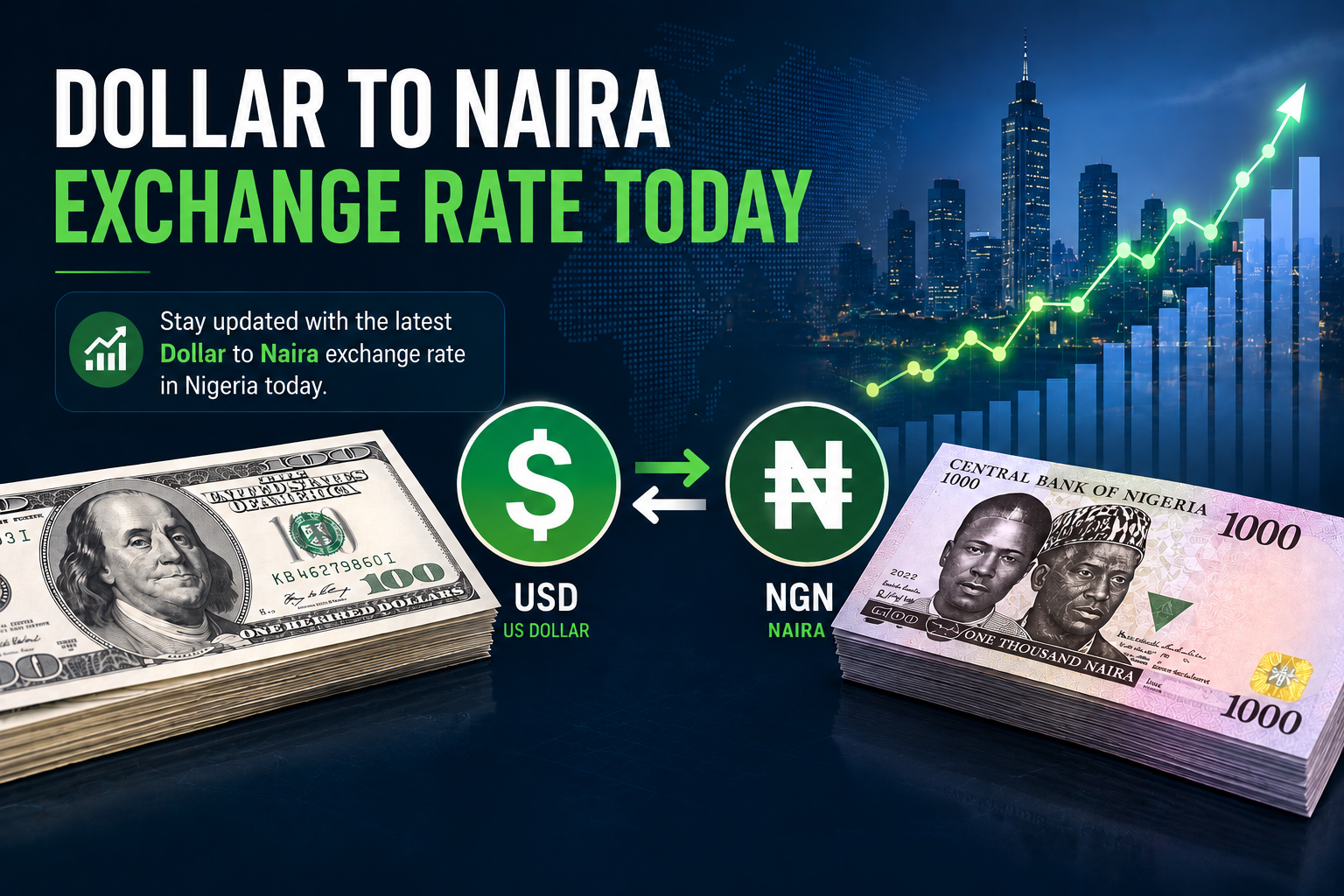
The Nigerian naira is trading with continued stability against the United States dollar on Thursday, August 31, 2026, extending a run of relatively calm sessions across both the official and parallel foreign exchange markets. The latest available data from the Nigerian Foreign Exchange Market, the official window through which the Central Bank of Nigeria tracks currency trading, put the dollar at around ₦1,346 per unit, keeping the naira close to levels it has held for much of the past week.
The official NFEM rate, which the Central Bank of Nigeria calculates as a volume-weighted average of transactions executed within the formal market, closed at approximately ₦1,346.90 per dollar in the most recently confirmed session. That figure has barely moved over the past several trading days, with the naira hovering in a tight band around the ₦1,346 to ₦1,347 mark since the middle of last week. The consistency stands in contrast to earlier periods this year when the currency saw sharper swings tied to shifts in dollar supply and demand.
In the parallel market, commonly referred to in Nigeria as the black market or aboki rate, the dollar was quoted at roughly ₦1,400 to ₦1,410 in recent sessions, based on data tracked by Aboki Forex. That leaves a spread of somewhere between ₦50 and ₦65 above the official NFEM rate, a gap that has narrowed noticeably compared with the wider premiums Nigerians grew accustomed to in earlier years of currency volatility. For everyday transactions, that spread still matters. At the official rate, $100 converts to roughly ₦134,600, while the same $100 would fetch closer to ₦140,000 if exchanged through a Bureau de Change operator or street trader working off the parallel market rate.
The relative calm in Nigeria’s currency market this month follows a period of gradual naira appreciation in the official window, which strengthened from levels above ₦1,358 in mid-August to the ₦1,343 to ₦1,346 range by the following week. AbokiFX reported the naira touching a five-month high in the official market around August 19, a move analysts linked to improved dollar liquidity in the banking system rather than any single policy announcement. That improvement has helped keep the official and parallel markets from drifting too far apart, something the central bank has been actively working toward as part of its broader push to unify Nigeria’s fragmented foreign exchange system.
Nigeria’s external reserves, which act as a buffer the central bank can draw on to support the currency and meet foreign obligations, stood at approximately $52.66 billion as of mid-August, according to figures cited in recent market reporting. That reserve position has given the Central Bank of Nigeria more room to manage liquidity in the official market without resorting to the kind of aggressive interventions that characterized earlier phases of the naira’s decline. Analysts tracking the currency have pointed to steady inflows from crude oil exports, remittances from Nigerians abroad, and portfolio investment as the main forces keeping the exchange rate relatively anchored in recent weeks.
Still, the gap between the official and black market rates hasn’t disappeared, and it reflects a structural reality that has shaped Nigeria’s currency market for years. Not everyone who needs dollars can access them through a bank or licensed Bureau de Change at the official rate, particularly for purposes like school fees paid to institutions abroad, medical travel, or the kind of smaller-scale import transactions that don’t always clear through formal banking channels. Those needs push demand into the parallel market, where rates are set purely by what buyers are willing to pay and what sellers are willing to accept, without the central bank’s influence shaping the price directly.
For businesses and individuals planning transactions today, the practical takeaway is that the rate actually available will depend heavily on the channel used. A bank transfer processed through the official market will track close to the NFEM benchmark, while cash exchanged through a street trader in Lagos, Abuja, or other commercial hubs will run higher, in line with the parallel market quote. Rates can also shift during the trading day itself as liquidity conditions change, meaning the figures published each morning represent a snapshot rather than a fixed price that holds from open to close.
The Central Bank of Nigeria has continued to emphasize that the NFEM rate reflects actual market transactions rather than an administratively set peg, a shift from the multiple-exchange-rate system Nigeria operated under for years before reforms aimed at unifying the market. That transition has been credited with narrowing the historic gap between official and black market pricing, even if a premium persists. Market watchers will be looking for the naira to hold its current range heading into the final days of August, with attention likely to turn toward how oil revenue and remittance flows perform heading into the final quarter of the year.
For now, Nigerians converting dollars today can expect to see the naira trading close to ₦1,346 to ₦1,347 in the official market and somewhere in the ₦1,400 to ₦1,410 band on the street, figures that traders and financial platforms including the Central Bank of Nigeria’s own published data will continue to update as the trading session progresses.