|
Getting your Trinity Audio player ready...
|
Tech Stocks Extend Their Rebound as Oil’s Climb Back Above $100 and Rising Bond Yields Keep the Broader Market in Check
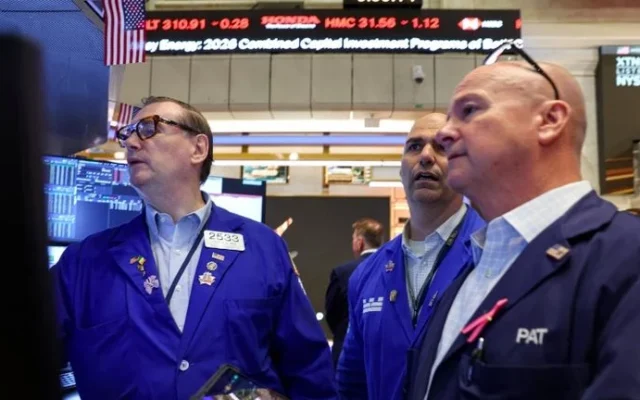
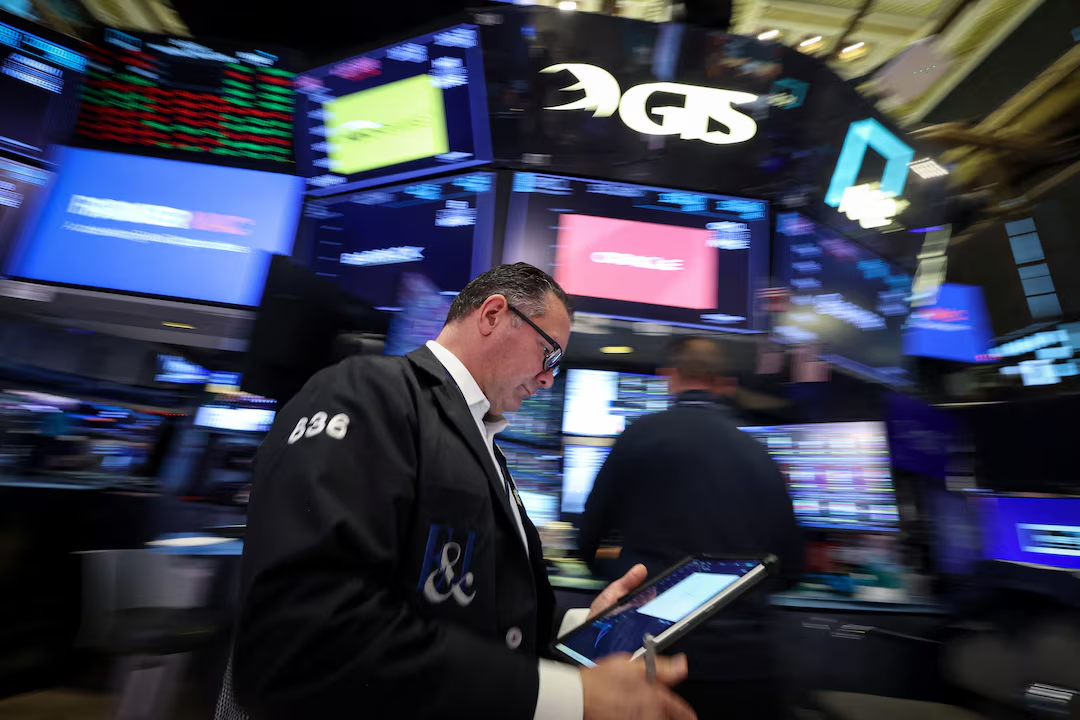
Technology shares pushed higher again Tuesday, riding a fresh wave of enthusiasm around artificial intelligence, even as the rest of the market found itself stuck in place once crude oil climbed back above $100 a barrel and government bond yields resumed their upward march. It’s a split that’s become increasingly familiar to investors over the past week: AI names racing ahead on their own momentum while everything tied to energy costs and borrowing rates drags in the opposite direction.
Tuesday’s action followed a genuinely strong session on Wall Street a day earlier, when the Nasdaq Composite jumped roughly 2 percent to close at a fresh record, its best single day in weeks. That Monday surge traced directly back to Meta Platforms, whose Muse AI assistant has turned into a bona fide viral hit in the roughly two weeks since it launched. Meta’s stock rocketed more than 11 percent Monday, its steepest one-day climb since April 2024, and the move did more than just pad Meta’s own market value. It reignited broader confidence in AI-linked stocks generally, at a moment when the sector badly needed some good news. Just a week earlier, blunt warnings from several AI company leaders about the pace and risk of the technology’s development had spooked investors enough to trigger a sharp, global selloff across AI-adjacent shares.
The chip sector rode that renewed optimism especially hard. Intel jumped 12 percent Monday, while Advanced Micro Devices climbed roughly 10 percent and, in the process, crossed the $1 trillion market capitalization threshold for the first time, closing at a record $613.31 a share. AMD’s stock is now up close to 185 percent for the year, a run investors are attributing to the company’s growing footprint in AI-scale computing hardware, not just its traditional processor business, as it works to carve out a bigger slice of a market Nvidia has dominated. AMD has also been picking up ground in server chips specifically, an area Intel has historically controlled. Qualcomm and Arm Holdings both rallied strongly too, rounding out a broad-based lift across semiconductor stocks that carried into Tuesday’s session in Europe, where chipmakers were again among the few reliable gainers even as the wider STOXX 600 index slipped slightly.
Crypto markets caught some of the same risk-on energy. Bitcoin pushed to its highest level in more than seven months, briefly touching above $85,000 before settling a bit lower, a rally helped along by regulatory developments in Washington. The Securities and Exchange Commission opened a temporary pathway last week allowing trading platforms to offer tokenized versions of stocks, and the Commodity Futures Trading Commission separately floated a set of proposed crypto market rules for White House review. Coinbase, Circle and Strategy all moved higher on the back of that news, even though a broader crypto regulatory bill, the Clarity Act, failed to advance through the Senate just days before.
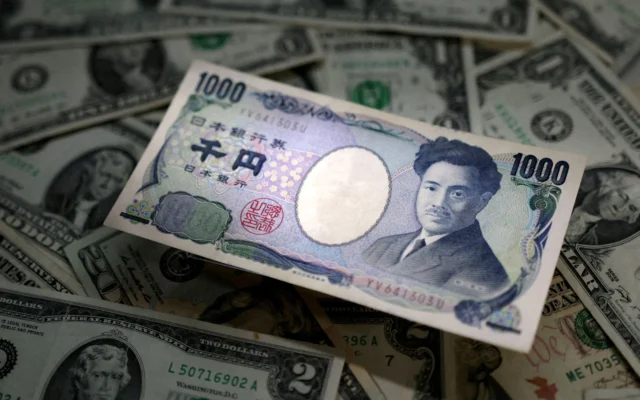
What’s capping the broader market’s enthusiasm is a combination the same investors have been wrestling with for weeks now: oil and bond yields. Crude briefly slid to an 11-day low Monday on reports that more supply was leaving the Persian Gulf than previously understood, alongside cautious optimism around progress in Middle East diplomacy, only to reverse course and climb back above the $100 mark by Tuesday. That kind of whipsaw reflects just how unsettled energy markets remain, with ongoing tension between the US and Iran, sanctions squeezing Russian output, and Ukrainian strikes on Russian refineries all still weighing on global supply expectations. Treasury yields have moved in step with that volatility, briefly easing alongside Monday’s dip in oil before climbing back Tuesday as energy costs firmed up again.
Behind all of it sits the Federal Reserve, which raised interest rates last week for the first time in three years, an unmistakable signal that policymakers still see inflation as a live threat rather than a problem that’s been solved. Chicago Fed President Austan Goolsbee reinforced that message publicly, saying there’s no real ambiguity left about the need for tighter policy, pointing to inflationary pressure that’s increasingly being driven by strong underlying demand rather than just tariffs or energy costs alone. Traders are currently pricing in roughly a coin-flip’s chance, around 53 percent according to CME’s FedWatch tool, of another rate hike at the Fed’s next meeting, and a string of central bank officials are scheduled to speak publicly this week, giving markets plenty of fresh commentary to parse for hints about where policy heads next.
Valuation-wise, the S&P 500 actually enters this stretch from a lower starting point than it held earlier in the year. The index closed out last week trading at under 19 times expected earnings, its cheapest forward multiple since 2023, according to data from LSEG. A meaningful share of the market’s projected earnings growth is now coming directly from AI-related companies, which helps explain why renewed confidence in AI spending specifically has been enough to lift the broader index even while energy costs and interest rate uncertainty continue pulling in the opposite direction.
Elsewhere, South Korea’s export data offered another data point supporting the AI investment narrative, with shipments for the first twenty days of September hitting a record high on the back of surging global demand for semiconductors. Taken together, the picture emerging this week is one of a market genuinely torn between two competing stories: renewed conviction that AI spending has real staying power, and mounting unease over an energy and interest-rate backdrop that shows no clear sign of settling down anytime soon.