|
Getting your Trinity Audio player ready...
|
IEA Chief Says Member States Stand Ready to Discuss More Oil Reserve Releases if Needed
As oil prices climb back toward levels not seen since the spring, the head of the International Energy Agency has reiterated that its 32 member countries remain prepared to discuss another coordinated release of strategic reserves, even though no such action is currently on the table.
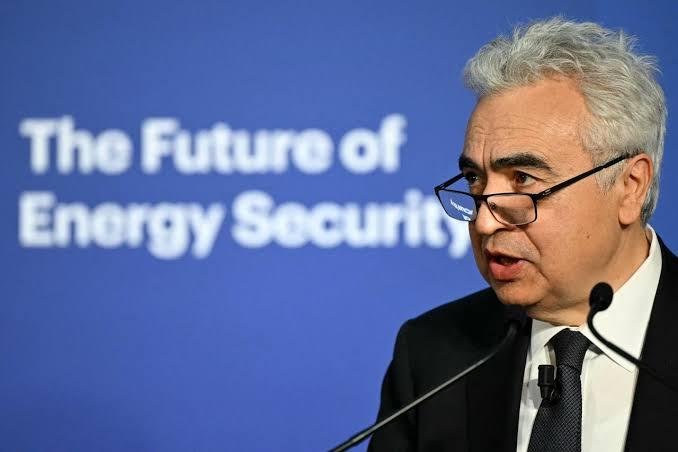
IEA Executive Director Fatih Birol has said repeatedly through this year’s Iran-linked energy crisis that the agency stands ready to act if conditions demand it, while stressing that member governments would need to consult and assess market conditions before any new release goes ahead. Speaking on the sidelines of an energy conference in Norway in August, Birol told Reuters the IEA was not discussing a second release at that time, saying plainly it wasn’t necessary for the time being. He noted the agency still holds about 80 percent of its strategic reserves following the record drawdown it carried out in March, and that it continues watching markets very closely.
That March release remains the reference point for everything since. On March 11, the IEA’s member countries unanimously agreed to release 400 million barrels of oil from emergency stockpiles, the largest coordinated drawdown in the agency’s history, after the outbreak of the US-Israeli war with Iran disrupted tanker traffic through the Strait of Hormuz and damaged oil and gas infrastructure across the Middle East. The figure was later revised up to 426 million barrels. IEA members collectively hold more than 1.2 billion barrels of public emergency stocks, with a further 600 million barrels held by industry under government obligation, giving the agency substantial capacity to draw on if it chooses to.
Birol has been consistent in describing what a reserve release can and cannot accomplish. Speaking at an Atlantic Council event in April, he said a stock release helps comfort markets but is not itself a solution, calling it a way of reducing the pain in the economy rather than fixing the underlying supply shortfall. He has pointed to the scale of physical damage behind that shortfall repeatedly, noting that more than 80 oil and gas facilities, including refineries, terminals and pipelines across the Middle East, have been damaged since the war began, with more than a third of those facilities severely affected. IEA analysts have estimated it could take up to two years to restore Middle Eastern output to pre-war levels.
The agency has also been careful not to tie any future release to a specific price trigger. Birol told Australia’s National Press Club in Canberra earlier this year that there’s no set crude price level that would automatically prompt another drawdown, saying the IEA would instead look at conditions, analyze markets and discuss with member countries before deciding. That consultative process is deliberate. Any additional release counts as what Birol has called an important decision requiring time to coordinate across 32 member governments with different storage levels, energy needs and political considerations.
The renewed relevance of Birol’s readiness comments comes as oil prices have pushed higher again this week. Brent crude climbed as much as 3 percent to above $107 a barrel on Monday after President Donald Trump rejected an Iranian proposal to reopen the Strait of Hormuz, with talks between the two countries set to continue without any clear resolution in sight. That price level sits well above where crude traded when Birol made his most recent public comments on reserve releases, and it revives the same question the IEA has faced repeatedly over the past several months: at what point does sustained pressure on prices and fuel supplies tip the agency from watching the market to actually recommending another coordinated drawdown.
Diesel and jet fuel have been a particular focus of Birol’s warnings throughout the crisis, since refining capacity losses have hit those fuels harder than crude itself. He said as far back as April that the main challenge was already showing up in Asia and would likely spread to Europe within weeks, a warning that has largely played out as diesel prices have since climbed to record levels in several markets. That dynamic matters for any future reserve decision, since a release of crude oil does little to address a shortage of refined products if damaged refineries can’t process it fast enough regardless of how much crude is available.
For now, the IEA’s position remains what it has been for months: no active discussion of a new release, but a standing commitment to move quickly if member countries agree it’s warranted. Given how closely tied global energy security has become to the pace of US-Iran negotiations, that readiness is likely to be tested again the moment talks show either a genuine breakthrough or a further breakdown.