|
Getting your Trinity Audio player ready...
|
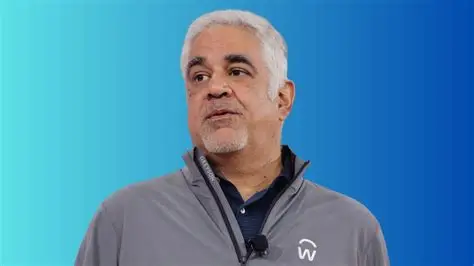
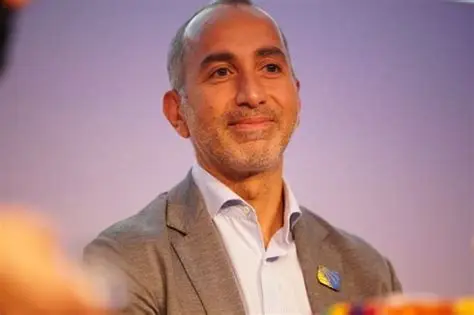
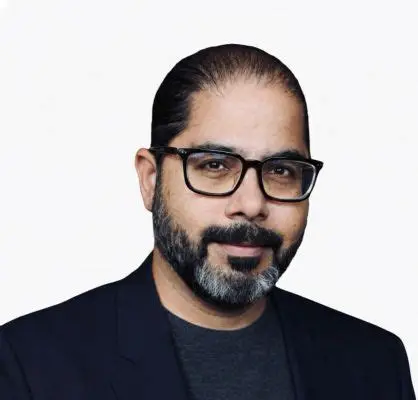
Aneel Bhusri is an American technology entrepreneur and business executive best known as the co-founder and chief executive officer of Workday. He established the company in 2005 with fellow enterprise software entrepreneur Dave Duffield. Their goal was to build business software that placed people at the centre of workplace management. Two decades later, Workday serves thousands of organisations with technology for human resources, finance and artificial intelligence.
Bhusri returned as Workday’s CEO in February 2026 after serving as executive chair. His comeback came as enterprise software companies faced growing pressure to adapt to artificial intelligence. His experience building Workday from a startup into a major software company makes him a central figure in that transition. His career also reflects the growing importance of cloud-based business applications and software designed around employee and customer needs.
Who Is Aneel Bhusri?
Aneel Bhusri is a technology entrepreneur, investor and corporate executive. He co-founded Workday and has held several leadership positions there, including president, co-CEO, CEO and executive chair. He currently serves as the company’s CEO and chair of the board.
Workday develops cloud-based software that helps organisations manage employees, payroll, financial operations and business planning. Its products serve large companies, public institutions and other organisations that need integrated systems for managing people and money.
Bhusri helped shape Workday’s strategy around subscription-based software delivered through the cloud. This model gave customers access to business applications without relying on traditional software installations and upgrades. Workday later expanded its platform to incorporate artificial intelligence and tools that automate workplace tasks.
Before founding Workday, Bhusri spent years at PeopleSoft, another major enterprise software company. His experience there helped him understand the market and the challenges businesses face when choosing technology for critical operations.
Aneel Bhusri’s Age and Early Life
Aneel Bhusri was born in 1966 and turned 60 in 2026. He has built a career around enterprise software, business strategy and technology investment.
Although his professional achievements receive considerable attention, he keeps many details of his private life away from the public spotlight. His education and career provide the clearest account of how he developed into a leading figure in enterprise technology.
Bhusri’s path combined engineering, economics and business management. Rather than focus exclusively on software development, he moved into product strategy, marketing, corporate leadership and investment. That combination later helped him guide Workday through different stages of growth.
Aneel Bhusri’s Education
Bhusri studied electrical engineering and economics at Brown University in the United States. His education combined technical knowledge with an understanding of markets, incentives and business decisions.
He later earned a Master of Business Administration from Stanford University’s Graduate School of Business. The programme strengthened his understanding of corporate strategy, management and entrepreneurship.
His educational background helped him bridge the gap between technology and business leadership. Enterprise software requires more than technical expertise. Companies must understand how customers operate, how employees use systems and how technology investments affect business performance.
Bhusri applied these principles throughout his career. At PeopleSoft, he worked on product strategy and business development. At Workday, he helped build a company around a different approach to enterprise software delivery.
Aneel Bhusri’s Career at PeopleSoft
Bhusri joined PeopleSoft in 1993, beginning a long period in enterprise software. The company developed applications that businesses used to manage human resources, finance and other essential operations.
He held several senior positions during his time there. His responsibilities included product strategy, business development and marketing. He eventually became vice chairman of the board.
These roles gave Bhusri experience in product development and the commercial decisions that shape software companies. He also gained insight into the needs of large organisations that depend on reliable systems for everyday operations.
Bhusri left PeopleSoft in 2004. His experience in the sector helped prepare him for the next stage of his career: building a new enterprise software company with a different technical foundation and business model.
Founding Workday With Dave Duffield
Bhusri co-founded Workday with Dave Duffield in 2005. Duffield had previously co-founded PeopleSoft, giving the partnership extensive experience in enterprise applications.
The founders wanted to build a business software company that put people first. They also saw an opportunity to deliver enterprise applications through the cloud rather than rely on traditional on-premises systems.
Workday initially focused on human capital management, including systems for managing employee information and workforce processes. It later expanded into financial management, planning and related business applications.
The cloud model helped customers access software through the internet and receive regular updates. It also allowed Workday to develop a subscription-based business rather than depend mainly on large, periodic software installations.
Bhusri played a central role in the company’s development. He served as president from 2007 to 2009, then shared the CEO position with Duffield from 2009 to 2014. He became sole CEO in 2014 and held that position until 2020.
During his leadership, Workday expanded its customer base and broadened its product range. The company became a major supplier of cloud applications for human resources and finance. Its growth also established Bhusri as one of the prominent executives in enterprise software.
Aneel Bhusri’s Leadership Roles at Workday
Workday’s leadership structure changed several times as the company grew. Bhusri served as co-CEO with Duffield before becoming sole CEO in 2014. In 2020, he returned to a shared leadership arrangement with Carl Eschenbach.
Bhusri continued as co-CEO until early 2024, when Eschenbach took over as sole CEO and Bhusri became executive chair. The transition allowed the company to continue under a different operating leader while Bhusri remained involved in its long-term direction.
In February 2026, Workday announced that Bhusri would return as CEO. Eschenbach stepped down from the role and continued to support the company as a strategic adviser.
The return brought a founder with deep knowledge of Workday’s products, culture and history back into day-to-day leadership. The company identified artificial intelligence as a major priority for its next phase.
Bhusri’s role now involves guiding product development, managing growth and helping Workday compete in a changing software market. Businesses increasingly expect enterprise platforms to automate routine work, support decision-making and integrate AI into everyday operations.
Why Aneel Bhusri Returned as CEO in 2026
Bhusri’s return came during a period of rapid change in enterprise technology. Artificial intelligence is changing how companies develop software and how employees complete tasks. Traditional software providers must decide how to incorporate these tools while protecting customer trust and delivering reliable services.
Workday has positioned AI as an important part of its product strategy. Its platform supports human resources and finance, areas where organisations manage sensitive information and complex workflows. AI features can help customers analyse data, automate processes and make decisions more efficiently.
Bhusri has argued that AI represents a major transformation for the software industry. His return signals a renewed focus on innovation and the company’s long-term competitiveness.
However, Workday faces challenges beyond product development. It must meet customer expectations, manage operating costs and compete with established technology companies and newer AI-focused businesses. Its success will depend on whether it can turn AI investment into practical benefits for customers.
Bhusri’s experience as a founder gives him a detailed understanding of Workday’s business. The challenge now is to combine that institutional knowledge with the speed and flexibility required in an AI-driven market.
Aneel Bhusri’s Investments and Other Roles
Beyond his work at Workday, Bhusri has maintained connections with the technology investment community. He has been associated with Greylock Partners, a venture capital firm that invests in technology businesses. His experience as an entrepreneur gives him insight into the opportunities and challenges facing early-stage companies.
Bhusri also serves on the board of trustees at Stanford University. He has held board and advisory positions with organisations involved in technology, healthcare and community initiatives.
His broader work reflects an interest in entrepreneurship, education and the development of new businesses. These roles allow him to contribute experience gained from building and managing a major software company.
Aneel Bhusri’s Family and Personal Life
Bhusri keeps his personal life relatively private. Public information about his family, including details about his spouse and children, remains limited. His public profile focuses mainly on his work in enterprise software, investment and leadership.
He has also maintained links with educational and charitable organisations. His involvement in these institutions extends his work beyond commercial technology and into education and community support.
Aneel Bhusri’s Net Worth
Aneel Bhusri’s exact net worth can change with the value of his investments and Workday shares. A precise current figure requires up-to-date financial information, so it is best not to assign him an unsupported amount.
His long career at Workday and his position as a co-founder have given him significant exposure to the company’s growth. He has also worked in venture capital and held senior positions in enterprise software.
However, executive titles alone cannot establish personal wealth. Shareholdings, compensation, investments, taxes and other financial commitments all affect an individual’s net worth.
What Aneel Bhusri’s Career Teaches Business Leaders
Bhusri’s career shows how industry experience can help entrepreneurs identify opportunities for innovation. His time at PeopleSoft gave him a deep understanding of enterprise software before he helped establish Workday with a cloud-based approach.
His leadership also demonstrates the value of combining technical understanding with business strategy. Software companies must build useful products, understand customer needs and adapt as markets change.
His return as CEO in 2026 highlights another lesson: founders may need to re-engage when a company faces a major strategic shift. Workday’s challenge is to adapt to artificial intelligence while maintaining the reliability and trust that enterprise customers expect.
For aspiring entrepreneurs and technology executives, Bhusri’s journey offers a clear example of long-term leadership. Building a successful company requires more than a promising idea. It also demands product discipline, customer understanding and the willingness to evolve as technology changes.