|
Getting your Trinity Audio player ready...
|
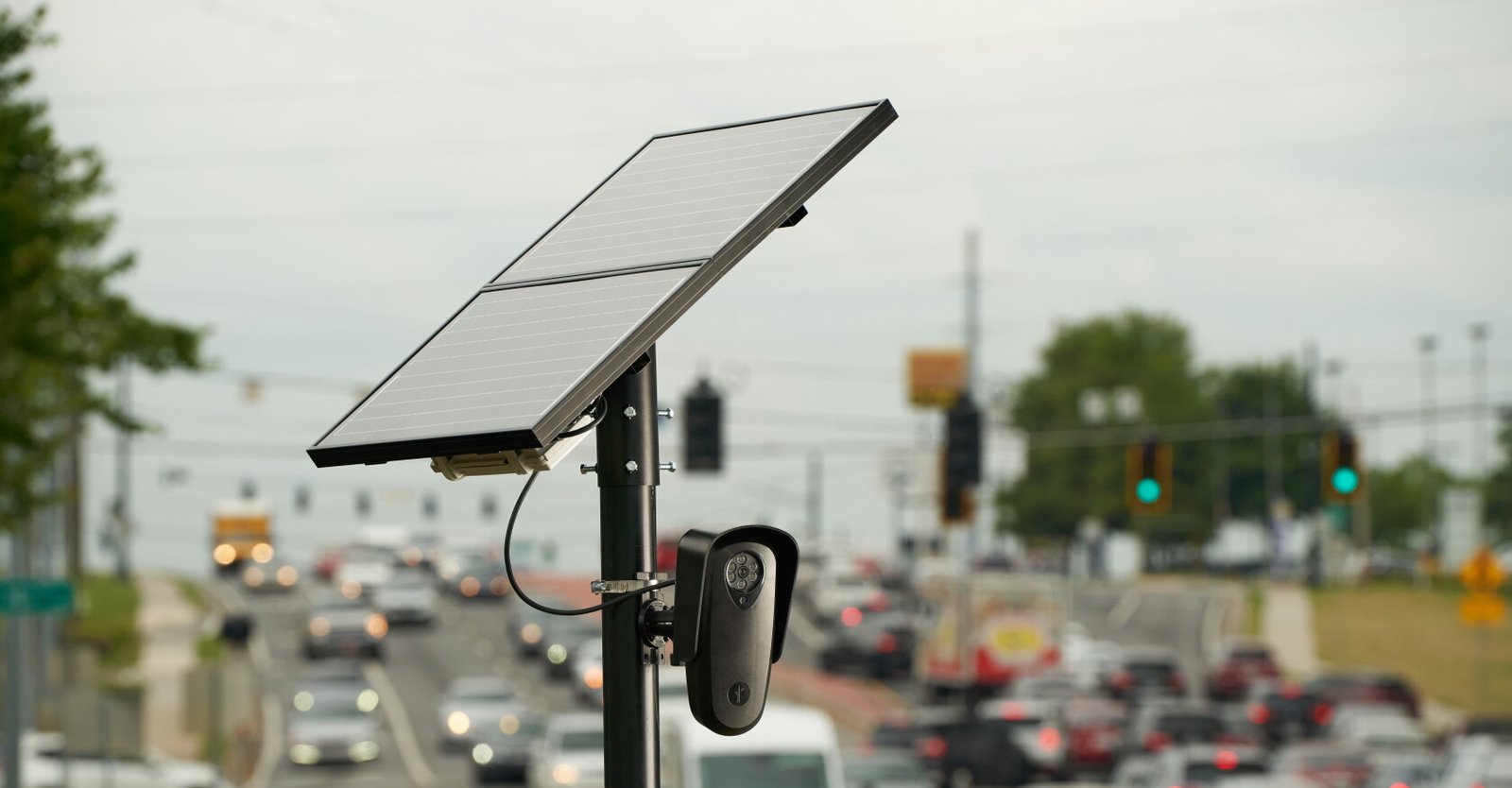
A year ago, most people had never heard of Flock Safety. The company had quietly built a business selling automated license plate reader cameras to homeowners associations and police departments, marketing itself as a simple crime-solving tool rather than anything that might draw national scrutiny. That changed dramatically over the course of 2026, and the fallout has now reached deep enough into the company that Flock is offering buyouts to its roughly 1,500 employees rather than risk losing them, or forcing layoffs, as morale inside the company continues to erode.
Flock opened a voluntary separation program on September 18, offering what internal communications described as enhanced severance to staff who choose to leave. According to reporting from Wired, the packages include cash payouts worth tens of thousands of dollars, several months of subsidized health coverage, and an extended two-year window to exercise vested stock options after departure. Employees have until October 2 to apply, with decisions expected by October 9. Management reportedly expects substantial interest and plans to approve most applications that come in, a signal that the company anticipates a meaningful chunk of its workforce wanting out.
The buyout program follows a remarkably candid admission from CEO Garrett Langley. Speaking on the All-In podcast in August, Langley said the biggest damage the backlash has caused has been to internal morale, a comment that arrived well before the formal severance offer but effectively previewed it. A person familiar with Flock’s finances told Wired that involuntary layoffs would almost certainly be necessary if too few employees opt into the voluntary program, framing the buyouts less as generosity and more as damage control aimed at avoiding a messier round of cuts later.
The scale of the backlash driving this internal crisis has escalated sharply over the past several months. The Washington Post identified 46 documented cases of police officers misusing Flock’s technology as of August, including allegations that officers used the system to track the movements of wives, girlfriends or exes, cases that struck directly at the core promise Flock had built its business around, that its cameras exist to catch criminals rather than enable personal surveillance by the people operating them. An anti-surveillance advocacy group tracking municipal contracts found that 90 cities dropped Flock in August alone, a fourfold jump from the previous month, while both Florida and Texas moved to cut ties with the company’s technology at the state level. Texas froze funding tied to an estimated 13,000 Flock cameras statewide, and Florida’s governor directed the state’s transportation department to remove the cameras from state roads outright, explicitly citing concerns about building what he called a surveillance state.
Corporate partnerships have also unraveled. Amazon’s Ring ended a planned integration with Flock earlier this year that would have let police retrieve Ring doorbell footage through Flock’s systems, a decision that came just days after a Ring Super Bowl advertisement for a separate feature drew its own backlash over surveillance concerns, adding to a climate in which any association with Flock’s brand had become a liability rather than an asset for corporate partners. Separately, an investigation by the nonprofit outlet Central Current found that license plate data collected in Syracuse, New York, had reportedly moved beyond the restrictions specified in the city’s contract with the company, a finding that fed directly into growing distrust among the municipal customers Flock depends on for its core business.
The financial backdrop makes the current turmoil even more striking. Flock raised roughly $1.2 billion in total venture funding since its 2017 founding, including a $275 million round in March 2025 at a $7.5 billion valuation and a subsequent round in April that pushed its valuation above $8 billion, with participation from major backers including Andreessen Horowitz. The company told Fortune in April that annual recurring revenue had surpassed $500 million during the first half of 2026, numbers that reflected genuine commercial momentum right up until the wave of contract cancellations began accelerating. Local governments are now canceling Flock contracts at roughly three times the rate seen over the previous five years, according to reporting from Archyde, a shift that has translated directly into revenue pressure on top of the reputational damage playing out in public.
For employees watching this unfold, the calculus described in multiple reports is fairly straightforward. Workers who joined a company they believed was building a useful public safety tool are now facing daily exposure to public criticism, watching city councils vote to cancel contracts, and in some cases seeing camera hardware vandalized or removed by activists in the communities where it was installed. Against that backdrop, a severance package offering a substantial cash cushion, continued health coverage, and extra time to cash in stock options has understandably looked appealing to a meaningful share of Flock’s roughly 1,500-person workforce, even for employees who might otherwise have stayed.
Flock, for its part, has tried to frame the buyout program as an act of respect toward its workforce rather than a crisis response. In an internal email cited by Wired, the company described the voluntary separation program as one that gives employees greater agency and treats them with transparency, respect and choice. Whether that framing holds up depends largely on how many employees actually take the offer, and whether the departures are enough to stabilize the company without the involuntary layoffs that sources close to Flock’s finances say would otherwise be almost certainly necessary.
With applications due October 2 and decisions expected a week later, the coming weeks will show whether Flock’s buyout strategy succeeds in quietly right-sizing the company around a smaller, more committed workforce, or whether it merely delays a harder reckoning with contract losses that show no clear sign of slowing. Continuing coverage of how surveillance technology controversies are reshaping the tech industry is available on Business Tech. Additional detail on Flock Safety’s technology and public statements is available through the company’s official site, and further reporting on the buyout program can be found through TechCrunch’s coverage of the story.