|
Getting your Trinity Audio player ready...
|
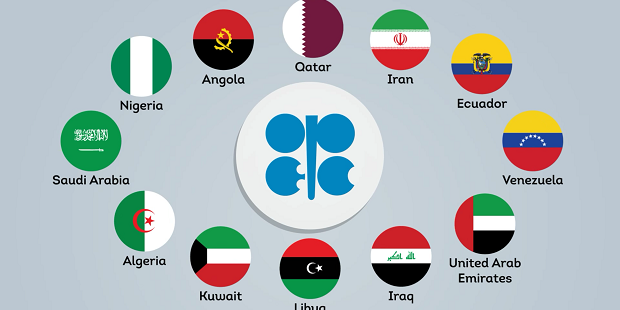
OPEC+ has decided to leave its oil production targets where they are for November, extending a pause that began last month and leaving the group with no new barrels to promise a tight market. The decision was made on Sunday, October 4, by the seven core members that still set voluntary output levels: Saudi Arabia, Russia, Iraq, Kuwait, Kazakhstan, Algeria and Oman. Their statement said they would maintain September 2026 required production for November, and the group will meet again on November 1.
The pause is notable for what it follows. According to The National, OPEC+ had raised targets gradually for six months before halting the increases in October. By September, the group had finished unwinding 1.65 million barrels per day of voluntary cuts made in 2023. A further 2 million barrels per day of cuts, agreed in 2022, remains in place until the end of the year. In practical terms, the group has run out of easy increases to announce, and its members are now waiting to see how the market and the war in the Middle East develop before committing to more.
Reuters, in a report carried by The Moscow Times, said the decision matched expectations that further adjustments were unlikely until next year. The reason is that the numbers on paper and the numbers in the field have drifted far apart. Gulf producers in the group have been pumping well below their targets because of continuing export disruptions linked to the US-Israeli war on Iran, with exports fluctuating between 60 percent and 80 percent of normal levels in recent months, according to the same report. OPEC data cited by Reuters shows the seven core members produced about 25 million barrels per day in August, up 630,000 barrels from July, yet still roughly 5 million barrels per day below prewar levels in February.
That gap explains why analysts have often described the group’s quota increases as symbolic. After the July meeting, Fabien Yip, a market analyst at IG in Sydney, told Al Jazeera that actual barrels had been constrained for months by the Strait of Hormuz blockade and had fallen well short of the quota. In that environment, raising a target does not add oil to the market unless producers can actually ship it. A pause, by contrast, signals caution and avoids announcing increases that cannot be delivered.
The current targets, as compiled by the energy data firm Enerdata from the group’s statement, are 10.5 million barrels per day for Saudi Arabia, 9.9 million for Russia, 4.4 million for Iraq, 2.7 million for Kuwait, 1.6 million for Kazakhstan, 1 million for Algeria and 0.8 million for Oman. UPI reported the group’s total target at about 31.1 million barrels per day, a figure that differs slightly from the sum of the individual numbers, so readers should treat it as approximate. Enerdata also noted that constraints on Russian oil flows continue to keep output below target, in addition to the Middle East disruptions.
The group’s membership has changed in a way that matters. CNBC reported in May that the United Arab Emirates officially left OPEC on May 1, calling it a shock departure, and the seven-member format that now makes decisions excludes the UAE’s share of output. That departure has made the outlook for 2027 harder to read. OPEC+ is currently reviewing members’ production capacity to set quotas for next year, and industry sources told Reuters that uncertainty over future production potential complicates the exercise. Quotas based on capacity matter because they determine how much each country is allowed to produce and how much market share it can claim once normal supply conditions return.
For oil prices, the decision was largely expected, so it did not produce a dramatic move. Brent has traded around $100 to $104 this week, and West Texas Intermediate has been near $90, supported by Houthi attacks on Saudi targets, Strait of Hormuz incidents and a Gulf of Mexico storm that has led Shell and Chevron to shut some offshore production. A decision to hold output steady adds nothing new to supply, and with inventories already stretched, traders have little cushion. Aramco chief executive Amin Nasser has described the global supply buffer as scarily thin, according to Reuters coverage, and OPEC+’s inability to raise real output keeps that concern alive.
There is also a policy argument underneath the headlines. OPEC+ originally began unwinding its cuts in 2025 to recover market share, with the aim of returning barrels to a market that then appeared close to a surplus. The war reversed that picture. Instead of managing an excess, the group is now managing a shortage it cannot fix, because the bottleneck is transportation and security, not production quotas. The strategic question for Saudi Arabia, Russia and others is how to prepare for a post-conflict market. If export routes reopen quickly, the group could face a surge of oil from producers eager to make up for lost sales, which is part of the reason it is keeping the 2022 cuts in place through year-end and retaining flexibility to pause or reverse.
Consumers and governments outside the group feel the effects indirectly. Higher crude prices raise fuel costs, and importers of refined products are exposed to higher import bills. Producers outside the voluntary-cut group, such as Nigeria, which is an OPEC member with its own separate quota, benefit from higher prices if they can produce and ship their allocation. Nigeria’s regulator reported crude output of about 1.5 million barrels per day in August, in line with its quota, so the country has limited room to raise output even as prices stay high. The more relevant constraints for such producers are operational, including investment, security and infrastructure, not the group’s decision this week.
What to watch next is straightforward. The next meeting on November 1 will show whether OPEC+ extends the pause into December or resumes increases, and the outcome will depend heavily on the state of the conflict and shipping through Hormuz. The capacity review will also matter, because the results will shape quotas for 2027 and could reveal how much spare production capacity the group really has. Traders will watch monthly production data from OPEC and the International Energy Agency for evidence that actual output is recovering toward target. The group’s own statements are published on the OPEC website, and a clear summary of the decision is available from The National.
Readers who follow global energy, markets and technology can find more coverage at BusinessTech Nigeria. The short version is that OPEC+ has stopped adding paper barrels, because the barrels it cannot deliver are the ones the market is most worried about.