|
Getting your Trinity Audio player ready...
|
US crude is climbing again, and the push is coming from the weather as much as from geopolitics. West Texas Intermediate (WTI) futures rose about 3.5 percent on Thursday to roughly $91 a barrel, according to Investing.com data, after sliding toward $88 the day before. The jump followed moves by Shell and Chevron to shut in offshore platforms in the Gulf of Mexico ahead of Tropical Storm Isaias, which forecasters say could strengthen into a hurricane by the end of the week. Quotes varied during the session, with some trackers showing gains closer to 4 percent, so the precise level depends on the contract and the hour.
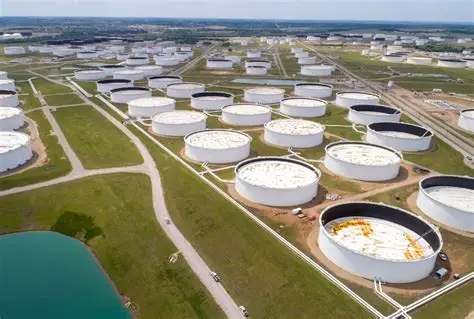
The storm matters because of where it is heading. Reuters noted that the offshore areas in its path produce about 15 percent of US crude oil and 5 percent of the country’s natural gas. The system could also affect six refineries, and refineries along the US Gulf Coast account for roughly half of the national capacity of 18.2 million barrels per day. That creates a double-edged effect that traders are still sorting out. Platform shutdowns reduce crude supply, which supports prices, while refinery outages can reduce demand for crude and tighten fuel supplies instead. Analysts quoted by Vantage Markets pointed out that this is why Brent and WTI have not moved in perfect step this week, with Brent leaning more on seaborne risk in the Middle East and WTI on US reserve releases and the storm.
Fuel inventories add to the nerves. FXEmpire reported that East Coast distillate stocks, which include diesel, were about 32 percent below their five-year seasonal average, leaving diesel supply unusually tight. The American Petroleum Institute said US crude inventories fell by 2.09 million barrels in the week ended October 2, while distillate stocks rose slightly. Another 800,000 barrels left the Strategic Petroleum Reserve in the same week, according to the API, following an announcement on September 29 of exchanges totaling 40 million barrels from the reserve. Policymakers are therefore drawing on emergency stocks even as a storm threatens to remove more supply, a combination that leaves less room for error.
The Middle East remains the backdrop. Reuters reported earlier this week that Houthi attacks on Saudi Arabia continued to threaten supply, and Brent has traded around $100 to $104. Aramco chief executive Amin Nasser has described the global supply cushion as scarily thin after the disruption around the Strait of Hormuz, according to Reuters coverage carried by Gulf Business. By his account, the world entered the crisis with almost 10 billion barrels of oil stocks, nearly 3 billion barrels of gross supply had since been lost, and more than 1 billion barrels had been drawn from stocks, mostly from onshore commercial inventories. Those are the Aramco chief’s estimates, but they illustrate why traders react so sharply to each new disruption: the buffer that normally absorbs shocks has shrunk.
That is also why the Federal Reserve is part of the oil story, though not in the way some older headlines suggest. If you have seen WTI quoted near $62 alongside expectations of a 25 basis point Fed rate cut, those figures belong to an earlier period. The Fed moved in the opposite direction on September 16, when it raised its target range by 25 basis points to 3.75 percent to 4 percent in a unanimous 12-0 vote, its first hike since 2023, according to Charles Schwab’s analysis of the decision. Fed Chair Kevin Warsh said inflation is too high and has been for too long, and the central bank’s projections showed 16 policymakers expecting at least one more hike this year. Immediately after Warsh’s press conference, the CME FedWatch tool put the odds of another hike in October at 49 percent. The Fed publishes its decisions and schedule on the Federal Reserve website, and markets will look for any change in tone at the next policy meeting later this month.
The link between interest rates and oil is indirect but real. Higher rates raise borrowing costs for businesses and households, which can slow economic growth and, over time, reduce fuel demand. Higher US rates also tend to support the dollar, and since oil is priced in dollars, a stronger dollar makes crude more expensive for buyers using other currencies. At the moment, those pressures are being outweighed by supply fears, but they help explain why rallies in oil have been hard to sustain. Yahoo Finance reported that the 10-year Treasury yield hit 5.35 percent on Wednesday, a multidecade high until last week, and that US stock indexes retreated from record highs as oil moved back toward $100. Expensive credit and expensive energy are not a comfortable pairing for the economy.
Context helps in judging whether $91 is high. Monthly data from the Federal Reserve Bank of St. Louis shows WTI averaging about $100 in April and $102 in May, then dropping to roughly $85 in June, $80 in July and $84 in August. The current price is therefore above the summer lows but below the spring peak, when the US-Iran conflict drove futures above $112. A year ago, WTI traded in the low $60s, so the market has clearly repriced for a world with higher geopolitical risk. Investing.com lists a 52-week range of about $55 to $118 for WTI futures, which captures just how wide the swings have been.
What happens next depends on a few variables that no one can forecast with confidence. The most immediate is the storm. If Isaias strengthens into a hurricane and makes landfall near major production and refining areas, shutdowns could last longer and prices might climb further. If it weakens or tracks away from the main facilities, platforms can restart quickly and the rally may fade, as one analyst noted. The second is official data. The US government’s weekly inventory report, published by the US Energy Information Administration, will show whether the API’s draw is confirmed and how distillate stocks are holding up. The third is the Middle East, where further attacks on Saudi targets or shipping would add to the premium already built into prices.
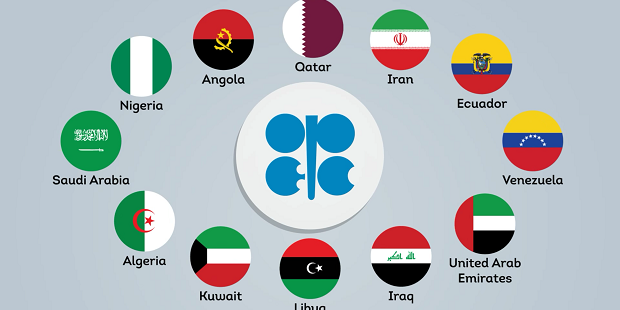
For consumers, the effects will arrive in stages. Wholesale gasoline and diesel prices usually react first, followed by pump prices and then the cost of transport and goods. Truckers, airlines and farmers are exposed, and tight diesel inventories before winter heighten the concern. For oil exporters, including Nigeria, higher prices raise potential revenue, but only if barrels are produced and shipped, and countries that import refined fuel face a larger import bill at the same time. Nigeria’s regulator reported crude and condensate output of about 1.68 million barrels a day in August, so the benefit of high prices depends on keeping that production steady.
Readers who follow business, markets and technology can find more coverage at BusinessTech Nigeria. For now, the message from the oil market is straightforward: prices are high, supplies are thin, and a storm in the Gulf of Mexico has become the latest reason for traders to pay more.