|
Getting your Trinity Audio player ready...
|
The Trump administration has told Germany and France to start drawing down their emergency diesel inventories to help bring down global fuel prices, warning that failure to do so could prompt the US to ban diesel exports altogether, according to three people close to the discussions cited by Reuters.
The pressure campaign centers on a commitment the two countries made earlier this year as part of a coordinated response to the fuel supply crunch triggered by the war between the US, Israel and Iran. Back in March, members of the International Energy Agency agreed to release 400 million barrels of oil from strategic reserves, a figure later revised up to 426 million, in the largest coordinated stockpile release in the agency’s history. The United States contributed 172 million barrels of that total, with European member countries collectively committing to supply 20 percent of the overall volume. According to the sources familiar with the current US effort, American officials believe France and Germany have fallen short of following through on that earlier commitment, and Washington has now raised the issue directly with the IEA to press for the promised releases to actually happen.
The stakes for Europe are considerable given how concentrated the continent’s emergency diesel supplies are. Germany currently holds 5.6 million tons of diesel in its strategic reserves, while France holds 8.2 million tons, together accounting for roughly 35 percent of the entire European Union’s strategic diesel stockpile. That concentration is exactly why US officials have zeroed in on these two countries specifically rather than pressuring the EU as a bloc, since releasing even a portion of those combined reserves would represent a meaningful addition to global diesel supply at a moment when refining capacity losses across the Middle East have left the fuel in particularly short supply worldwide.
EU Energy Commissioner Dan Jorgensen addressed the pressure publicly on Tuesday, saying the bloc has already discussed the possibility of additional releases, while being careful to note that any further drawdown would need to preserve enough of an emergency buffer to protect European supply security if conditions worsen further. That comment suggests Brussels isn’t dismissing Washington’s request outright, but is weighing it against its own concerns about depleting reserves too aggressively while the underlying Iran conflict remains unresolved.
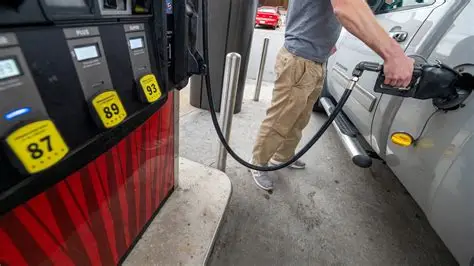
Trump himself weighed in from the Oval Office, acknowledging the tradeoffs built into any US export ban. He suggested that restricting diesel exports could help bring down diesel prices domestically, but conceded the move might end up pushing gasoline prices higher as a side effect, an acknowledgment that any policy response here involves genuine tradeoffs between different fuel markets rather than a clean fix.
Analysts have flagged a similar concern from the opposite direction, warning that a US diesel export ban carries real risk of backfiring rather than simply solving the problem. Restricting American diesel exports could push global diesel prices higher rather than lower, since American supply currently helps fill gaps in markets like Europe that are themselves running short. It could also squeeze supply for European buyers who have come to rely on US cargoes during the current shortage, while simultaneously driving up domestic US gasoline and jet fuel costs, since refiners sometimes adjust their output mix between different fuel types depending on where the strongest profit margins and export opportunities exist. In other words, a ban aimed at protecting American diesel supply could end up creating new price pressures in markets the policy wasn’t originally targeting.
Markets appear to be treating the prospect of an actual export ban as a real but still uncertain possibility. A prediction market tracking the specific question of whether the US will impose a diesel export ban by October 31 was pricing the odds at around 11.5 percent as of Wednesday, suggesting traders see this more as a pressure tactic aimed at prompting European action than a policy Washington is fully committed to following through on in the near term. Treasury Secretary Scott Bessent and Energy Secretary Chris Wright are the two officials markets are watching most closely for any formal signal on where the administration’s thinking ultimately lands.
The dispute adds another layer of friction to an energy relationship between the US and Europe that has already been under considerable strain this year. Diesel prices have climbed to record levels in several markets as the Iran conflict has damaged refining infrastructure across the Middle East, reducing the region’s ability to process crude into the specific refined fuels, like diesel, that keep trucking, farming and shipping running. With more than 80 oil and gas facilities reported damaged since the war began, and estimates suggesting it could take up to two years to fully restore pre-war refining capacity, the shortage of refined products has proven considerably more stubborn than the shortage of crude oil itself, a distinction that’s shaped nearly every policy response to the crisis so far, including this latest push aimed specifically at diesel rather than oil more broadly.
Whether France and Germany move to release additional diesel stocks in response to this pressure, or whether the standoff escalates toward an actual US export restriction, is likely to become clearer in the coming weeks as officials from Washington, Paris and Berlin continue the discussions Reuters’ sources described. For now, the episode underscores just how far the ripple effects of the Iran war have spread, pulling European strategic reserve policy directly into a dispute over refined fuel markets thousands of miles from where the conflict itself is being fought.